
How to Evaluate CNC Suppliers in China, Japan, Germany, and the United States
Choosing a CNC supplier by country is a shortcut that can distort a sourcing decision. A low quotation does not establish low delivered cost. A familiar machine brand does not establish process stability. A strong national manufacturing reputation does not establish that a particular factory can make your part consistently. For global hardware buyers, the […]
منشأ الآلة مقابل جودة القطع: ما الذي تخبرك به آلات التصنيع باستخدام الحاسب الآلي الصينية والألمانية واليابانية حقًّا
Your topic line was blank, so I based the article on the research material: Chinese vs. German/Japanese CNC machines and what they mean for part quality and sourcing decisions. Two things need your input, flagged after the article: the first-person paragraph, and some data gaps. Buyers keep asking whether a supplier runs Chinese or German/Japanese […]
موثوقية آلات التصنيع باستخدام الحاسب الآلي (CNC) حسب البلد: ما يحتاج مشترو المعدات على الصعيد العالمي إلى التحقق منه فعليًّا
If you buy CNC-machined parts internationally, you’ve heard the pitch a hundred times: “German precision,” “Japanese reliability,” “Chinese cost advantage,” “American service.” None of it tells you what you actually need to know — whether the specific machine behind your specific supplier will keep your parts flowing on schedule. Country of origin is a proxy, […]
كيفية التحقق من قدرات معدات مورد صيني لأجهزة CNC (دون الاعتماد على الكتيب الترويجي)
Every RFQ response looks the same: “50 CNC machines, 10 five-axis centers, tolerance to ±0.01 mm.” None of that tells you whether the supplier can actually hold that tolerance on your part, in your material, at your batch size. Verification isn’t about counting machines — it’s about forcing a supplier to prove a specific claim […]
توقف عن اختيار موردي خدمات التصنيع باستخدام الحاسب الآلي (CNC) بناءً على بلد المنشأ — اخترهم بناءً على درجة المخاطر
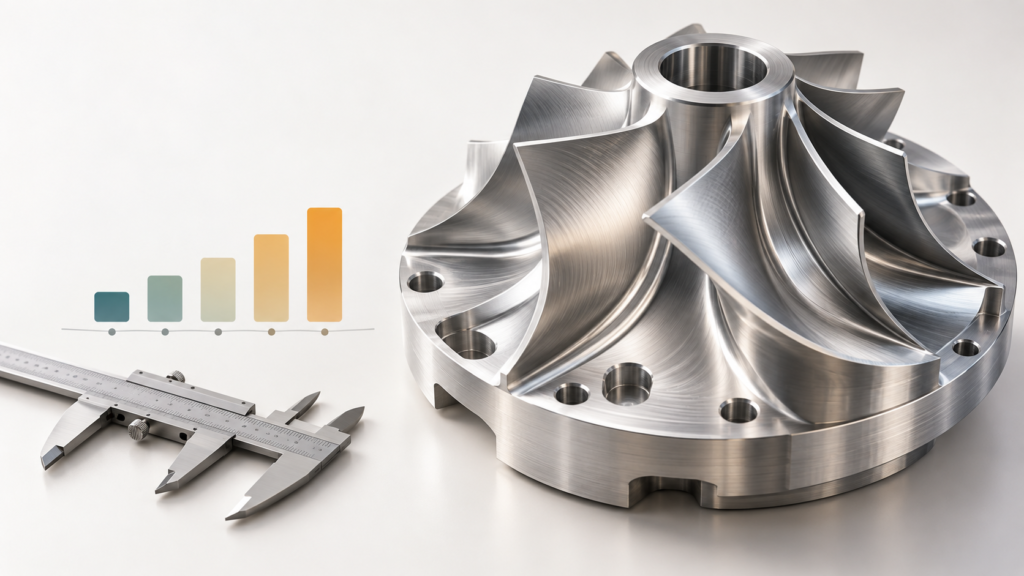
If you’re still sorting quotes by “Chinese supplier” vs. “German supplier,” you’re solving the wrong problem. A shop in Dongguan running a five-axis Mori Seiki can out-machine a shop in Stuttgart running a decade-old three-axis. The variable that actually predicts whether your part comes back in spec isn’t the flag on the machine — it’s […]
هل “آلات CNC الصينية الرخيصة” رخيصة بالفعل — أم أنها مختلفة فحسب؟
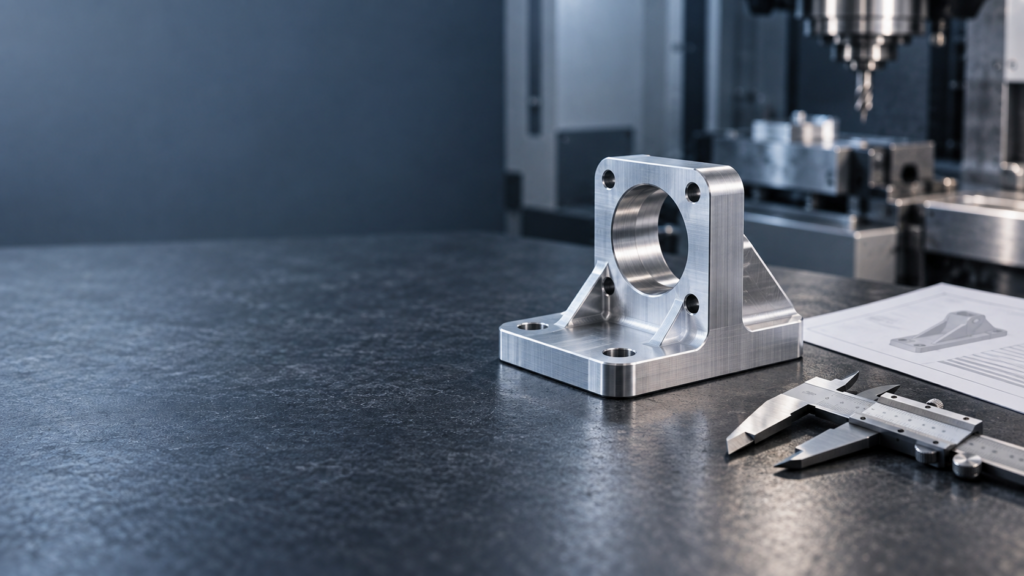
If you’ve sourced hardware parts for more than a year, you’ve heard the pitch: “Chinese CNC machines are cheap, so parts must be cheap and probably not as good.” That logic sounds tight until you actually run the numbers. It’s wrong on two counts — and understanding why will save you from both overpaying elsewhere […]
صناعة الآلات المكنية ذات التحكم الرقمي (CNC) في الصين: ما يحتاج مشترو قطع الغيار العالميون إلى معرفته في عام 2026
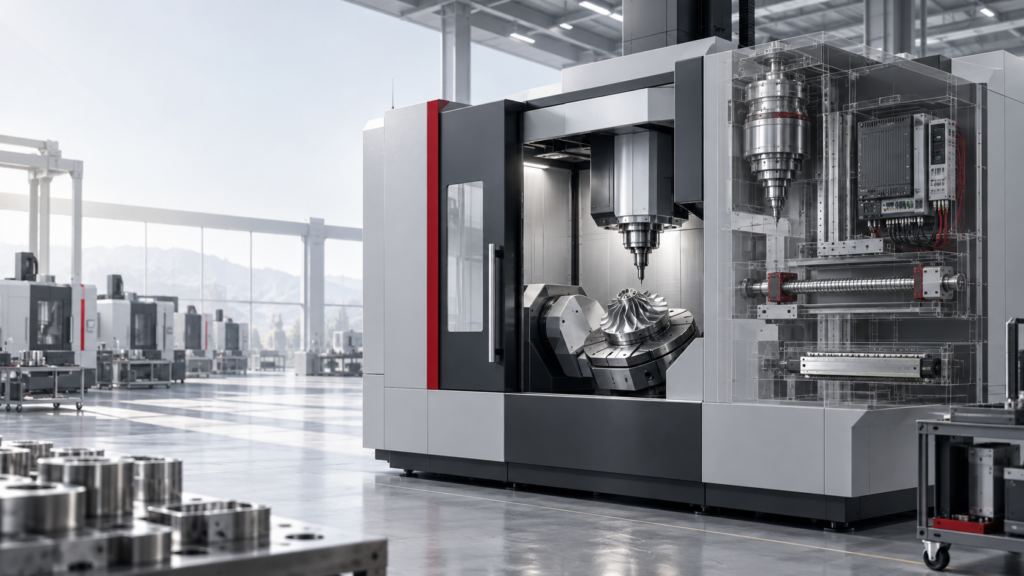
If you’re sourcing CNC machine tools or machined parts from China, you’ve probably heard two contradictory stories. One says China now builds world-class five-axis machines at half the price of German or Japanese equivalents. The other says Chinese machines are still “good enough for basic work” and nothing more. Both stories are wrong, and both […]
لماذا تكون آلات التصنيع بالتحكم الرقمي (CNC) الصينية أرخص عادةً من المعدات الألمانية واليابانية والأمريكية؟
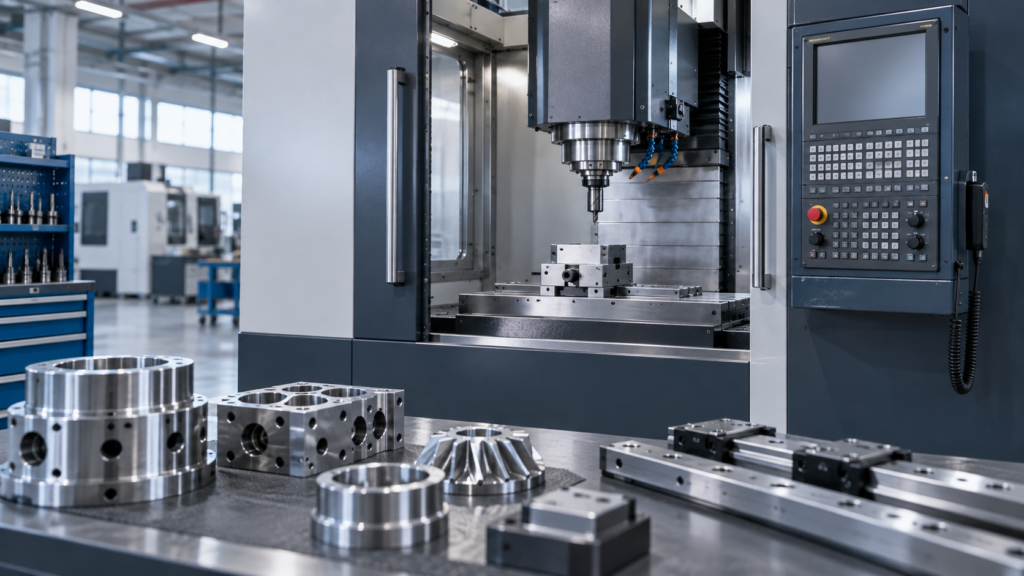
If you buy hardware components in volume, you’ve run this comparison before: two CNC machining centers, similar specs on paper, and a price gap that can run 30-50%. The instinct is to assume the cheaper one is worse. That instinct is only half right. Chinese CNC machines are cheaper for real structural reasons — but […]
الفجوة الحقيقية في الدقة بين آلات التصنيع باستخدام الحاسب الآلي (CNC) الصينية واليابانية والألمانية والتايوانية: ما يحتاج المشترون فعليًا إلى التحقق منه
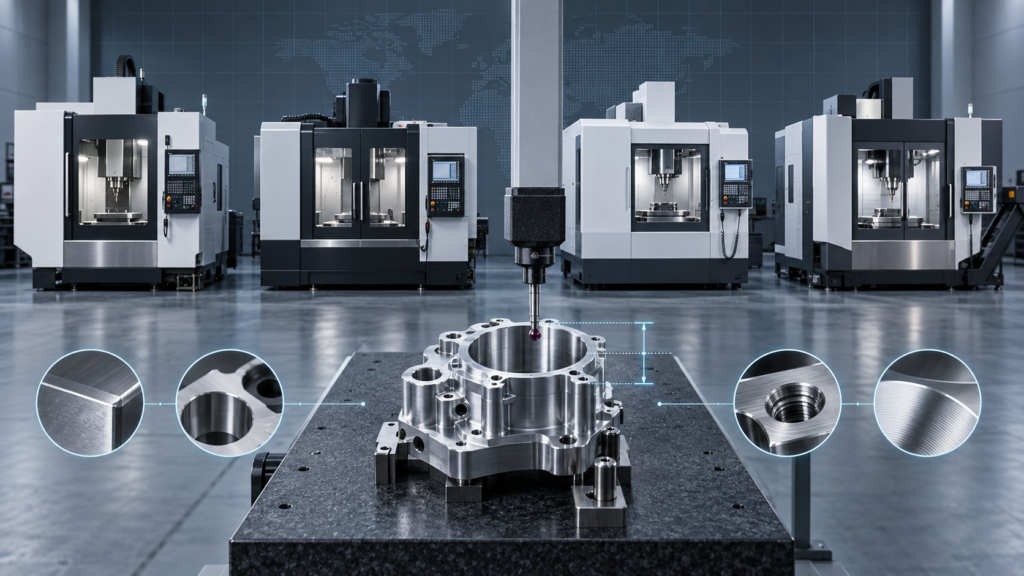
If you buy metal parts internationally, you’ve heard the pitch both ways: “Chinese machines can’t hold tolerance” from one camp, “German and Japanese precision is a myth, the specs are basically the same now” from the other. Neither is accurate. The real answer is messier, more useful, and more actionable than either soundbite — and […]
China CNC Machine Tools: The Real Price Gap vs. Germany, Japan, Korea, Taiwan, and the US
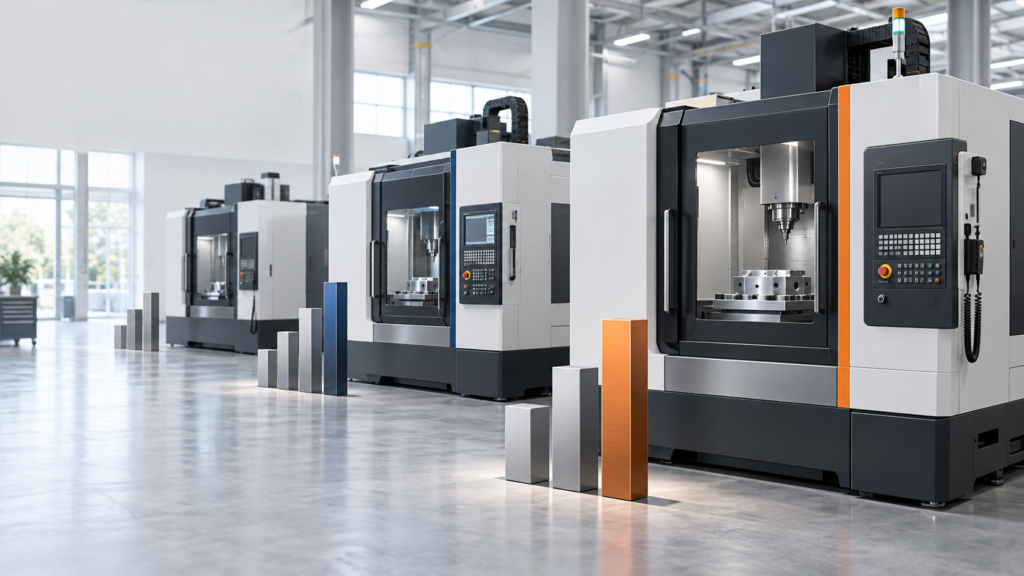
If you buy metal parts for a living, you’ve had this conversation at least once: a Chinese CNC machine builder quotes you a price that’s 40% below the German or Japanese alternative, and someone on your team asks “why would we ever pay more?” The honest answer is: sometimes you shouldn’t, and sometimes the cheap […]