
High-Strength Alloys in 2026: What Metal Parts Buyers Actually Need to Know
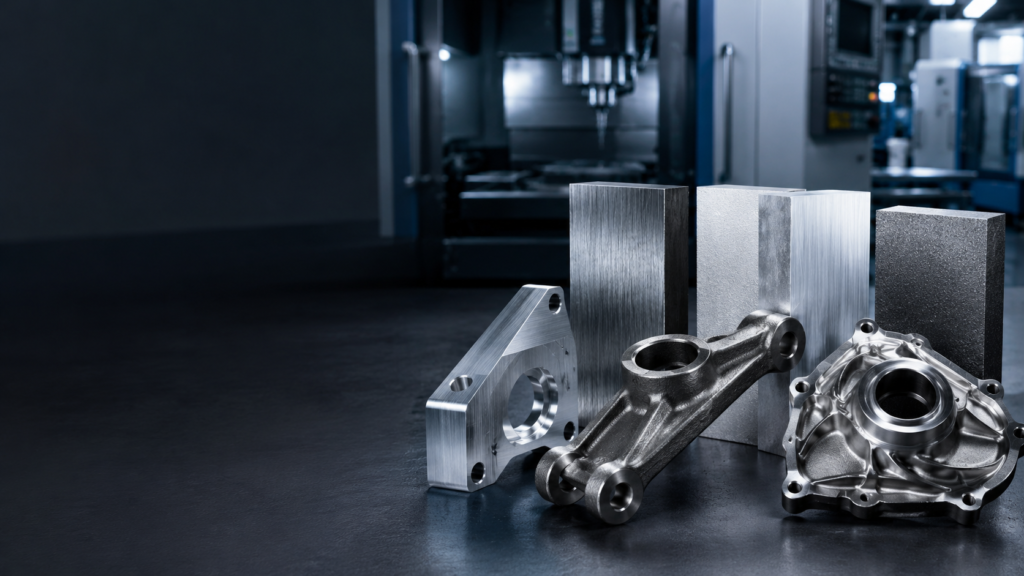
Steel demand globally is basically flat. Titanium is up. Aluminum alloys are up double digits. If you’re sourcing metal parts and just watching “steel prices” or “commodity indexes,” you’re looking at the wrong number. The real story right now isn’t tonnage — it’s material upgrade. Buyers who understand which alloys are getting harder to source, […]
Stop Writing “High Hardness” in Your PO — Write This Instead
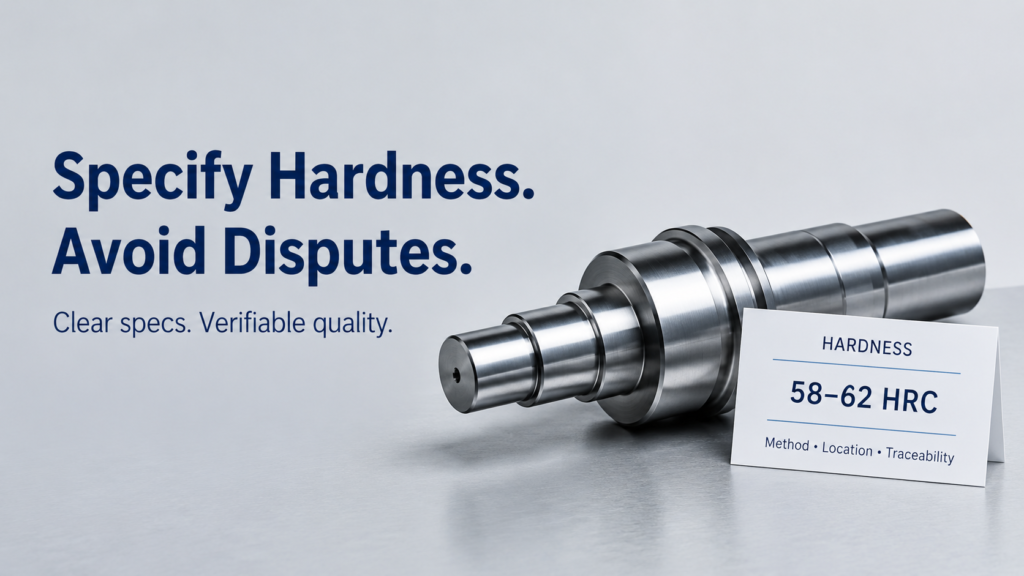
If you buy metal parts internationally, you already know the pattern: the drawing says “harden to 60 Rockwell,” the supplier ships a batch, and three weeks later your incoming inspection team is arguing with the supplier’s quality manager over what “60” actually meant. Nobody is lying. The spec was just never a spec — it […]
Heat Treatment of 1045 and 4140 Steel: What Hardware Buyers Actually Need to Specify
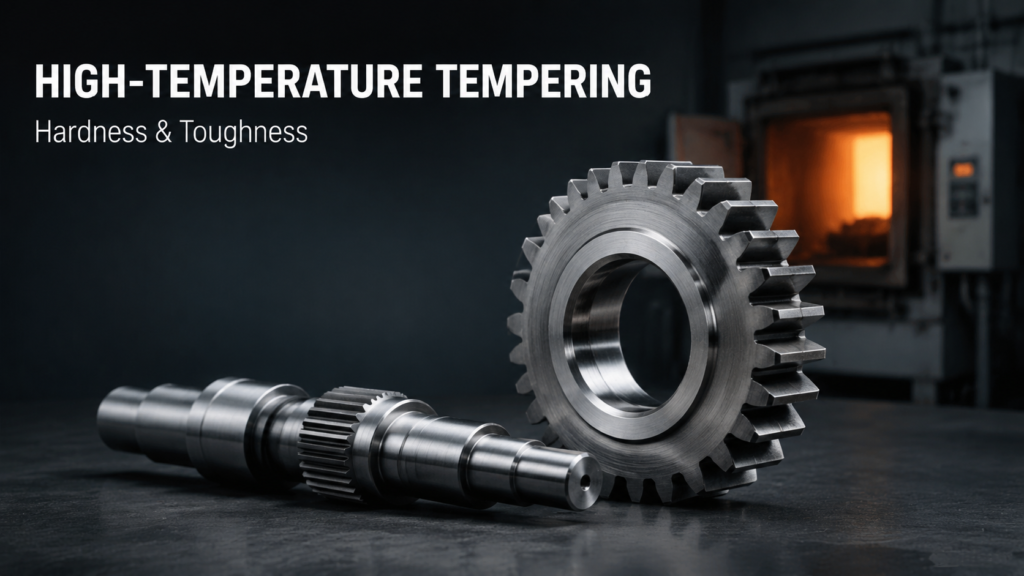
If you buy shafts, pins, fasteners, or structural steel parts and your purchase order just says “heat treated” or “hardened,” you’re gambling. Heat treatment doesn’t produce one outcome — it produces a spectrum of hardness, strength, and toughness combinations, and the difference between them can mean the part survives a million cycles or cracks on […]
Hardness, Tensile, and Charpy Impact Testing: What Every Hardware Buyer Needs to Know Before Writing a Spec
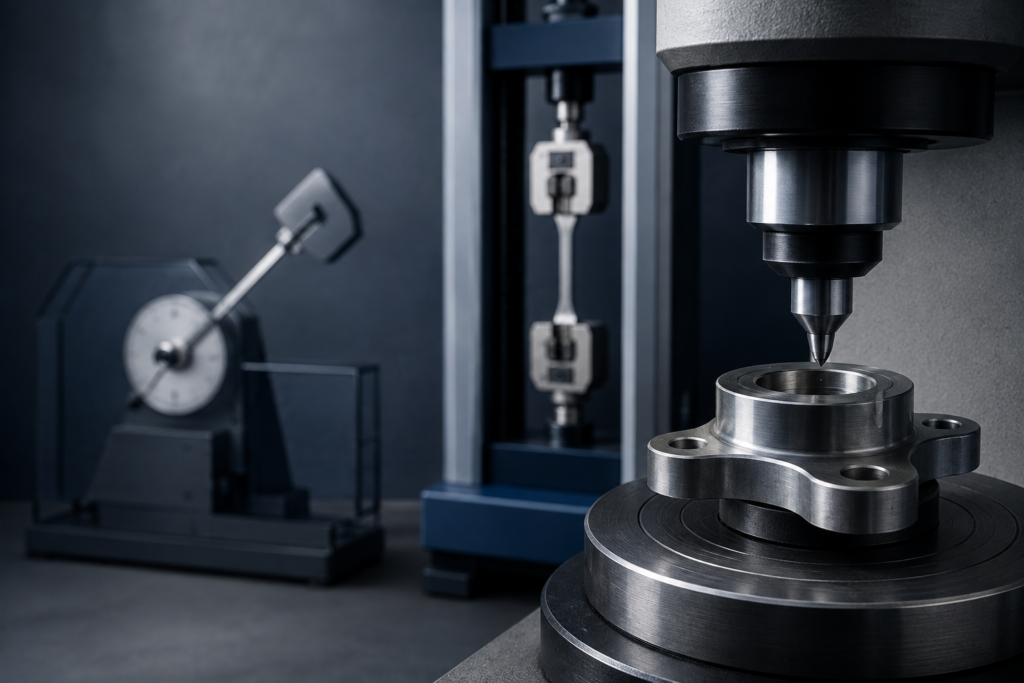
If you buy machined, forged, or heat-treated metal parts, you’ve probably written “Rockwell hardness: 58-62 HRC” on a drawing and moved on. That’s not wrong — it’s just incomplete. Hardness, tensile, and Charpy impact testing measure three completely different things, and a part that passes one can still fail the application. This article breaks down […]
Rockwell, Tensile, and Charpy Testing: A Sourcing Guide for Global Metal Parts Buyers

Why Test Selection Is a Procurement Decision, Not Just an Engineering One Test method selection refers to the process of matching a specific mechanical property requirement — hardness, strength, or impact toughness — to the test that actually measures it, rather than defaulting to whichever test is cheapest or most familiar to the supplier. In […]
Hardness Specifications in Global Hardware Sourcing: What Buyers Get Wrong, What It Costs, and How to Fix It

If you’ve ever had a batch of parts rejected on hardness while the supplier insists their mill cert proves compliance, you already know the real problem isn’t heat treatment competence. It’s that “30 HRC” on a drawing looks like a complete spec and isn’t. Hardness is a measurement taken under a specific indenter, load, surface […]
Hardness, Strength, and Toughness: How to Spec Metal Parts So They Don’t Fail on You
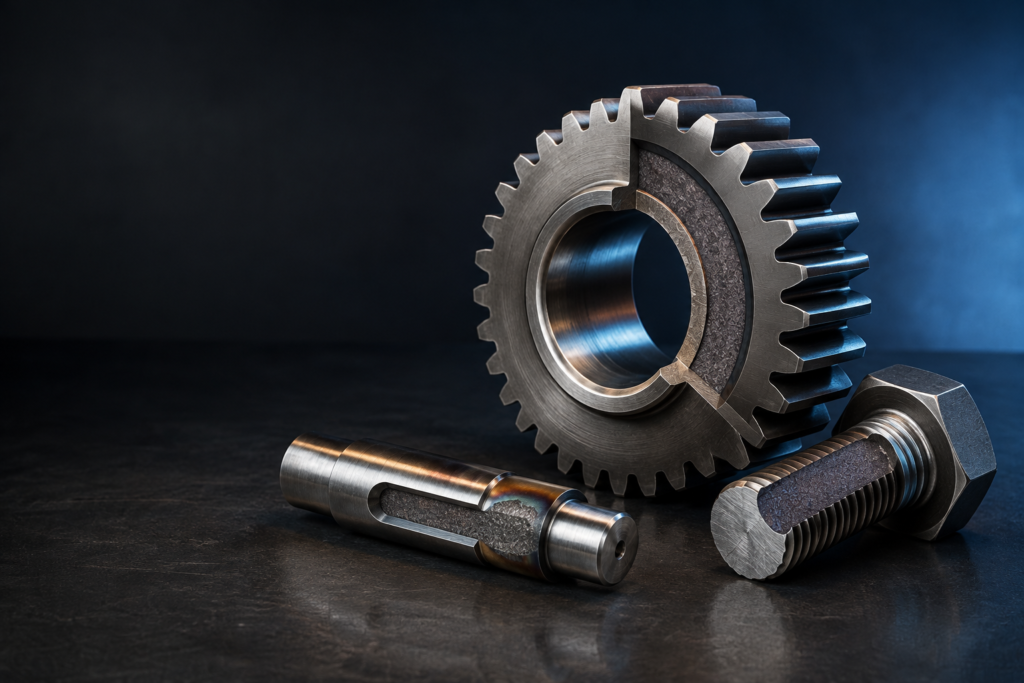
If you buy fasteners, gears, or machined metal parts for a living, you’ve seen this fight before: engineering wants tighter tolerances, the supplier wants to ship whatever passes their in-house hardness tester, and somewhere in between, a part fails in the field and nobody can agree on why. Usually the root cause isn’t a bad […]
High Hardness, Low Toughness: What Every Hardware Buyer Needs to Verify Before Sign-Off
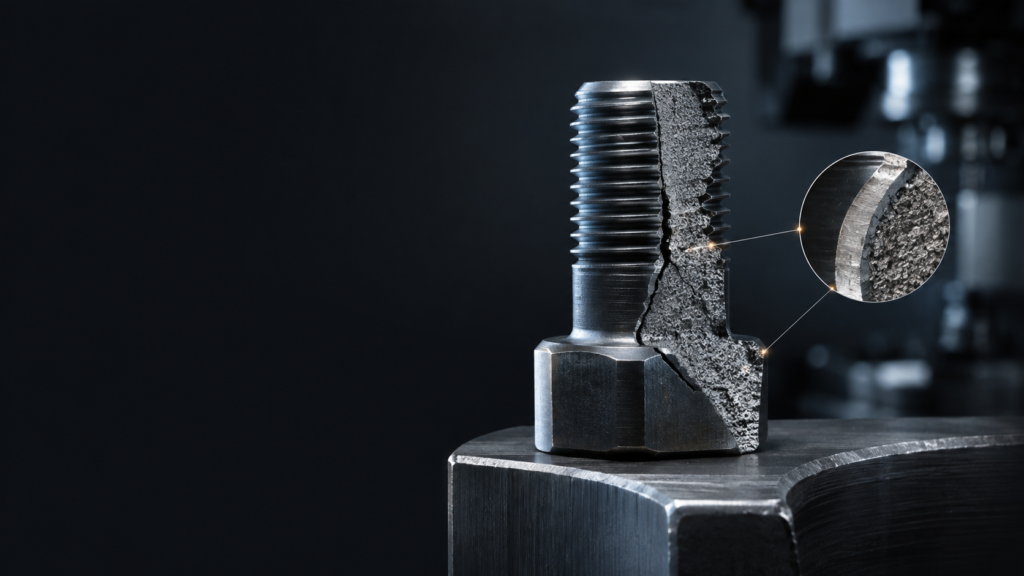
If you’ve bought steel fasteners, pins, flanges, or CNC-machined structural parts long enough, you’ve probably heard a supplier say “don’t worry, it’s harder than spec, that’s a good thing.” It isn’t always. In failure analysis, high hardness without matching toughness is one of the most common — and most preventable — root causes of sudden, […]
Why Harder Metal Parts Often Break: A Procurement Engineer’s Guide to the Hardness-Toughness Trade-off

If you’ve ever rejected a batch of “harder” parts only to have them fail an impact test, you already know this isn’t theoretical. Hardness and toughness pull in opposite directions more often than not — but “harder means more brittle” is a rule of thumb, not a law of physics. Get the mechanism right, and […]
Hardness Conversion Charts: What They Actually Tell a Metal Parts Buyer (And Where They Lie to You)
If you buy fasteners, machined components, or forged/cast metal parts from overseas suppliers, you’ve seen HRC, HBW, and HV numbers on inspection reports more times than you can count. Most buyers treat these as interchangeable — punch one number into a converter, get another, move on. That habit works fine until it doesn’t, and when […]