
CNC Machining Outsourcing to China: Where Buyers Actually Lose Money, and Where They Actually Win
Outsourcing CNC machining to China still gets treated like a binary bet — either you save a fortune or you get burned. Neither framing is accurate. The data shows a more useful pattern: the failures cluster around a handful of preventable mistakes, and the savings are real but conditional on how the sourcing process is […]
Shipping, Lead Time, and Logistics for China-Sourced CNC Parts: A Buyer’s Guide
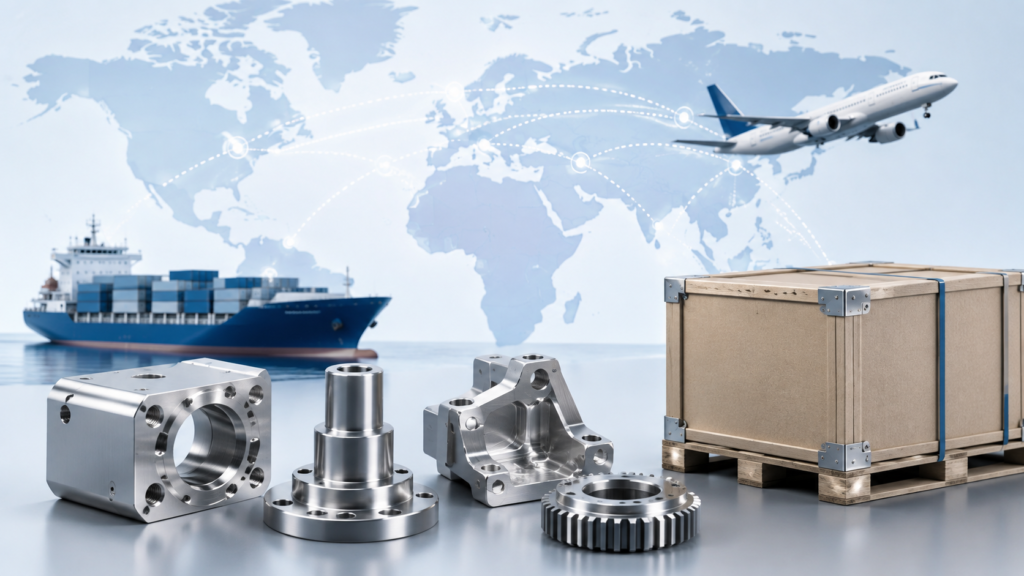
If you’ve bought CNC machined parts from a Chinese supplier, you already know the quoted lead time and the actual delivery date are two different conversations. One is what goes in the quote. The other is what happens after the parts leave the shop floor. This article breaks down what “lead time” actually covers, how […]
Materiali e tolleranze: cosa possono realmente realizzare le officine CNC cinesi
If you’ve sourced parts from China long enough, you’ve seen the pattern: a supplier’s quote sheet says ±0.005 mm, the sample part is beautiful, and then production run #3 comes in with a batch of out-of-spec bores. This isn’t usually fraud. It’s a mismatch between what a shop can do on a good day, with […]
ISO 9001, AS9100 e IATF 16949: cosa significano realmente le certificazioni CNC cinesi per le vostre decisioni di approvvigionamento
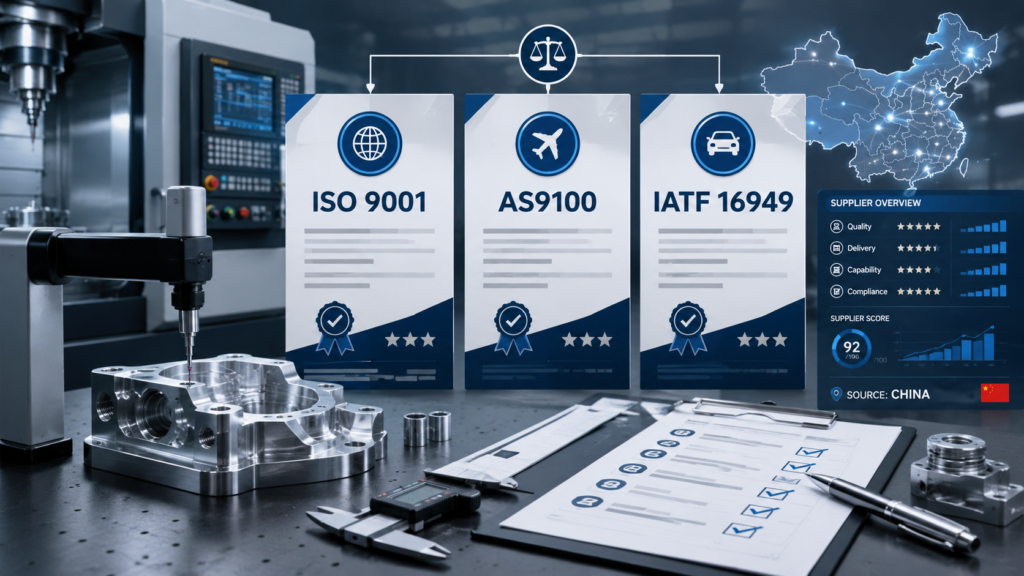
If you buy CNC parts from China, you’ve seen the certificate wall in every supplier’s factory tour deck. ISO 9001, AS9100, IATF 16949 — three logos, three acronyms, and in a lot of RFQ conversations, buyers treat them as interchangeable proof that “this shop is good.” They’re not interchangeable, and treating them that way either […]
Come valutare un fornitore di lavorazioni CNC in Cina senza rimanere delusi
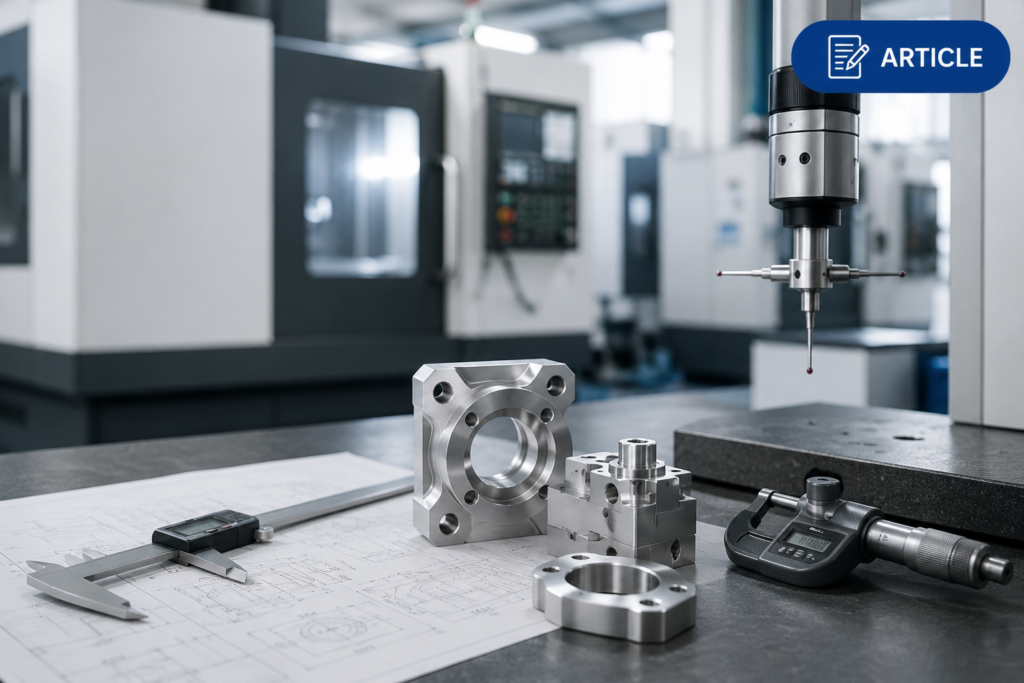
If you buy hardware parts for a living, you already know the pitch: 30% cheaper, two-week lead times, “we can do everything.” Half of it is true. The other half is why so many buyers end up with a container of scrap and a supplier who stops answering emails. Vetting isn’t about finding the cheapest […]
La lavorazione CNC è davvero più economica in Cina? Un confronto pratico dei costi con gli Stati Uniti e l'Europa
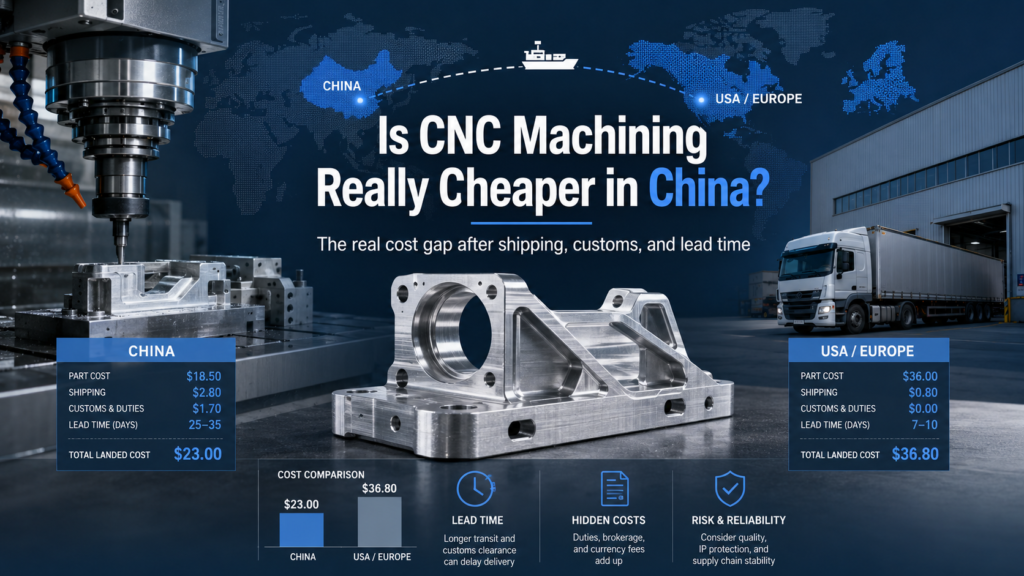
China is often the first market buyers check when they want to reduce CNC machining costs. The headline figures explain why. A 2026 comparison places typical CNC machining rates at about $25–65 per hour in China, $75–150 per hour in the United States, and $60–130 per hour in Europe [TEAM MFG 2026 Global CNC Machining […]
Componenti in alluminio contro quelli in lega di magnesio: un confronto concreto dal punto di vista di un responsabile degli acquisti
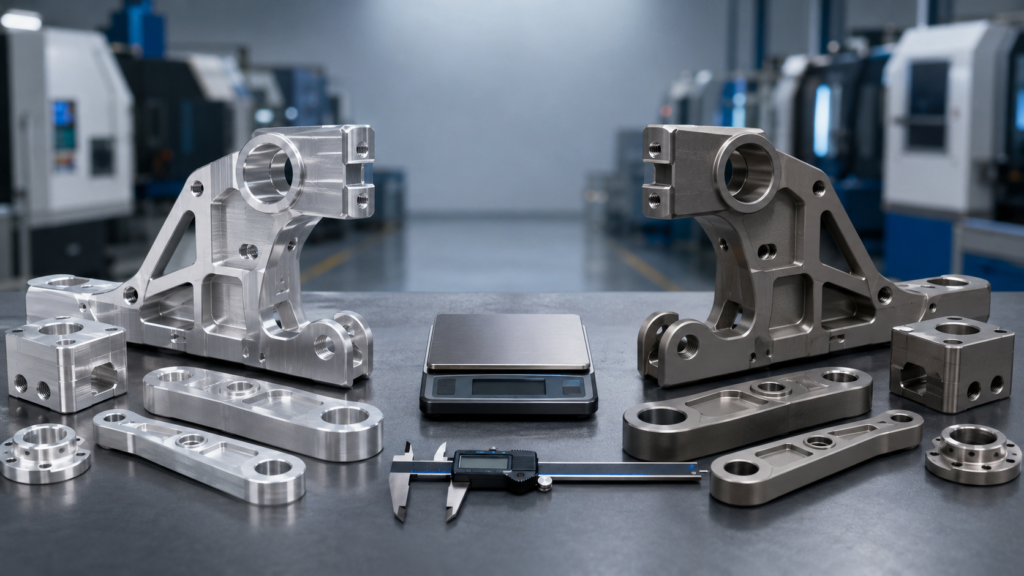
If you buy hardware parts at scale — brackets, housings, connectors, structural components — you’ve probably had this conversation with an engineering team at least once: “Can we switch this part to magnesium to save weight?” The answer is almost never a simple yes or no. It’s a trade-off between processing risk, total cost, corrosion […]
How to Choose the Right Aluminum and Magnesium Parts Supplier
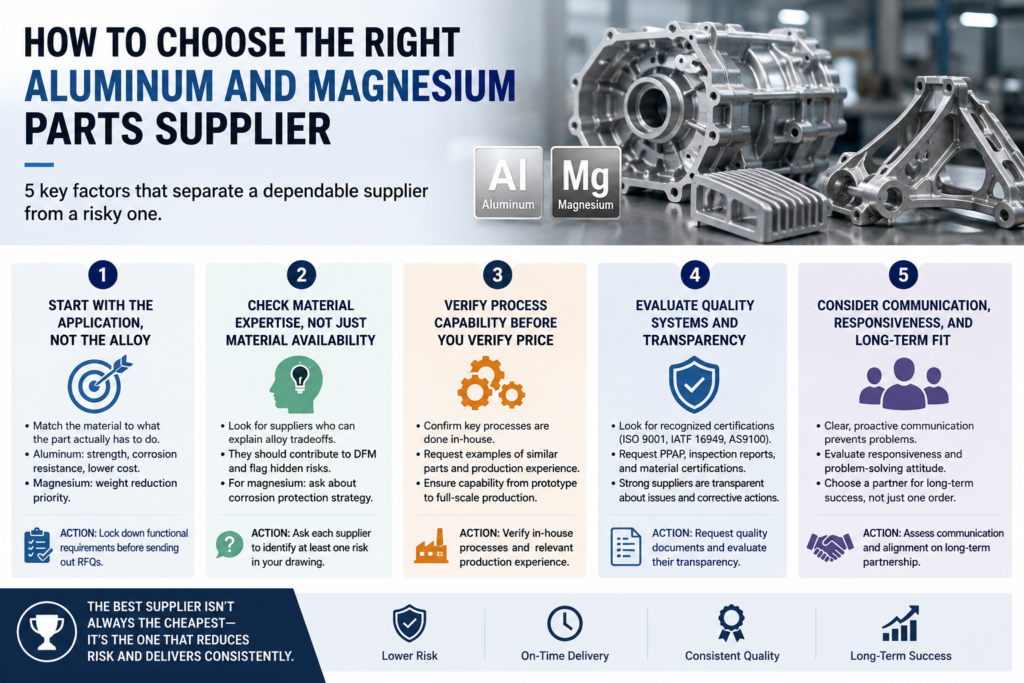
If you buy metal parts for a living, you already know the uncomfortable truth: the lowest quote and the best supplier are rarely the same company. Choosing an aluminum or magnesium parts supplier is a decision about risk as much as it is about price — one bad batch of castings can cost more in […]
Magnesium vs Aluminum Alloys: What Global Hardware Buyers Need to Know Before Switching Suppliers (2020–2026)
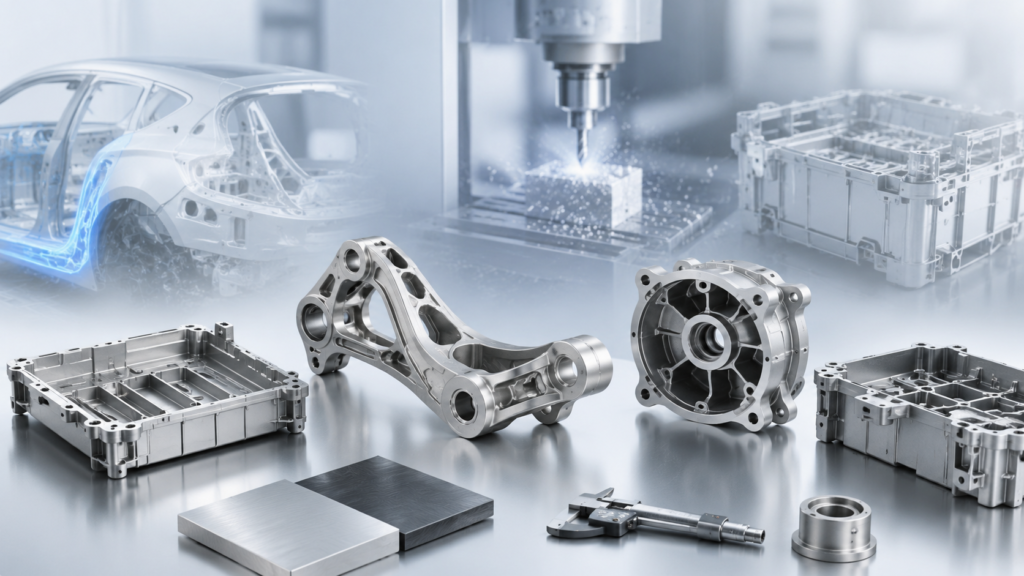
If you source metal hardware — brackets, housings, die-cast components, structural fittings — you’ve probably had a supplier pitch magnesium alloy as the “lighter, cheaper alternative” to aluminum. Some of that pitch is true. Some of it will get your product returned in six months. This article breaks down what the actual market data, failure […]
Aluminum and Magnesium Parts: Which Material Is More Suitable for Your Application
If you’ve spent any time sourcing die-cast or CNC-machined metal parts, you’ve hit this fork in the road: aluminum or magnesium. Both are lightweight relative to steel, both machine and die-cast well, and both show up constantly in automotive, electronics, and aerospace bills of materials. On a spec sheet they can look interchangeable — similar […]