
Durezza, resistenza e tenacità dei componenti metallici: perché gli acquirenti continuano a specificare la proprietà sbagliata
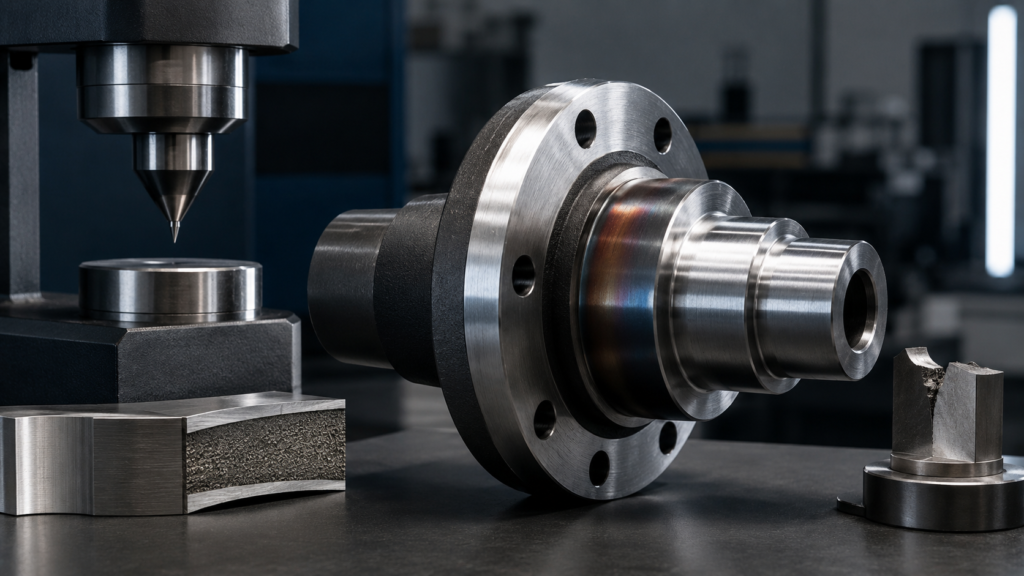
Se vi è mai capitato che un pezzo “ad alta resistenza” si rompesse durante l’uso, o che un componente “temprato” si scheggiasse invece di usurarsi in modo uniforme, vi siete imbattuti nello stesso problema che prima o poi si presenta a ogni acquirente di componenti metallici: durezza, resistenza e tenacità non sono la stessa proprietà, e considerarle intercambiabili è una delle abitudini più costose nel settore dei componenti metallici […]
I rischi nascosti dietro i preventivi a basso costo per la lavorazione CNC provenienti dalla Cina
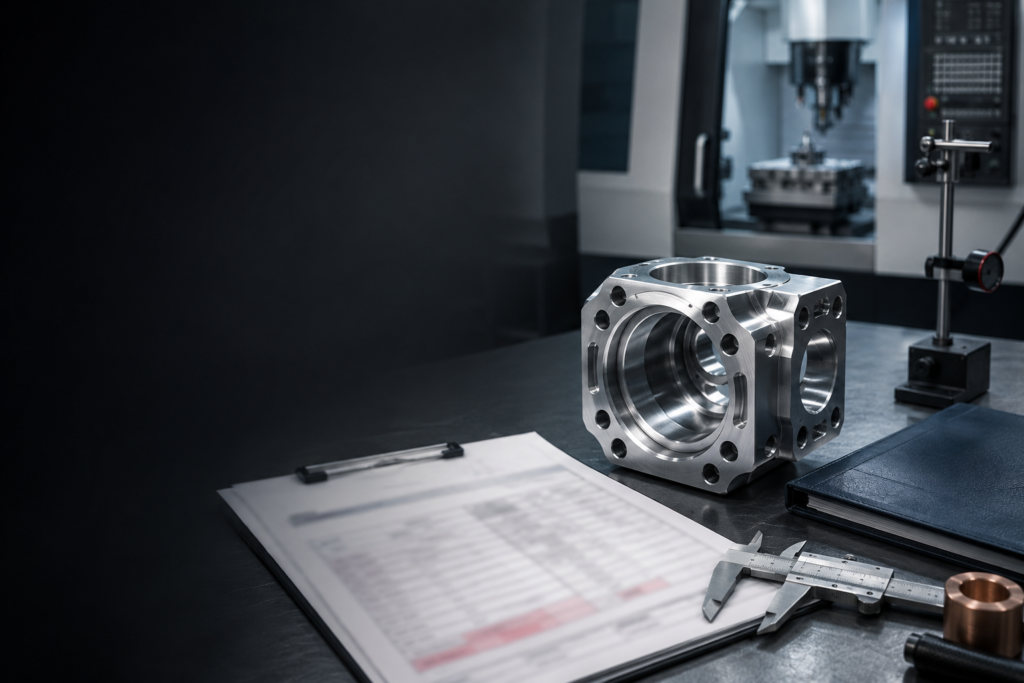
A low price on a CNC machining quote from China is not, by itself, a warning sign. What matters is how that price was achieved. In many cases, the gap between a competitive quote and a risky one is invisible at the purchase-order stage — it only becomes visible later, in the form of rework, […]
Perché i tempi di consegna della lavorazione CNC sembrano sempre allungarsi — e cosa possono fare concretamente gli acquirenti al riguardo
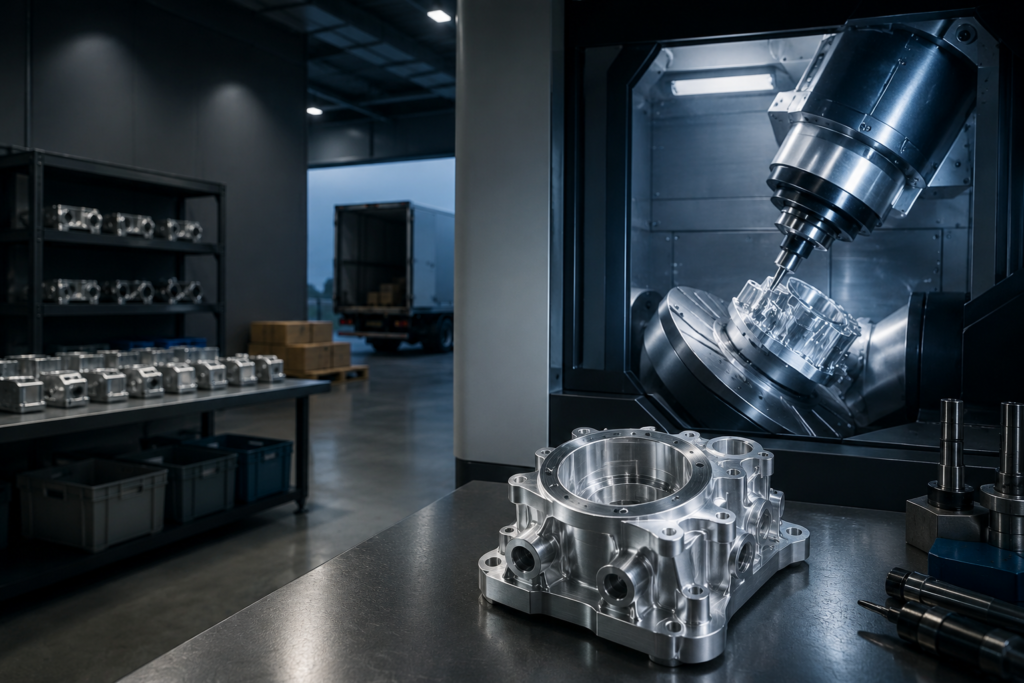
If you’ve bought CNC parts for more than a year, you already know the pattern: the quote says “15 days,” and somewhere around day 22 you’re chasing a WeChat message asking where your parts are. This isn’t bad luck. It’s a structural gap between how suppliers calculate lead time and how buyers define “on time.” […]
Scelta dei materiali per la lavorazione CNC: come influisce realmente sui costi e sui rischi di approvvigionamento
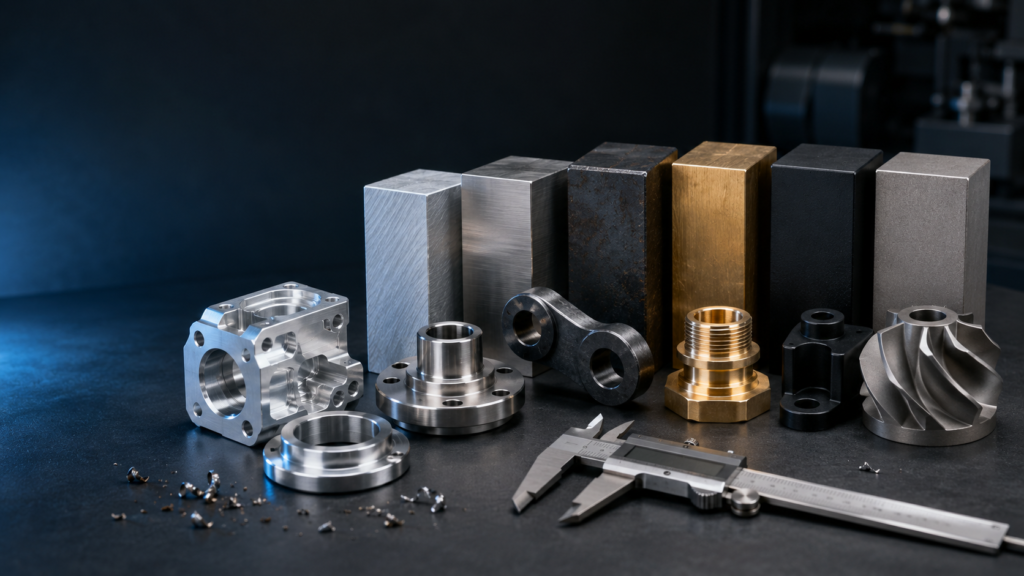
If you’re sourcing CNC parts and you’re still comparing suppliers on price-per-kg alone, you’re leaving money and lead time on the table. Material selection touches raw material cost, cutting speed, tool wear, machining time, finishing, mechanical performance, and supply stability — all at once [ruiyi-cncmachining.com]. A cheaper alloy on paper can cost more once you […]
Oltre la certificazione ISO 9001: un quadro di riferimento pratico per l’audit dei fornitori di lavorazioni CNC
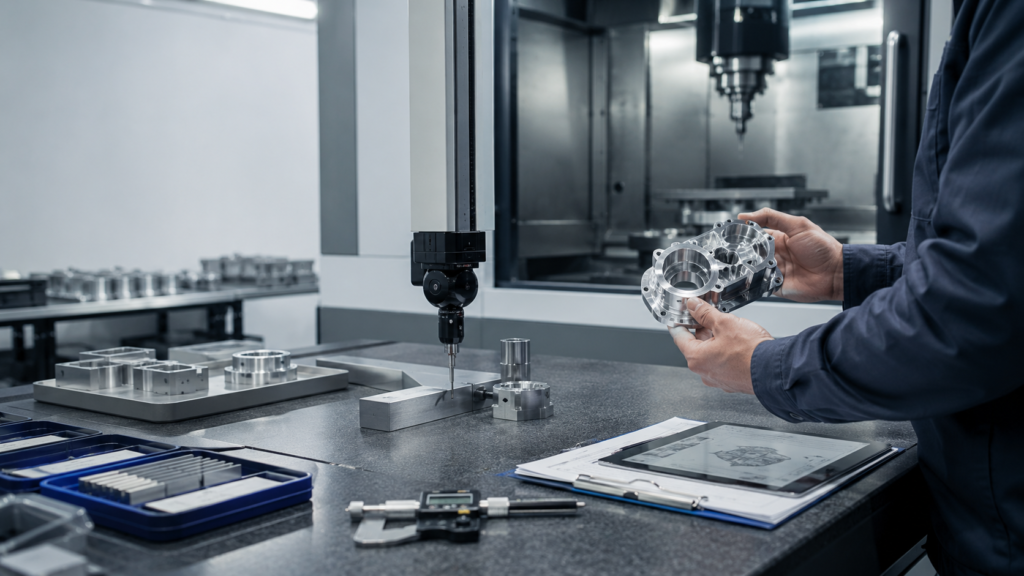
If you buy CNC parts globally, you already know the drill: the supplier sends over a laminated ISO 9001 certificate, a handful of sample parts with a green “PASS” sticker, and a PowerPoint with photos of clean machines. None of that tells you whether the same supplier can hold your tolerance on order 47 out […]
Why CNC Machining Quotes for the Same Part Can Swing More Than 30%
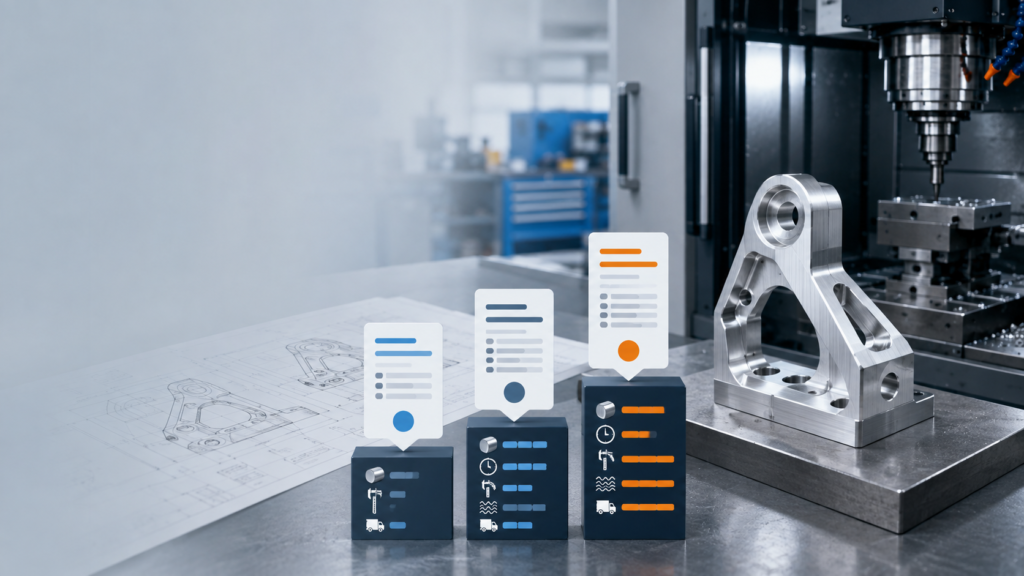
If you buy machined parts across multiple suppliers, you’ve seen this: identical drawing, identical quantity, three quotes back, and the spread between the lowest and highest is 30%, sometimes more. Most buyers default to one of two conclusions — “the high suppliers are padding margin” or “the low supplier found an efficiency I’m missing.” Both […]
Where Should You Source CNC Machined Parts in 2026? A Country-by-Country Reality Check
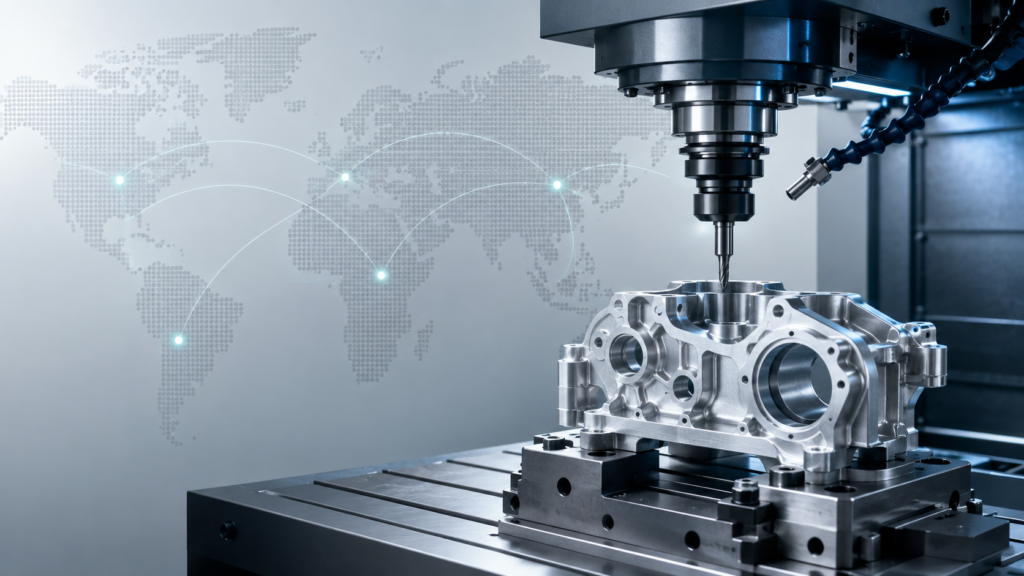
If you buy CNC machined hardware for a living, you already know the pitch every country makes for itself. China says “we’re cheaper and faster.” Mexico says “we’re closer.” Germany and Japan say “we’re better.” Vietnam says “we’re the safe hedge.” None of that is wrong, and none of it is the whole story either. […]
CNC Parts That Look Fine and Fail Anyway: A Buyer’s Guide to Quality Risk
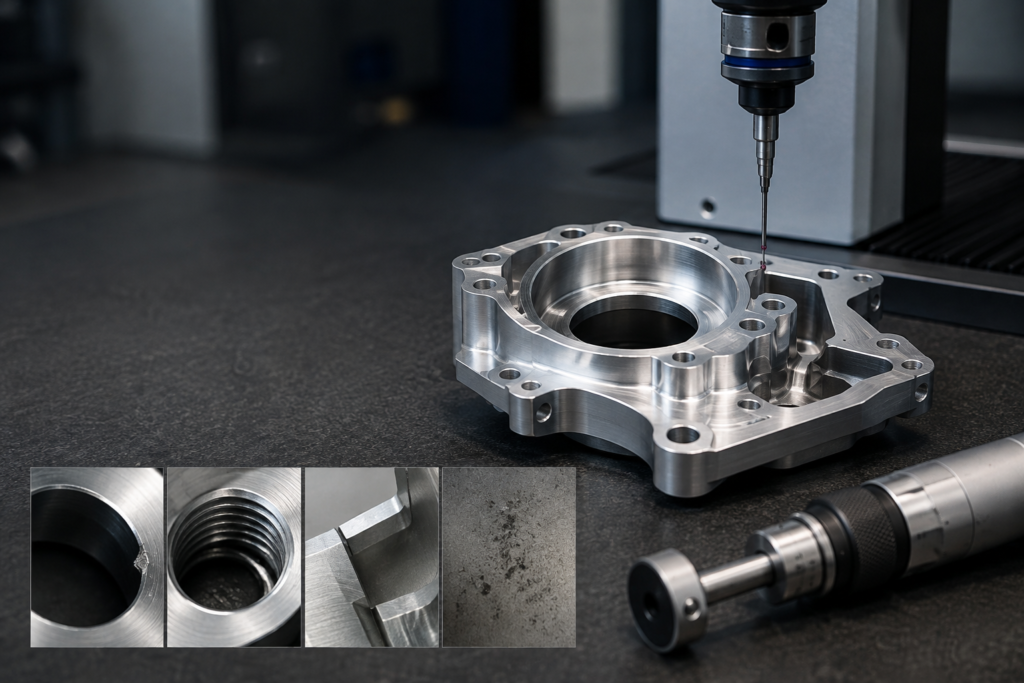
If you’ve been buying CNC machined parts long enough, you’ve had this experience: the part passes incoming inspection, looks clean, measures within tolerance on the calipers your QC team has — and still fails in assembly, in the field, or six months later in a warranty claim. That’s not bad luck. It’s a symptom of […]
The Global CNC Machining Market Through 2030: What Buyers Actually Need to Plan For
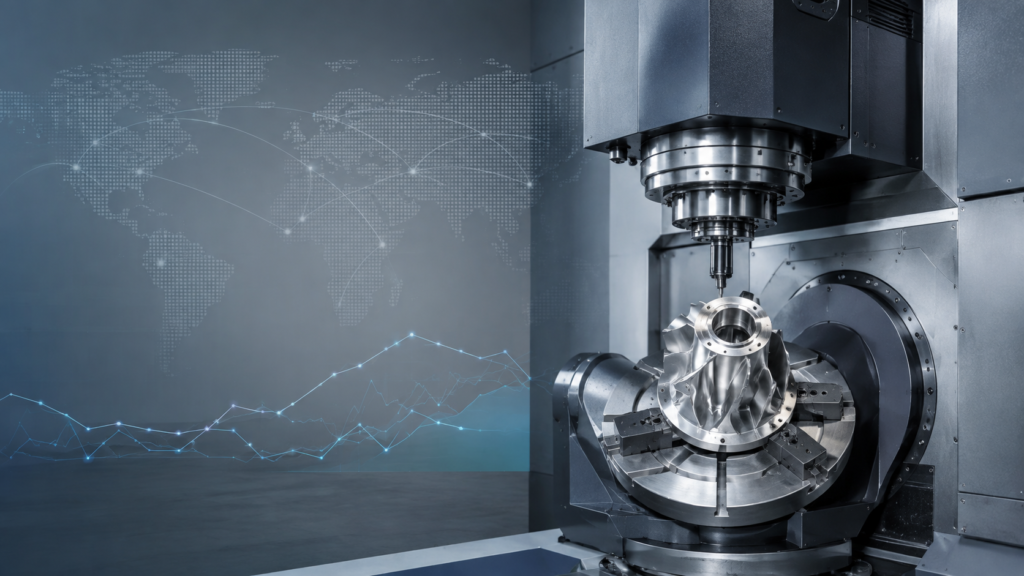
If you’re sourcing metal parts, you’ve probably seen a headline like “global CNC market to hit $170 billion by 2030” and wondered what that number actually means for your quotes. Short answer: not much, on its own. The long answer is more useful, and it starts with separating two markets that get lumped together constantly […]
5 Myths About Chinese CNC Machining Every Hardware Buyer Needs to Retire
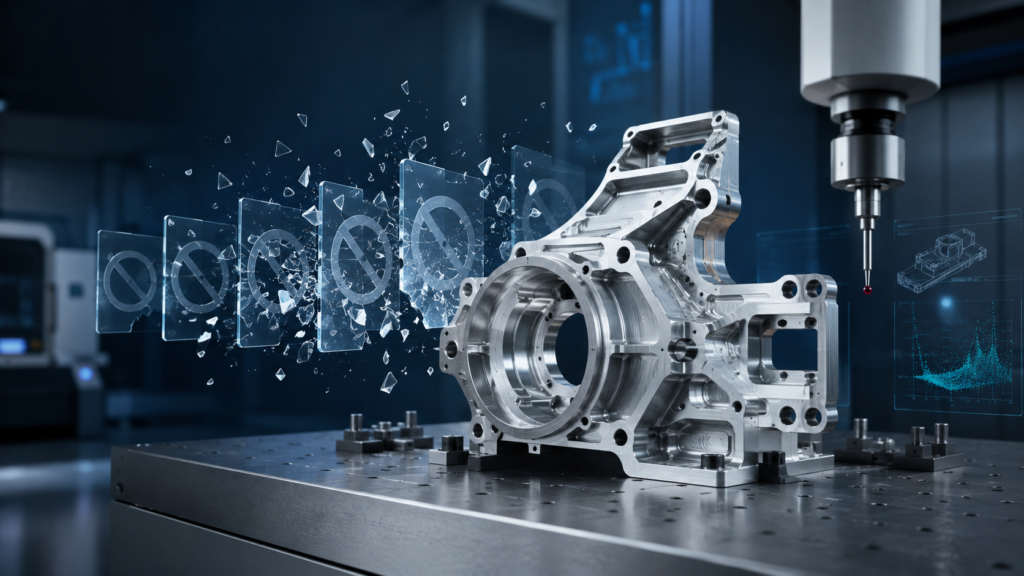
If you buy metal parts for a living, you’ve heard both sides of this argument at trade shows and in Slack channels: “China is cheap but risky” versus “China quality has caught up, stop overthinking it.” Neither claim survives contact with real RFQ data. Chinese CNC machining is neither uniformly low-cost nor uniformly high-risk — […]