
Härte, Festigkeit und Zähigkeit bei Metallteilen: Warum Einkäufer immer wieder die falsche Eigenschaft spezifizieren
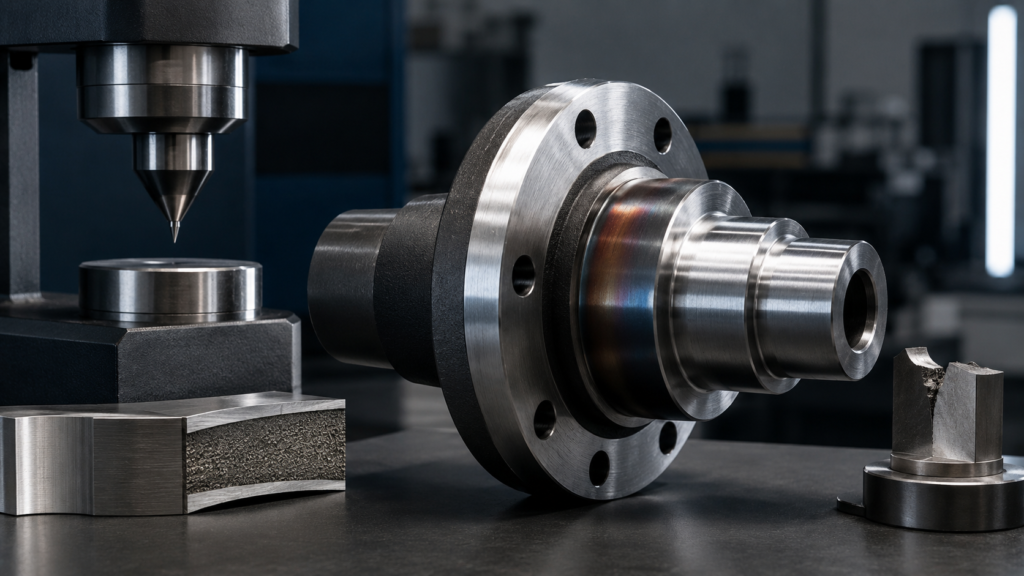
Wenn Sie schon einmal erlebt haben, dass ein “hochfestes” Bauteil im Einsatz versagt hat oder ein “gehärtetes” Bauteil abgesplittert ist, anstatt sich gleichmäßig abzunutzen, dann sind Sie auf dasselbe Problem gestoßen, mit dem jeder Einkäufer von Metallteilen früher oder später konfrontiert wird: Härte, Festigkeit und Zähigkeit sind nicht dasselbe, und sie als austauschbar zu betrachten, ist eine der kostspieligsten Gewohnheiten im Bereich der Metallteile […]
Die verborgenen Risiken hinter günstigen Angeboten für CNC-Bearbeitung aus China
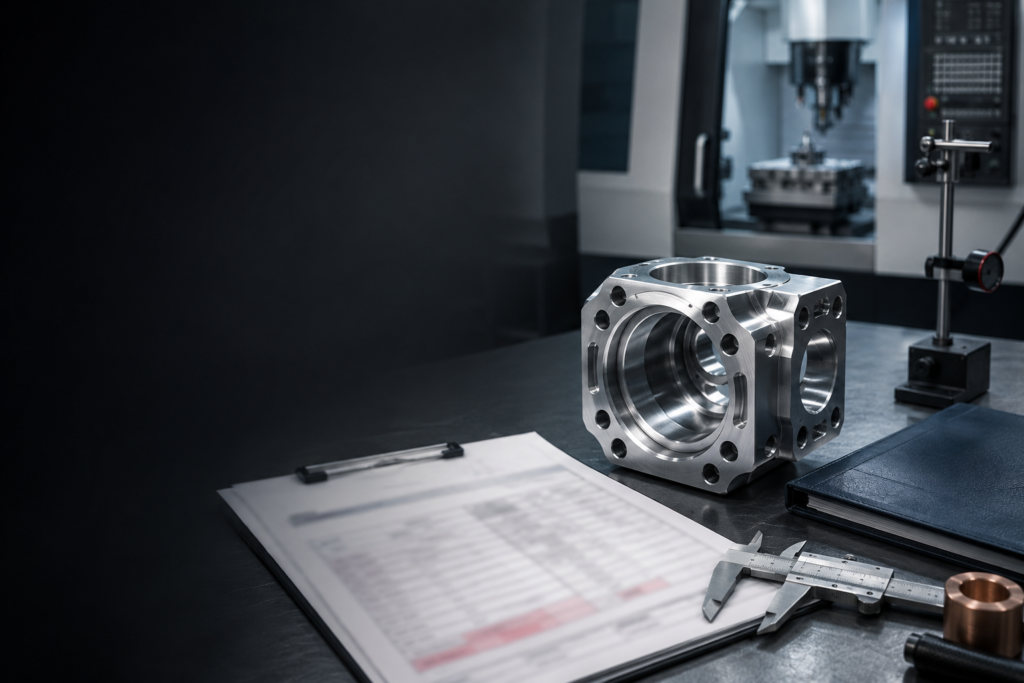
Ein niedriger Preis in einem Angebot für CNC-Bearbeitung aus China ist an sich noch kein Warnsignal. Entscheidend ist, wie dieser Preis zustande gekommen ist. In vielen Fällen ist der Unterschied zwischen einem wettbewerbsfähigen und einem riskanten Angebot zum Zeitpunkt der Auftragserteilung nicht erkennbar – er wird erst später sichtbar, in Form von Nacharbeiten, […]
Warum sich die Lieferzeiten bei der CNC-Bearbeitung scheinbar immer verzögern – und was Einkäufer tatsächlich dagegen tun können
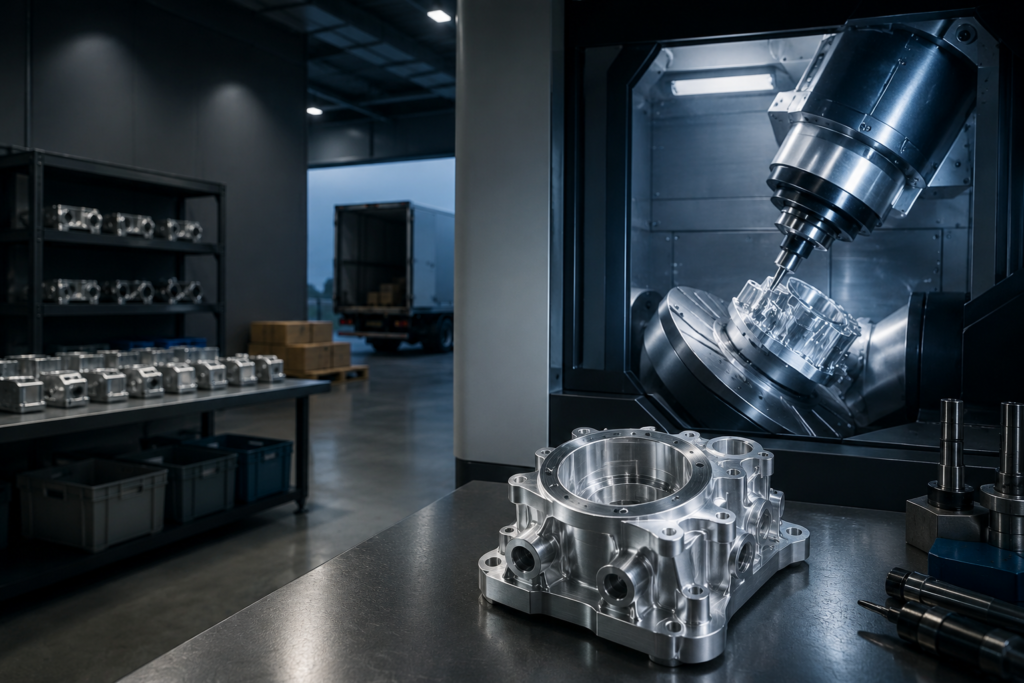
Wenn Sie schon seit mehr als einem Jahr CNC-Teile kaufen, kennen Sie das Muster bereits: Im Angebot steht “15 Tage”, und irgendwann um den 22. Tag herum schicken Sie eine WeChat-Nachricht, in der Sie fragen, wo Ihre Teile bleiben. Das ist kein Pech. Es handelt sich um eine strukturelle Diskrepanz zwischen der Art und Weise, wie Lieferanten die Lieferzeit berechnen, und der Definition von “pünktlich” seitens der Käufer. […]
Materialauswahl bei der CNC-Bearbeitung: Wie sie Kosten und Lieferrisiken tatsächlich beeinflusst
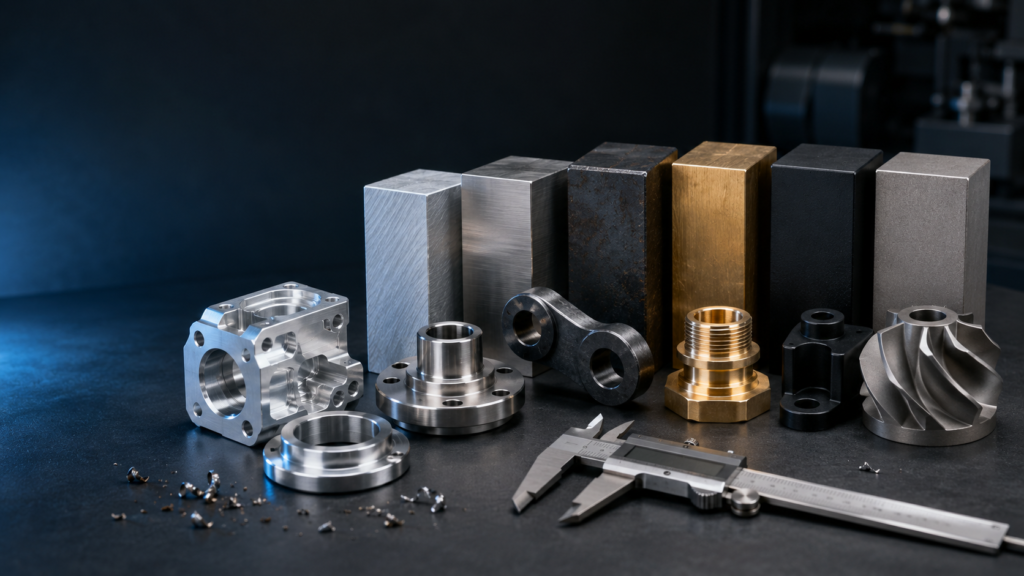
If you’re sourcing CNC parts and you’re still comparing suppliers on price-per-kg alone, you’re leaving money and lead time on the table. Material selection touches raw material cost, cutting speed, tool wear, machining time, finishing, mechanical performance, and supply stability — all at once [ruiyi-cncmachining.com]. A cheaper alloy on paper can cost more once you […]
Über das ISO 9001-Zertifikat hinaus: Ein Rahmenkonzept für Praktiker zur Prüfung von Lieferanten im Bereich der CNC-Bearbeitung
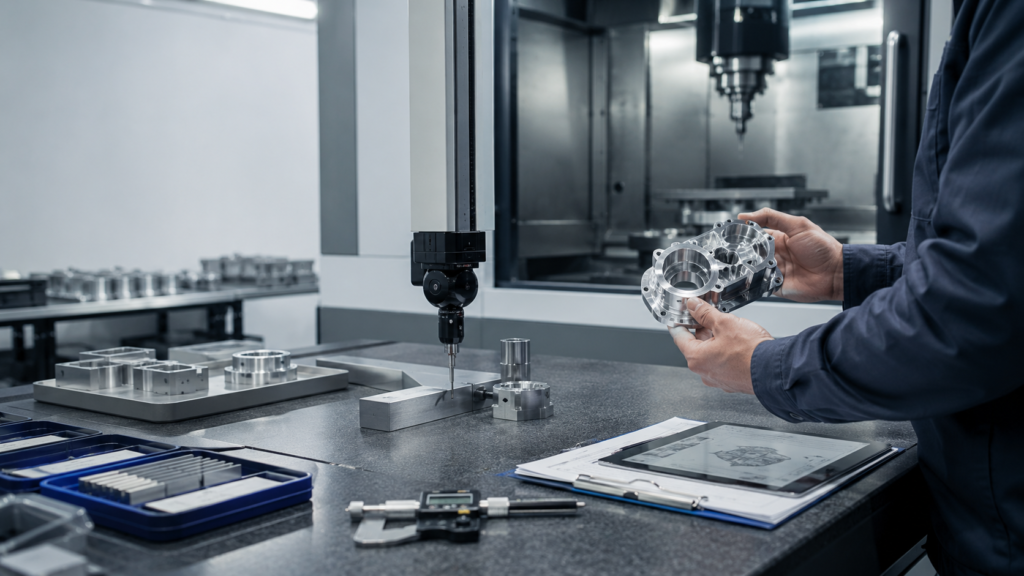
If you buy CNC parts globally, you already know the drill: the supplier sends over a laminated ISO 9001 certificate, a handful of sample parts with a green “PASS” sticker, and a PowerPoint with photos of clean machines. None of that tells you whether the same supplier can hold your tolerance on order 47 out […]
Warum die Angebote für die CNC-Bearbeitung desselben Teils um mehr als 30% schwanken können
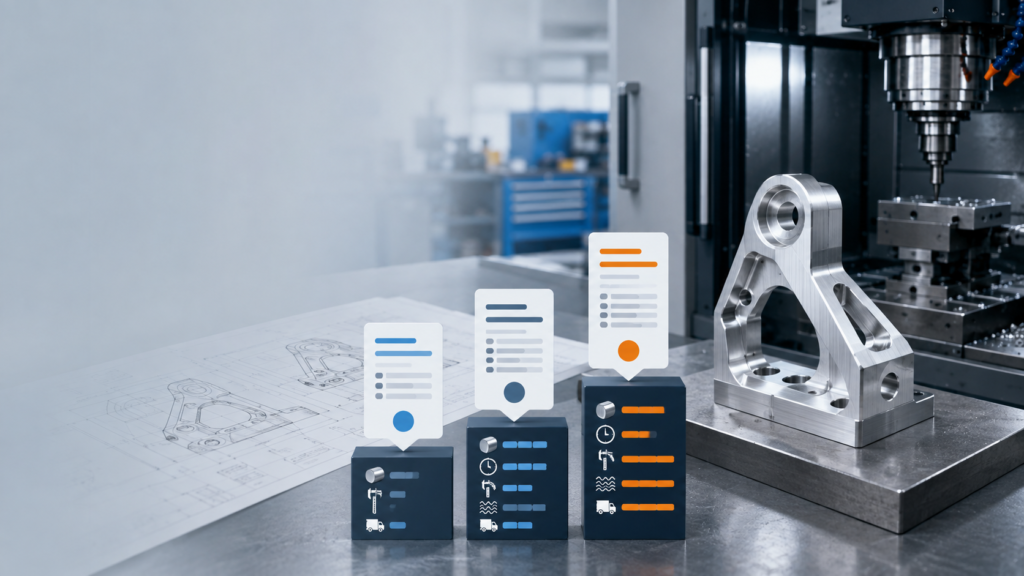
If you buy machined parts across multiple suppliers, you’ve seen this: identical drawing, identical quantity, three quotes back, and the spread between the lowest and highest is 30%, sometimes more. Most buyers default to one of two conclusions — “the high suppliers are padding margin” or “the low supplier found an efficiency I’m missing.” Both […]
Where Should You Source CNC Machined Parts in 2026? A Country-by-Country Reality Check
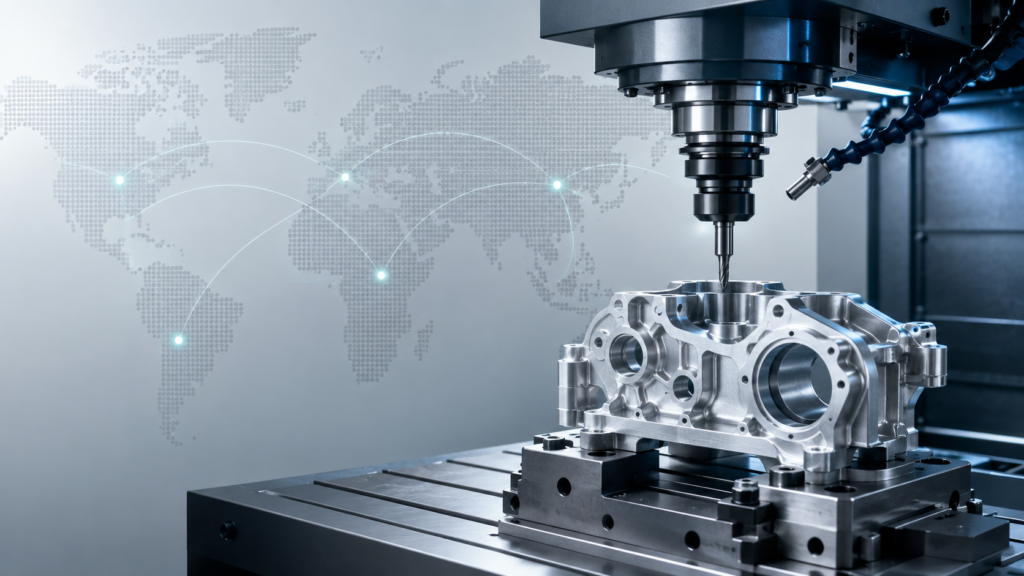
If you buy CNC machined hardware for a living, you already know the pitch every country makes for itself. China says “we’re cheaper and faster.” Mexico says “we’re closer.” Germany and Japan say “we’re better.” Vietnam says “we’re the safe hedge.” None of that is wrong, and none of it is the whole story either. […]
CNC Parts That Look Fine and Fail Anyway: A Buyer’s Guide to Quality Risk
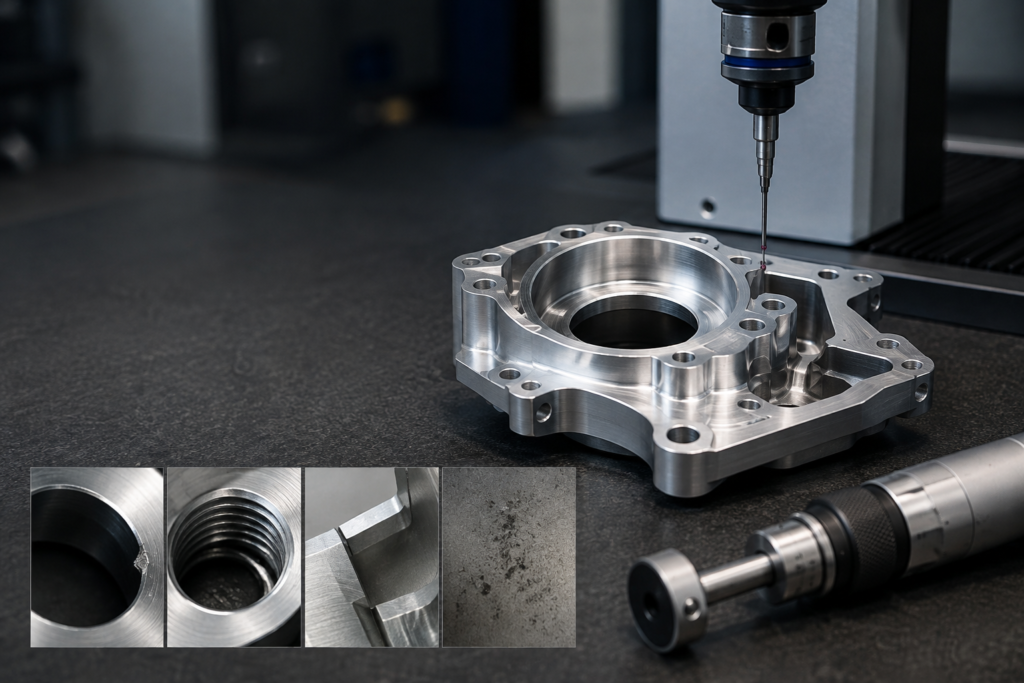
If you’ve been buying CNC machined parts long enough, you’ve had this experience: the part passes incoming inspection, looks clean, measures within tolerance on the calipers your QC team has — and still fails in assembly, in the field, or six months later in a warranty claim. That’s not bad luck. It’s a symptom of […]
Der weltweite Markt für CNC-Bearbeitung bis 2030: Worauf sich Käufer tatsächlich einstellen müssen
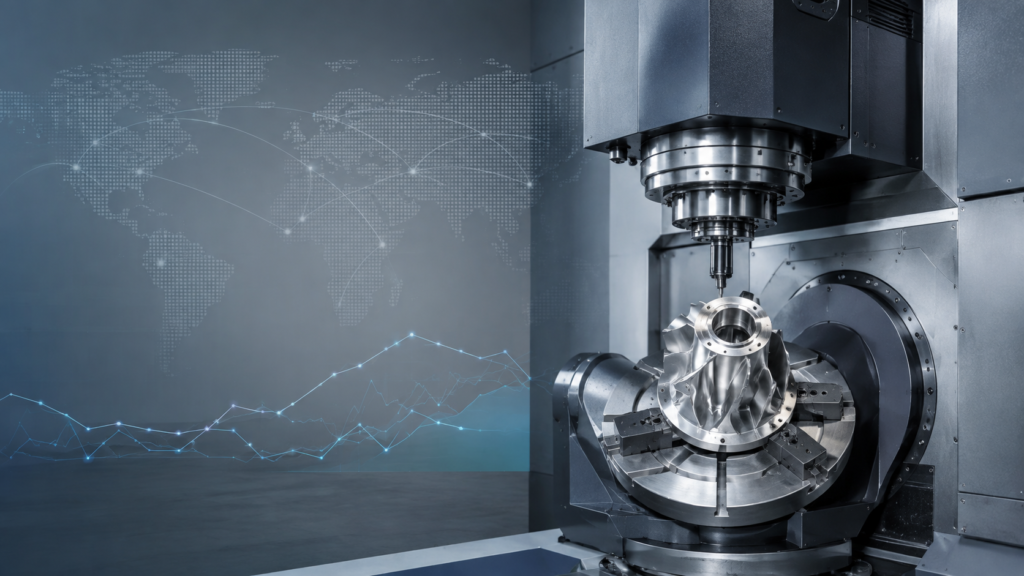
If you’re sourcing metal parts, you’ve probably seen a headline like “global CNC market to hit $170 billion by 2030” and wondered what that number actually means for your quotes. Short answer: not much, on its own. The long answer is more useful, and it starts with separating two markets that get lumped together constantly […]
5 Mythen über die chinesische CNC-Bearbeitung, mit denen sich jeder Einkäufer von Metallteilen abfinden muss
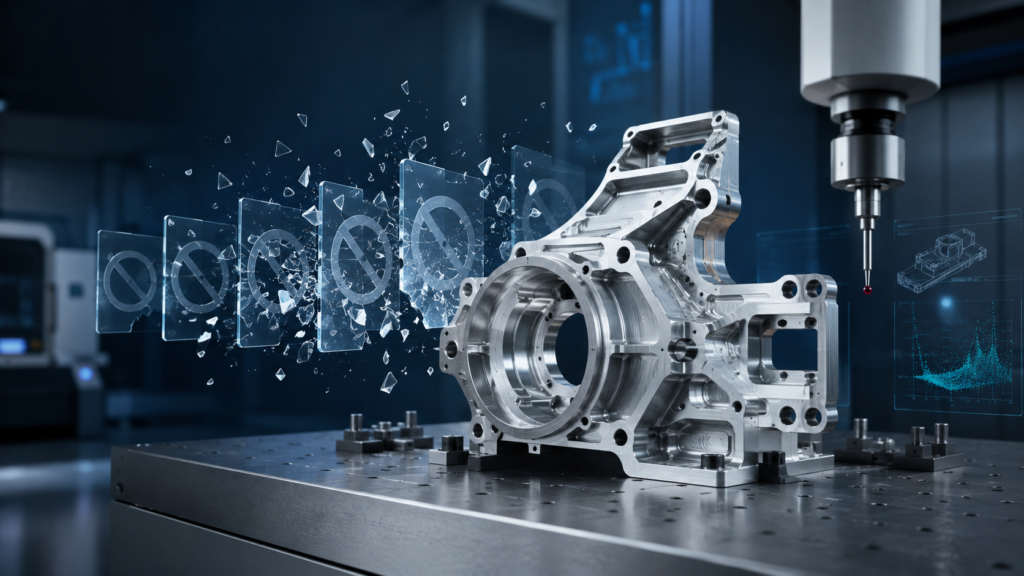
If you buy metal parts for a living, you’ve heard both sides of this argument at trade shows and in Slack channels: “China is cheap but risky” versus “China quality has caught up, stop overthinking it.” Neither claim survives contact with real RFQ data. Chinese CNC machining is neither uniformly low-cost nor uniformly high-risk — […]