
Metal Heat Treatment Services for Precision Parts
Controlled heat treatment for CNC machined metal parts, helping improve hardness, strength, wear resistance, toughness and dimensional stability.
✓ Quenching, tempering, annealing, carburizing and Vacuum Heat Treatment
✓ Heat treatment support for steel, stainless steel and alloy parts
✓ Hardness testing and dimensional inspection available
✓ Prototype and batch production support
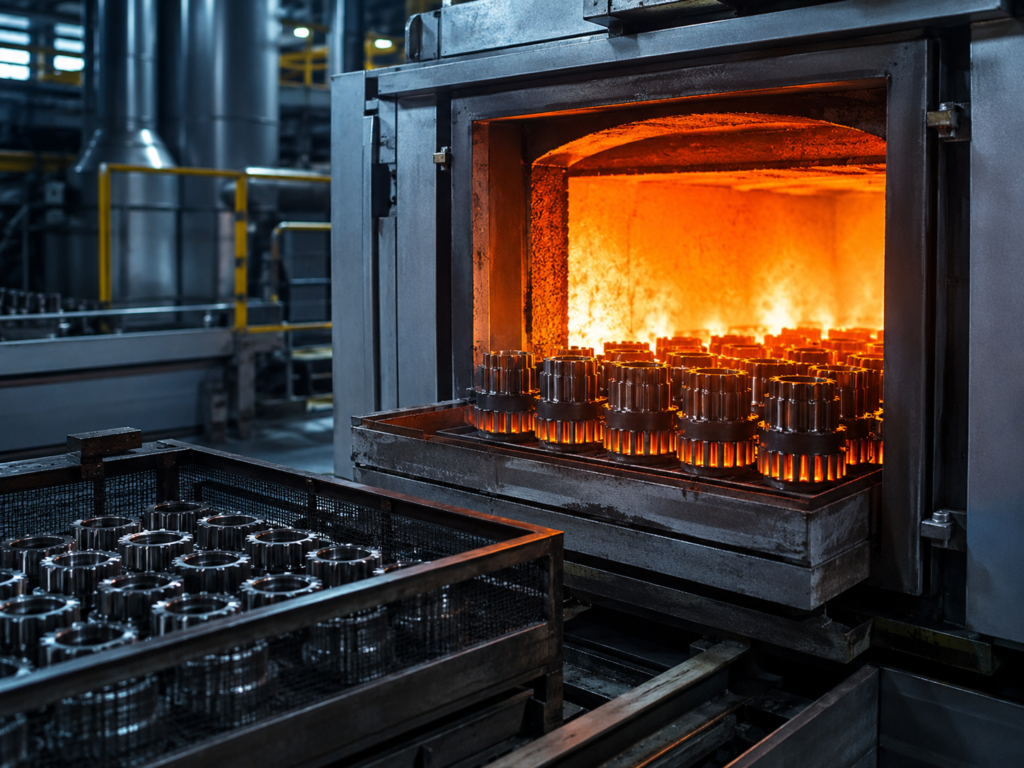
Key Specifications for Metal Heat Treatment Services
Metal heat treatment is used to improve the hardness, strength, wear resistance, toughness and dimensional stability of precision metal parts. It is commonly applied to CNC machined parts, shafts, gears, brackets, housings and custom metal components.
Service Type
We provide metal heat treatment services for precision metal parts, CNC machined components, prototypes and low-volume custom parts.
Supported Materials
Suitable for carbon steel, alloy steel, stainless steel, aluminum alloy, copper alloy, brass and other engineering metal materials.
Common Processes
Available processes include quenching, tempering, annealing, normalizing, carburizing, nitriding, surface hardening and stress relieving.
Part Types
Common applications include shafts, gears, fasteners, brackets, connectors, mechanical housings, mold components and industrial structural parts.
Quality Inspection
Hardness testing, visual inspection, dimensional re-checking and surface condition verification are available to reduce deformation and batch quality risks.
Industries Served
Used in automotive, robotics, aerospace, medical devices, industrial automation and precision machinery manufacturing.
What Is Metal Heat Treatment?
Metal heat treatment is a controlled heating, holding and cooling process used to improve the mechanical properties of metal parts. It helps enhance hardness, strength, toughness, wear resistance, fatigue resistance and dimensional stability while keeping the part’s overall shape and function.
Typical heat treatment processes include quenching, tempering, annealing, normalizing, carburizing, nitriding and stress relieving. The right heat treatment method depends on the material grade, part structure, hardness target, tolerance requirements and final application environment.
For CNC machined parts and custom metal components, heat treatment is often used to improve performance in applications involving load, friction, impact, repeated motion or long-term wear. It is commonly applied to shafts, gears, fasteners, brackets, housings and other precision metal parts.
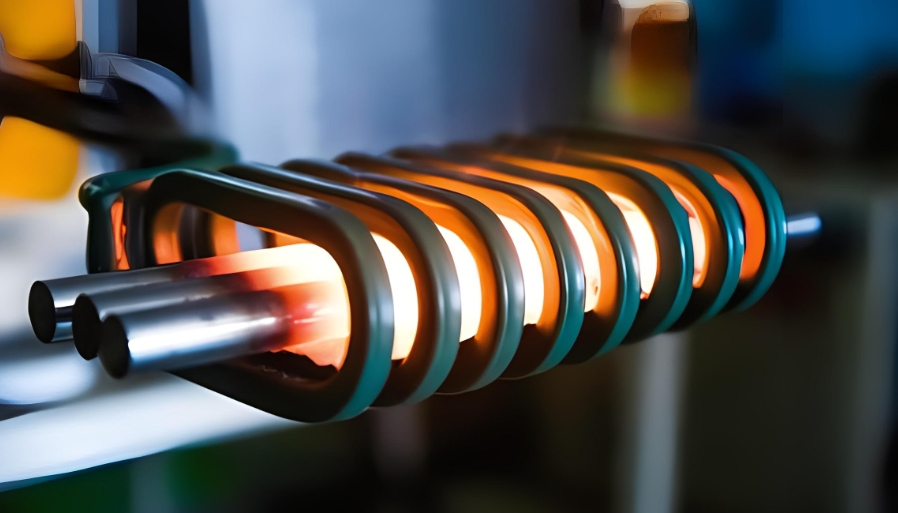
Why Choose Us for Metal Heat Treatment?
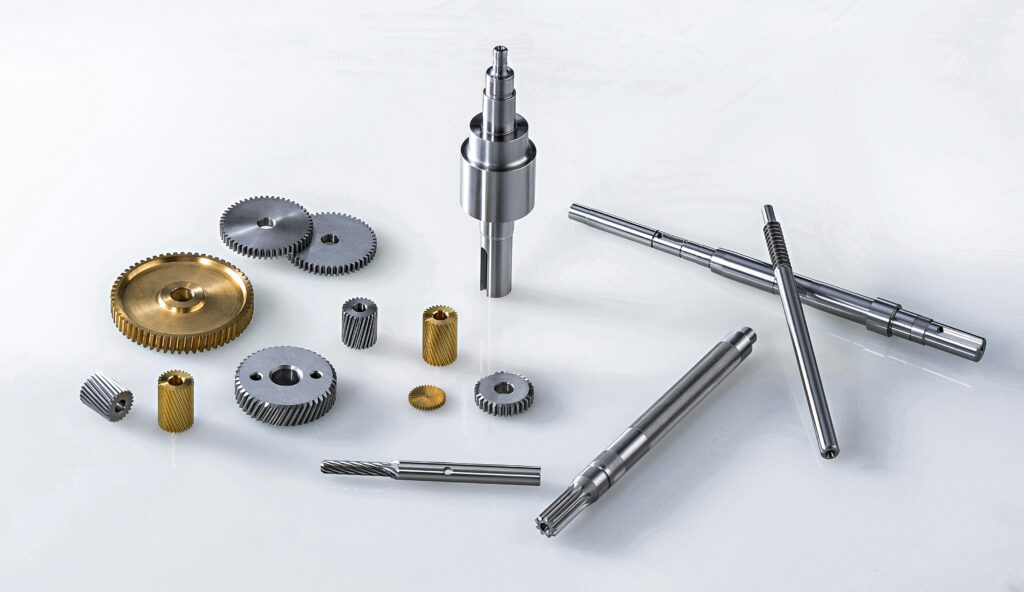
Material-Based Process Selection
We recommend heat treatment methods based on material grade, hardness target and working conditions
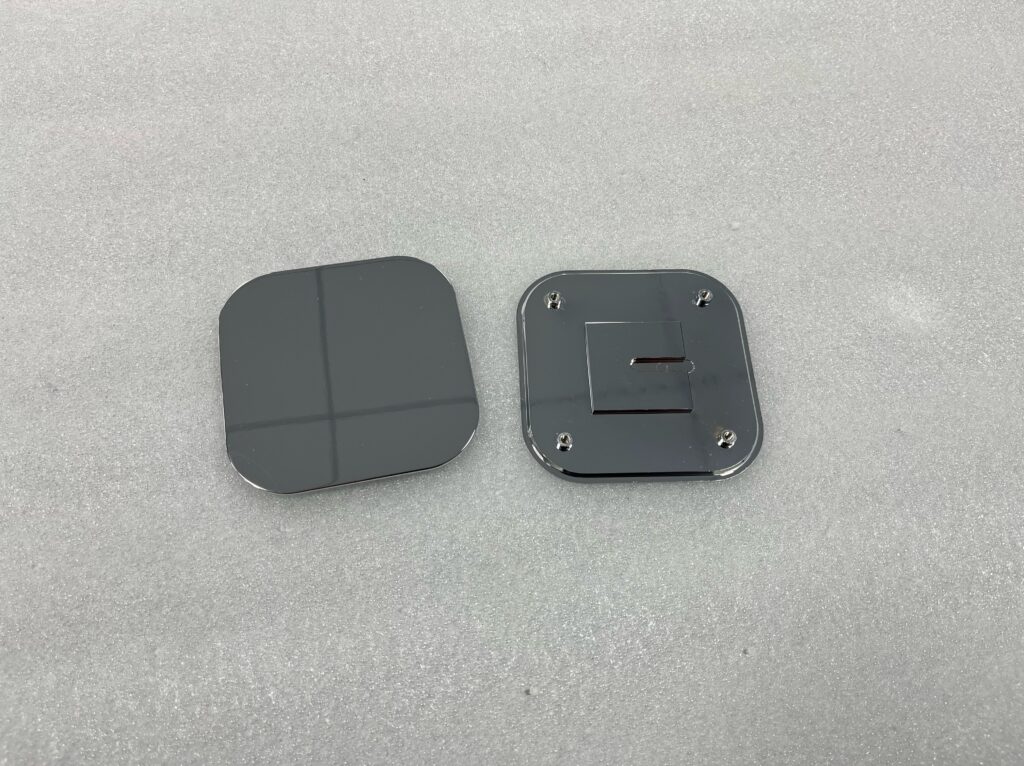
Hardness and Strength Improvement
Heat treatment helps improve hardness, tensile strength, wear resistance and fatigue performance.
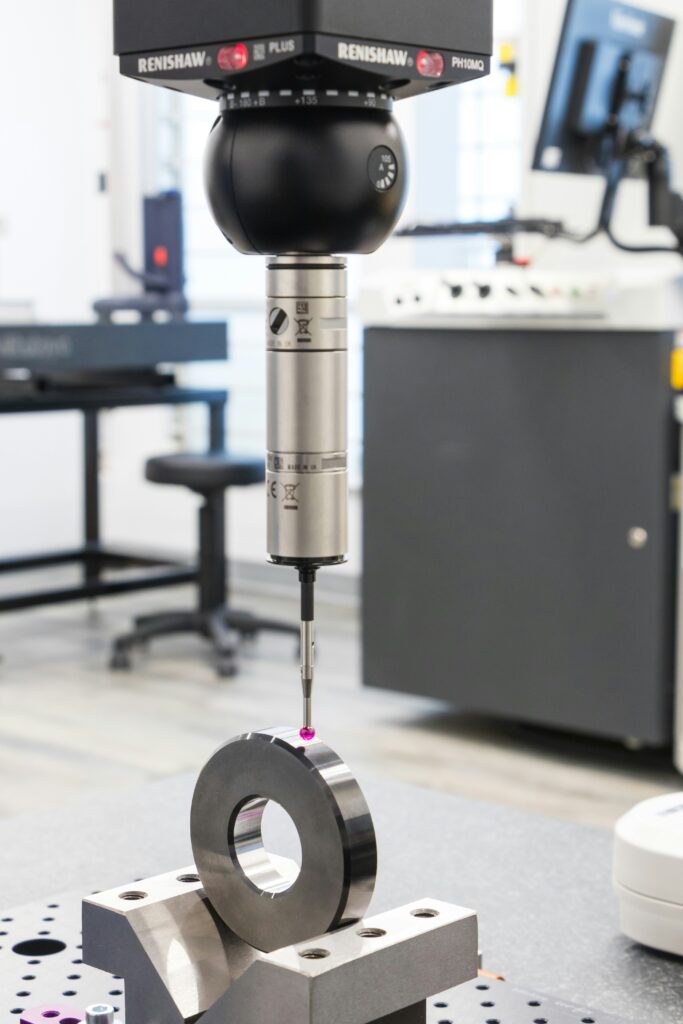
Dimensional Stability Support
We consider deformation risk, part geometry and tolerance requirements before processing.
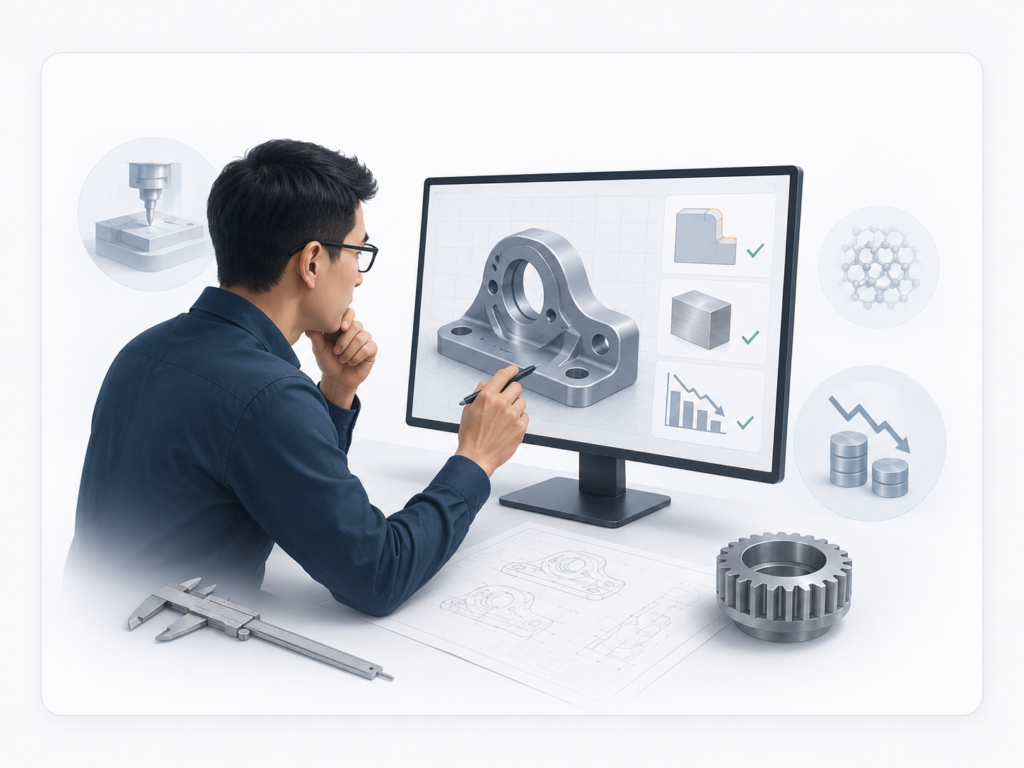
CNC Machining Compatibility
We support heat treatment for precision CNC machined parts, shafts, tooling, brackets and mechanical components.
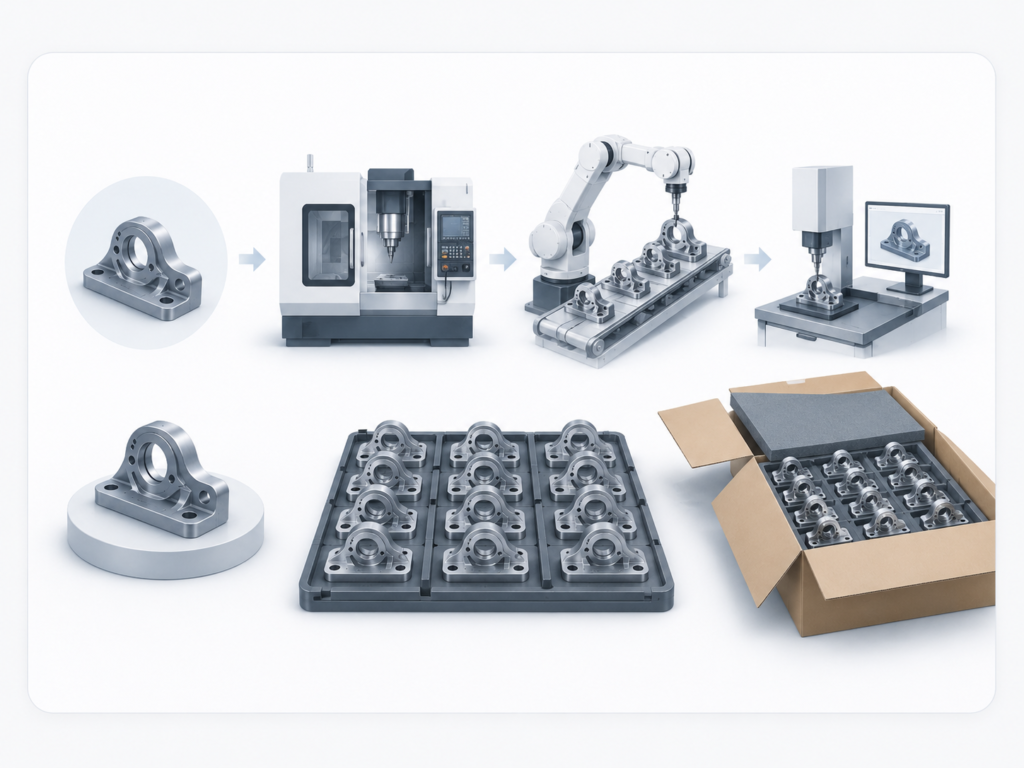
Inspection Support
Hardness testing, appearance checks and dimensional inspection can be provided after treatment.

Prototype to Batch Production
We support both low-volume parts and batch heat treatment requirements for industrial projects.
Metal Heat Treatment Parameters
Key heat treatment capabilities for precision metal parts, including supported materials, process options, inspection methods and typical industrial applications.
| Item | Capability |
|---|---|
| Supported Materials | Carbon steel, alloy steel, stainless steel, tool steel and selected high-temperature alloys |
| Heat Treatment Methods | Quenching, tempering, annealing, normalizing, carburizing, plasma nitriding, gas nitriding, stress relieving and vacuum heat treatment |
| Main Performance Benefits | Improved hardness, strength, toughness, wear resistance, fatigue performance and dimensional stability |
| Hardness Requirements | Processed according to material grade, drawing requirements, target hardness and final application conditions |
| Deformation Control | Part geometry, wall thickness, material condition and tolerance requirements are reviewed before heat treatment to reduce distortion risk |
| Inspection Methods | Hardness testing, visual inspection, dimensional checks and CMM inspection when required |
| Production Type | Prototype, low-volume and batch production support for precision metal parts |
| Typical Applications | Shafts, gears, tooling components, molds, brackets, CNC machined parts and high-load industrial components |
| Drawing Review | STEP, STP, IGS, X_T, PDF, DWG and other common engineering drawing formats are accepted for process review and quotation |
Heat Treatment Services
Heat treatment is used when machined parts require improved hardness, strength, toughness or wear resistance.
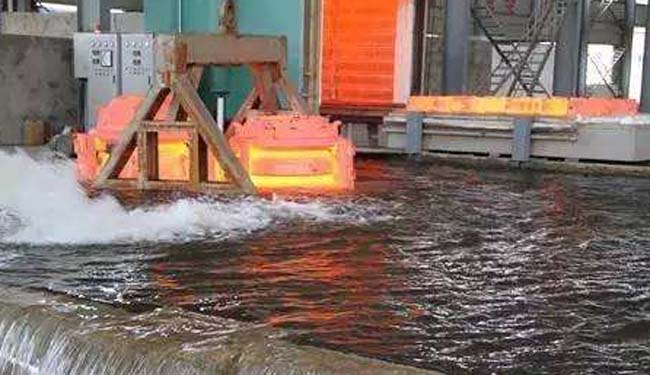
Quenching and Tempering
Improves hardness, strength and toughness for steel parts used in high-load or wear-resistant applications.
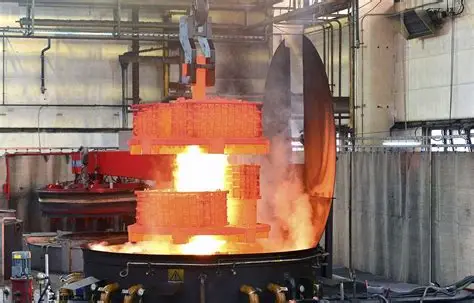
Annealing
Reduces internal stress, improves machinability and helps stabilize metal parts before or after machining.
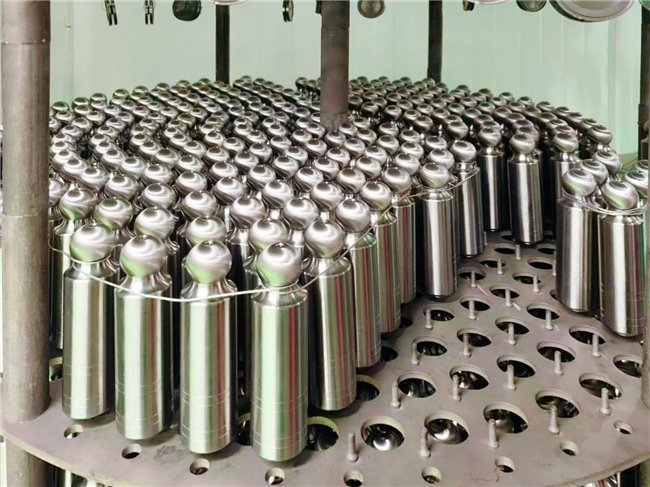
Carburizing
Adds a hardened surface layer to steel parts while keeping the core tough and impact resistant.
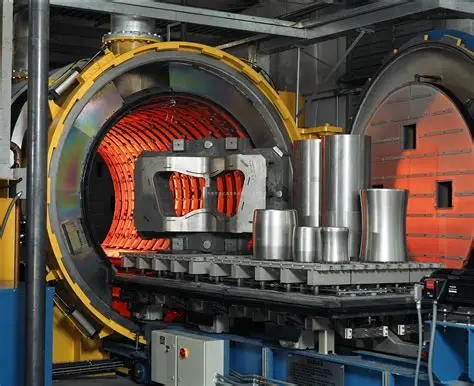
Nitriding
Improves surface hardness, wear resistance and fatigue strength with lower deformation risk.
How Our Metal Heat Treatment Process Works
Our metal heat treatment process follows a controlled workflow from drawing review to final inspection. Each step focuses on material grade, target hardness, deformation risk and mechanical performance for precision metal parts.
-
01
Drawing & Material Review
We review your drawings, material grade, part geometry, tolerance requirements, target hardness and final working conditions.
-
02
Process Recommendation
Our engineers recommend suitable heat treatment methods such as quenching, tempering, annealing, carburizing, nitriding or stress relieving.
-
03
Quotation & Planning
We quote based on material type, part size, batch quantity, hardness target, deformation control needs and inspection requirements.
-
04
Pre-Treatment Preparation
Parts are cleaned, checked and prepared before heat treatment to reduce contamination, surface defects and processing risks.
-
05
Controlled Heat Treatment
We control heating temperature, holding time and cooling conditions to achieve the required hardness, strength, toughness and wear resistance.
-
06
Inspection & Delivery
Finished parts are checked for hardness, appearance and dimensional stability before documentation, packing and delivery.
Machining and Finishing Support
Surface treatment quality starts before finishing. Part structure, machining marks, tolerance allowance and material selection all affect the final result.
CNC Machining
Precision machining for complex metal and plastic components.
5-Axis Machining
Suitable for complex geometries and high-precision parts.
Swiss Machining
Ideal for small, slender and high-precision turned parts.
Die Casting
Aluminum and zinc alloy parts with secondary machining and finishing.
Sheet Metal Fabrication
Cutting, bending, welding and finishing for sheet metal parts.
DFM Support
Engineering suggestions for structure optimization and cost reduction.
Frequently Asked Questions
Answers to common questions about surface finishing and heat treatment services.
What metals cannot be heat treated?
While almost all metals can be annealed (softened) or stress-relieved, many cannot be hardened or strengthened through thermal treatments. A metal’s ability to be heat-treated depends entirely on its specific crystal structure and chemical composition.
What are the downsides of heat treatment?
Distortion or warping: Parts may change shape due to high temperature and cooling.
Dimensional changes: Tight-tolerance parts may need post-machining.
Cracking risk: Fast quenching can cause stress cracks.
Surface oxidation or scaling: The surface may need cleaning or finishing afterward.
Reduced ductility: Higher hardness can make the part more brittle.
Higher cost and lead time: Extra process, inspection, and sometimes rework.
Material limitations: Not every metal responds well to heat treatment.
What are the four types of heat treatment for steel?
| Type | Purpose |
|---|---|
| Annealing | Softens steel, improves machinability, and reduces internal stress. |
| Normalizing | Refines grain structure and improves strength and toughness. |
| Hardening | Increases hardness and wear resistance through rapid cooling. |
| Tempering | Reduces brittleness after hardening and improves toughness. |
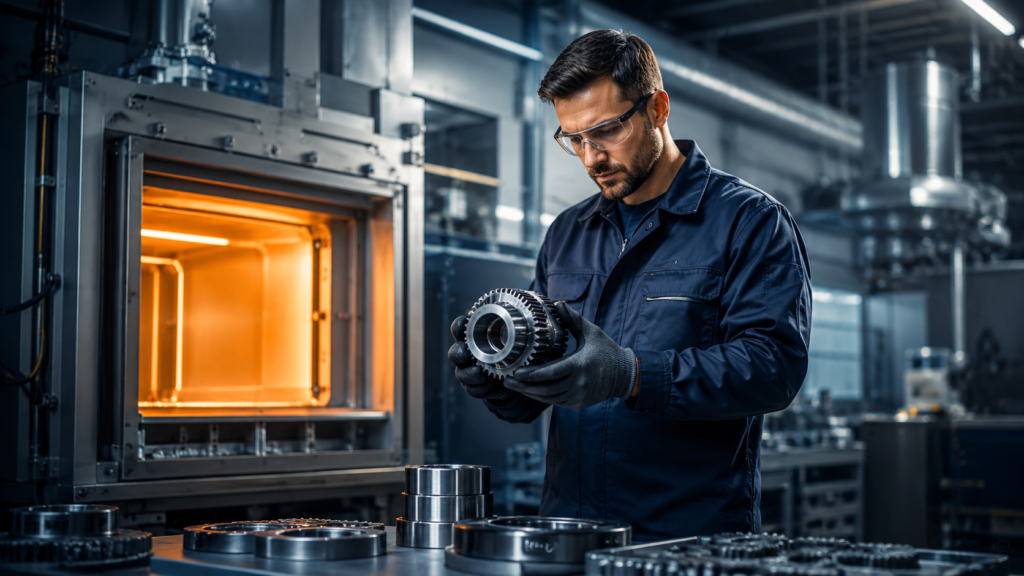
Need Surface Finishing or Heat Treatment for Your Parts?
Send us your drawings, material requirements and finishing specifications. Our team will review your project and provide a professional quotation.