
Service Type
We provide PVD vacuum coating services for CNC machined parts, stainless steel components, titanium parts, tool steel parts, tungsten carbide parts and precision metal assemblies.
Enhance the performance, durability, and appearance of your precision components with our high-performance PVD coating services. Our advanced coatings improve surface hardness, wear resistance, corrosion resistance, color stability, and product lifespan while delivering a smooth, premium-quality finish.
Ideal for automotive, aerospace, medical, electronics, tooling, and high-end consumer products. We also review surface preparation, masking areas, critical dimensions, and assembly requirements before coating.
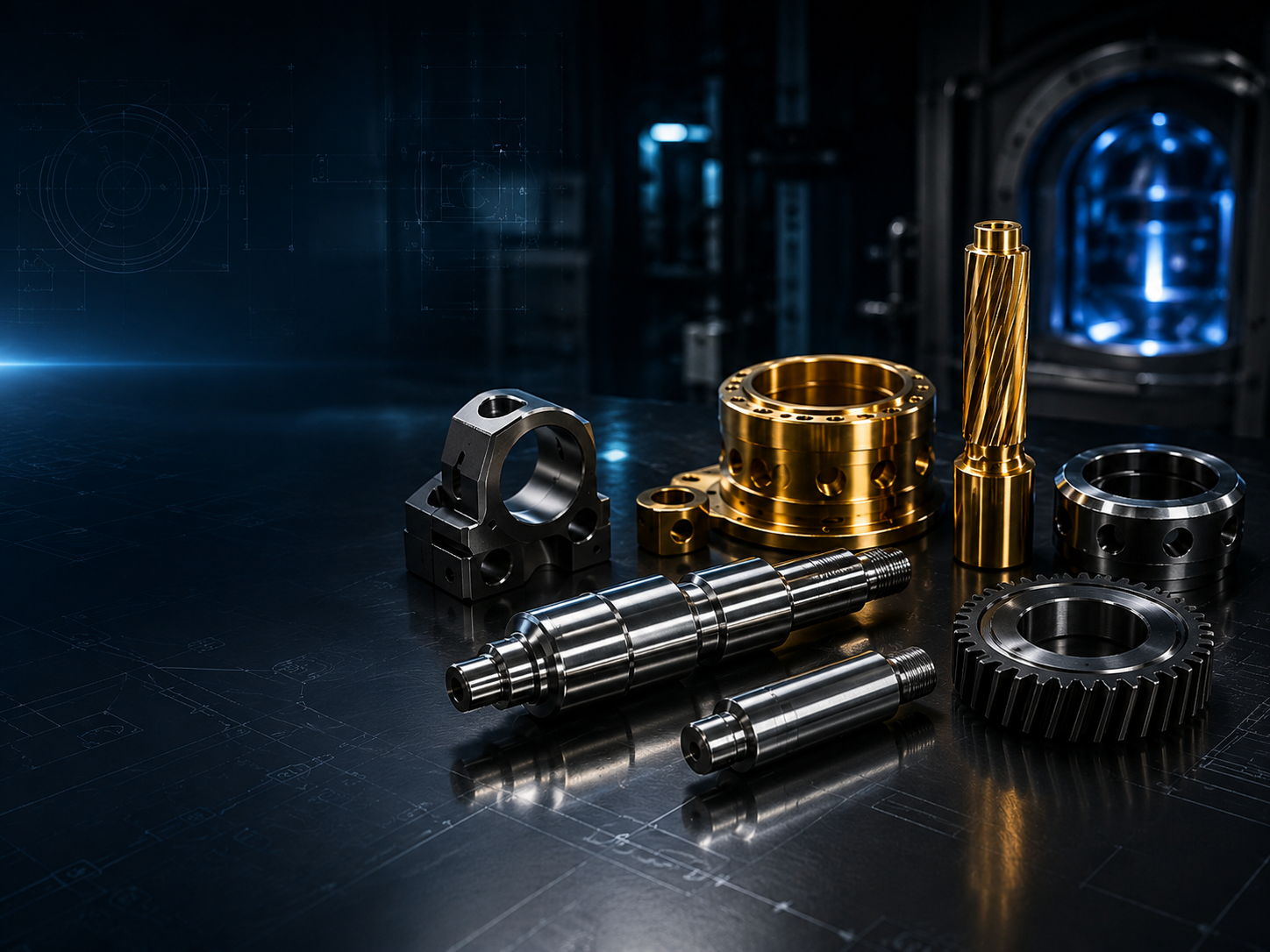
PVD vacuum coating is used to improve surface hardness, wear resistance, corrosion resistance, color stability and premium appearance of precision metal parts, molds, tools and CNC machined components.
We provide PVD vacuum coating services for CNC machined parts, stainless steel components, titanium parts, tool steel parts, tungsten carbide parts and precision metal assemblies.
Suitable materials include stainless steel, tool steel, mold steel, tungsten carbide, titanium alloy and selected precision metal parts.
Common coatings include PVD titanium coating, TiN coating, rose gold PVD, black PVD, decorative PVD and functional PVD coatings.
Polishing, brushing, sandblasting, cleaning, degreasing and masking can be arranged according to the required surface effect.
We review coating adhesion, color consistency, visible surfaces, masking areas, critical dimensions, surface defects and batch quality before delivery.
Used for precision molds, cutting tools, medical parts, luxury hardware, appearance parts, CNC components and industrial equipment.
PVD vacuum coating, also known as Physical Vapor Deposition coating, is a surface treatment process that deposits a thin and durable coating onto metal parts inside a vacuum chamber. During the process, coating materials are vaporized and bonded to the surface of the part, forming a hard, stable and wear-resistant film.
PVD coating is commonly used when metal parts need better surface hardness, improved wear resistance, corrosion protection, color stability or a high-end decorative finish. Common PVD finishes include titanium coating, TiN coating, rose gold PVD coating, black PVD coating and other decorative or functional vacuum coatings.
Compared with conventional decorative surface finishes, PVD coating offers stronger surface performance and better long-term appearance stability. It is widely used for precision molds, cutting tools, medical components, high-end decorative parts, precision appearance parts and CNC machined metal components.
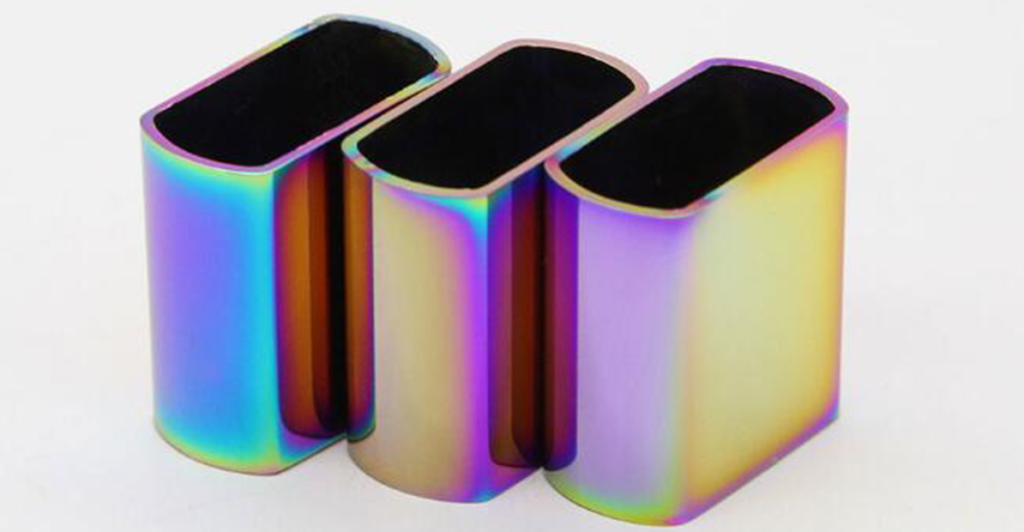
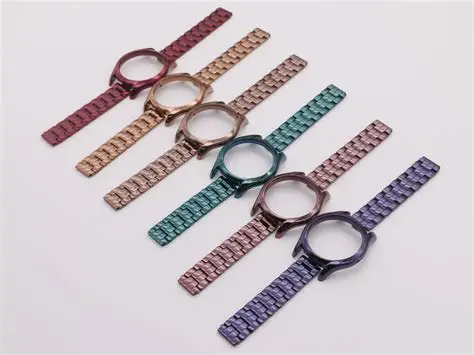
We provide PVD coating support for CNC machined parts, stainless steel components, titanium parts, tool steel parts, tungsten carbide parts and precision metal assemblies.
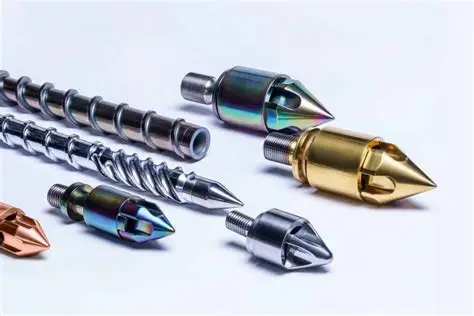
Our PVD coating options can improve wear resistance, corrosion resistance, surface hardness and appearance quality for both functional and visible components.
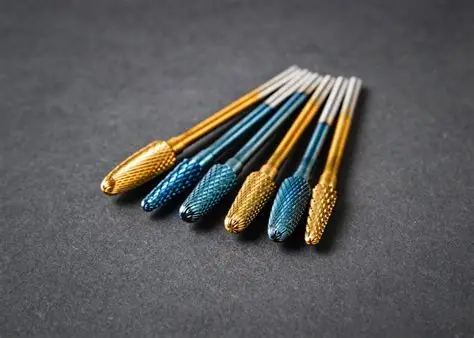
PVD finishes such as titanium gold, rose gold, black and TiN coating provide strong color stability and are suitable for high-end appearance parts.
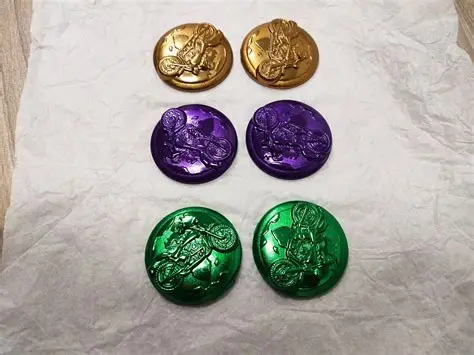
We can support polishing, brushing, sandblasting, cleaning and pre-treatment before coating to help achieve the required final surface effect.
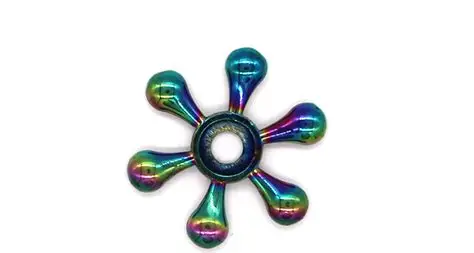
Before production, we review threaded holes, contact surfaces, fitting areas, masking zones and tolerance-sensitive features to reduce coating-related risks.
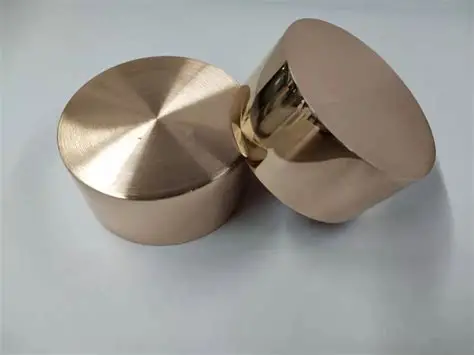
From CNC machining and surface preparation to PVD coating and quality inspection, we help customers simplify supplier management and improve project consistency.
The following parameters apply to common PVD coating projects for precision metal parts. Final coating type, color, thickness and surface performance should be confirmed based on material, part structure, surface preparation and application requirements.
| Item | Details |
|---|---|
| Suitable Materials | Steel, stainless steel, brass, copper, aluminum, zinc alloy and other metals |
| Plating Types | Nickel plating, zinc plating, chrome plating, copper plating, tin plating |
| Common Finishes | Bright, matte, semi-bright, decorative, functional and corrosion-resistant finishes |
| Typical Thickness | Custom coating thickness available according to drawing and application requirements |
| Pre-Treatment Options | Cleaning, degreasing, polishing, sandblasting, brushing and activation |
| Main Benefits | Corrosion resistance, wear resistance, conductivity, solderability and improved appearance |
| Key Considerations | Coating thickness, adhesion, masking, threads, holes and mating surfaces |
| Supported Parts | CNC machined parts, sheet metal parts, stamped parts, fasteners, connectors and housings |
| Industries | Automotive, electronics, medical devices, robotics, aerospace and industrial equipment |
| File Formats | STEP, STP, IGES, X_T, SLDPRT, PDF, DWG |
We provide PVD coating services based on material type, surface finish requirement, product function and final application. The right coating should be selected according to hardness, wear resistance, corrosion resistance, color, surface texture and assembly requirements.
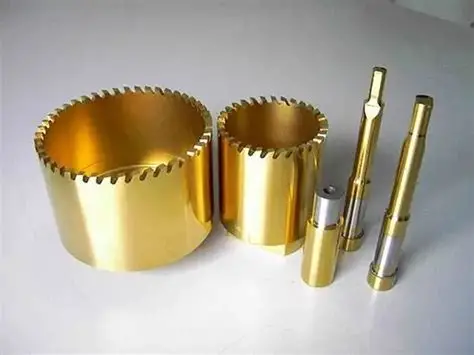
PVD titanium coating is commonly used to improve surface hardness, wear resistance and metallic appearance. It is suitable for precision metal parts, molds, tools and high-end decorative components.
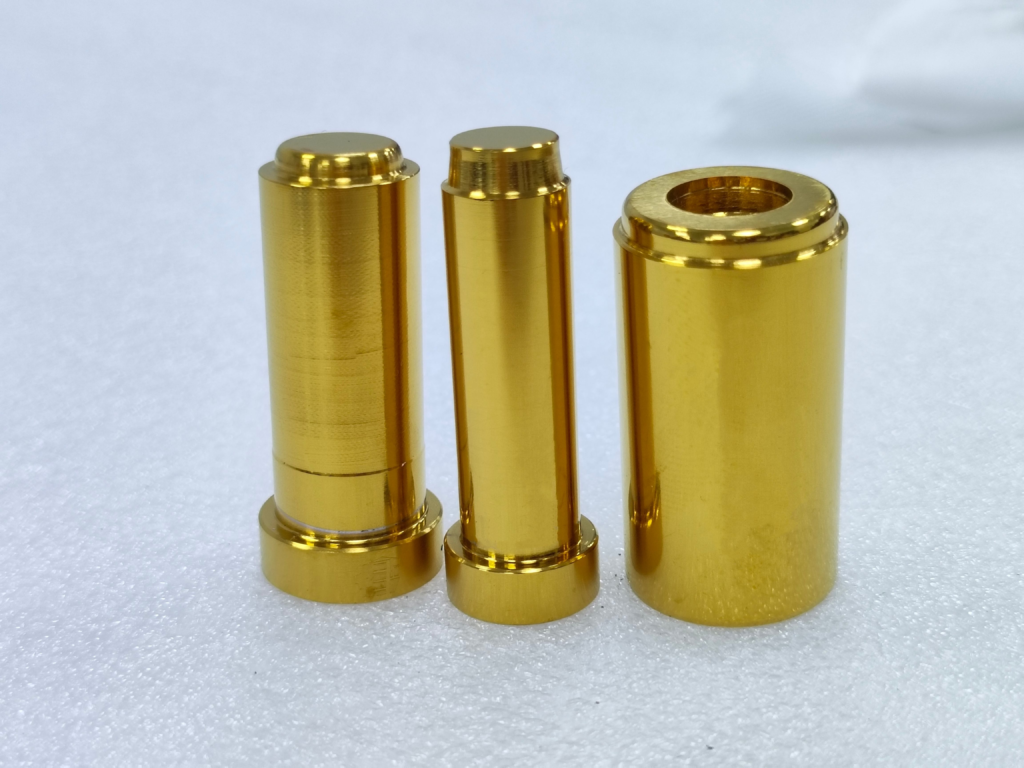
TiN coating provides a gold-like appearance and strong surface hardness. It is often used for cutting tools, precision components, wear-resistant parts and decorative metal products.
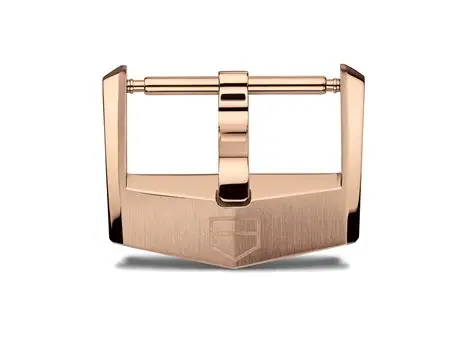
Rose gold PVD coating is suitable for high-end decorative parts, consumer products, luxury hardware, appearance components and custom metal products requiring a premium finish.
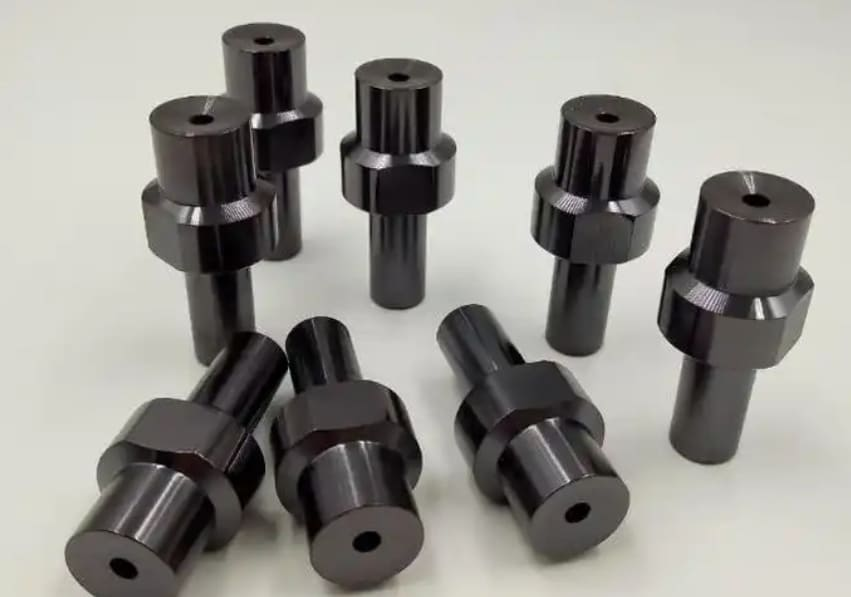
Black PVD coating provides a clean, modern and durable surface finish for stainless steel parts, medical components, equipment panels, hardware and precision appearance parts.
Our PVD coating process follows a controlled workflow from drawing review to machining, surface preparation, cleaning, vacuum coating, cooling, inspection and packaging for precision metal parts.
We review the part material, coating type, color requirement, visible surfaces, masking areas, threads, contact areas, tolerances and final application.
The parts are CNC machined, deburred and prepared through polishing, brushing, sandblasting or cleaning according to the required surface effect.
Parts are cleaned and degreased to remove oil, dust, fingerprints and surface contamination before entering the vacuum coating process.
The parts are placed in a vacuum chamber where the coating material is vaporized and deposited onto the surface under controlled process conditions.
After coating, the parts are cooled and carefully handled to protect the finished surface from scratches, stains and impact damage.
We inspect coating appearance, color consistency, surface defects, masking areas, critical dimensions and batch quality before final packaging.
In addition to PVD vacuum coating, we also provide CNC machining and surface preparation support for custom metal parts. This helps customers manage quality from machining to final surface finish with fewer suppliers and better process control.
We support CNC milling, CNC turning and complex machining for stainless steel, titanium alloy, tool steel, brass, aluminum and other metal parts.
Polishing improves surface smoothness and brightness before PVD coating, especially for decorative parts and mirror-like finishes.
Brushing creates a directional metal texture and is suitable for panels, housings, covers and visible precision parts.
Sandblasting creates a uniform matte texture and helps improve the final visual consistency of coated metal parts.
We review non-coated areas, holes, threads, fitting surfaces and assembly zones to reduce coating-related fit problems.
Our team evaluates how PVD coating may affect appearance, handling, masking, surface texture, assembly and final product performance.
PVD coating is used to improve surface hardness, wear resistance, corrosion resistance, color stability and appearance. It is commonly applied to precision molds, cutting tools, medical parts, decorative hardware and CNC machined metal components.
PVD stands for Physical Vapor Deposition. It is a vacuum-based coating process that deposits a thin and durable film onto the surface of metal parts.
PVD coating is commonly suitable for stainless steel, tool steel, mold steel, tungsten carbide, titanium alloy and selected precision metal parts. The final suitability should be confirmed according to material grade and surface condition.
Yes. PVD titanium coating provides high hardness, wear resistance, corrosion resistance and stable color performance when applied to suitable materials with proper surface preparation.
Common PVD coating colors include titanium gold, rose gold, black, silver, bronze, rainbow and other custom decorative colors. Final color depends on coating type, material and surface preparation.
PVD coating is usually thin, but it may still affect tight-tolerance areas, contact surfaces, threaded holes and precision fits. Critical dimensions should be marked clearly on the drawing before coating.
Polishing is recommended for bright or mirror-like decorative finishes. For matte or textured effects, brushing or sandblasting may be more suitable.
Yes. We can support CNC machining, deburring, polishing, brushing, sandblasting, cleaning, PVD coating and inspection as an integrated manufacturing solution.
Please provide 3D CAD files, 2D drawings, material grade, quantity, coating type, color requirement, surface finish requirement, visible surfaces, masking areas and critical dimensions.
Yes. We support prototype, low-volume and production PVD coated metal parts. For appearance-critical parts, sample confirmation is recommended before batch production.
Upload your CAD files today. Our engineering team will review your material, part structure, coating type, color requirement, surface finish, masking areas and critical dimensions, then provide practical DFM feedback and a fast quotation.