
- Profit Machining October Offer: Free Prototyping Up to $200 to Accelerate Your R&D.
- Upload Your CAD Today!
Surface finishing solutions for precision metal parts, helping improve surface smoothness, brightness, corrosion resistance, cleanliness and final part performance.
✓ Chemical polishing, electropolishing and passivation options
✓ Suitable for stainless steel, aluminum, copper, brass and selected metal parts
✓ Helps improve surface brightness, cleanliness and corrosion resistance
✓ DFM support for material selection, surface requirements and critical dimensions
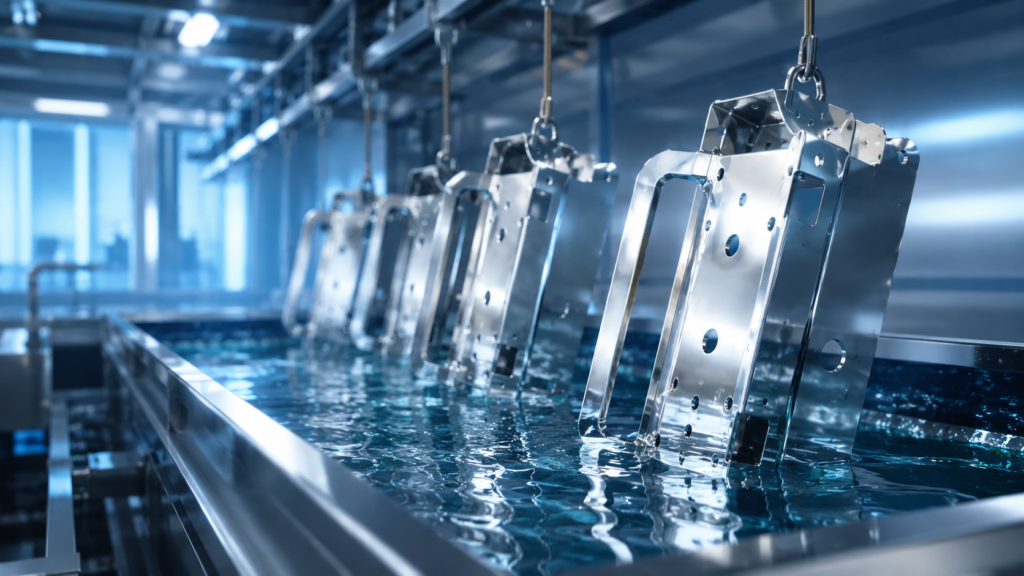
Chemical polishing is a metal surface finishing process that uses a controlled chemical solution to smooth the surface of a part. The process selectively dissolves microscopic peaks on the metal surface, helping improve brightness, reduce roughness and create a cleaner surface appearance.
Unlike manual polishing, chemical polishing can reach complex shapes, internal corners, small holes and areas that are difficult to process by hand. It is commonly used when precision metal parts require smoother surfaces, better visual quality or improved surface condition before further treatment.
Chemical polishing is often used together with electropolishing and passivation. Electropolishing uses an electrochemical process to remove a thin layer from the metal surface, while passivation helps improve corrosion resistance by removing surface contamination and supporting a more stable protective oxide layer.
These processes are commonly applied to CNC machined parts, stainless steel components, aluminum parts, copper and brass parts, medical components, fluid system parts, electronic hardware, precision fixtures and industrial equipment components.
In practical manufacturing language: chemical polishing is for making the surface smoother and cleaner without pretending that sandpaper can magically reach every impossible corner.
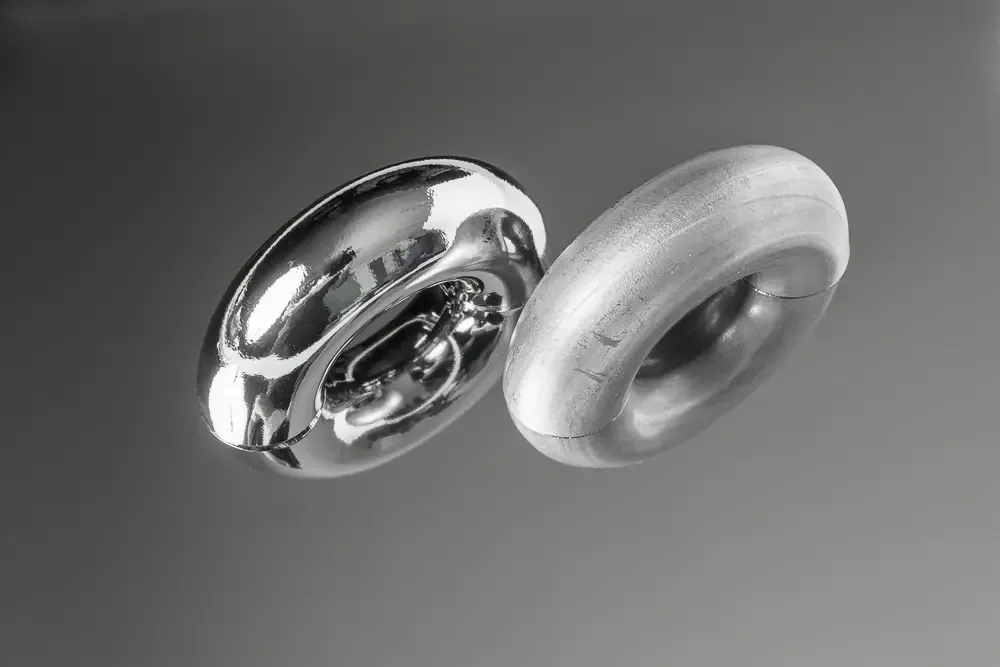
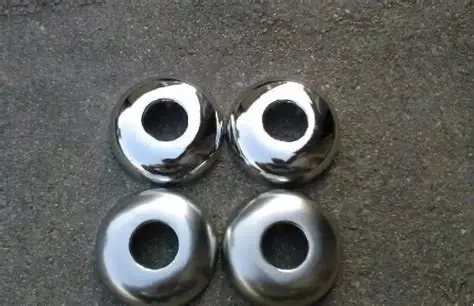
We support chemical polishing, electropolishing and passivation for CNC machined parts, precision components, stainless steel parts, aluminum parts and custom metal products.
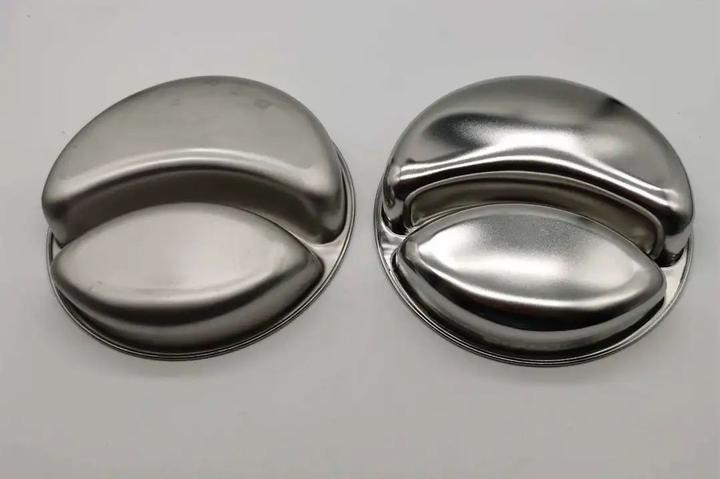
Chemical polishing and electropolishing can reduce microscopic surface peaks, machining marks and roughness to create a smoother and cleaner surface.
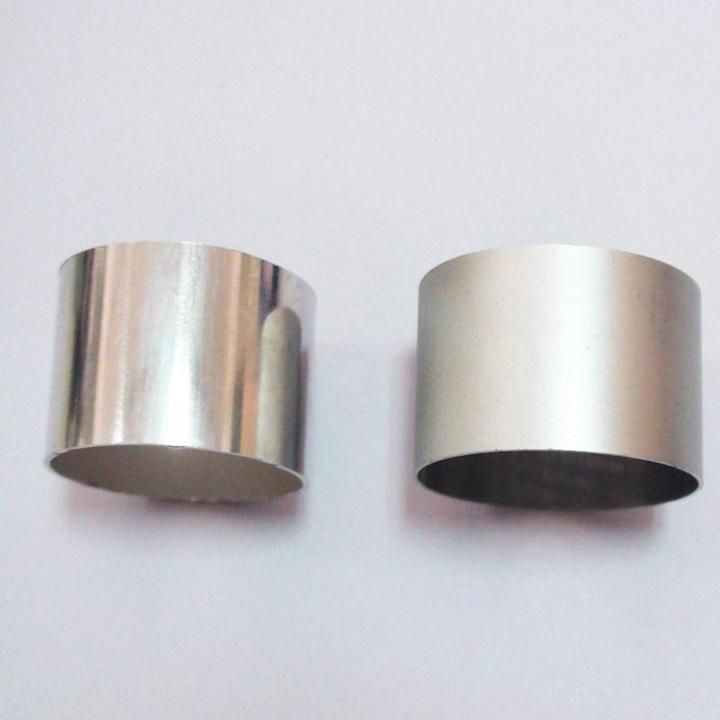
These processes can improve surface brightness and visual quality for selected metal parts that require a cleaner and more refined appearance.
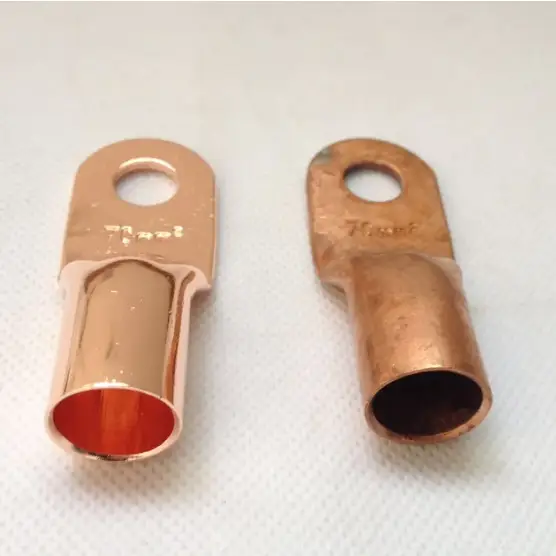
Passivation and electropolishing can help improve corrosion resistance, especially for stainless steel components used in demanding environments.
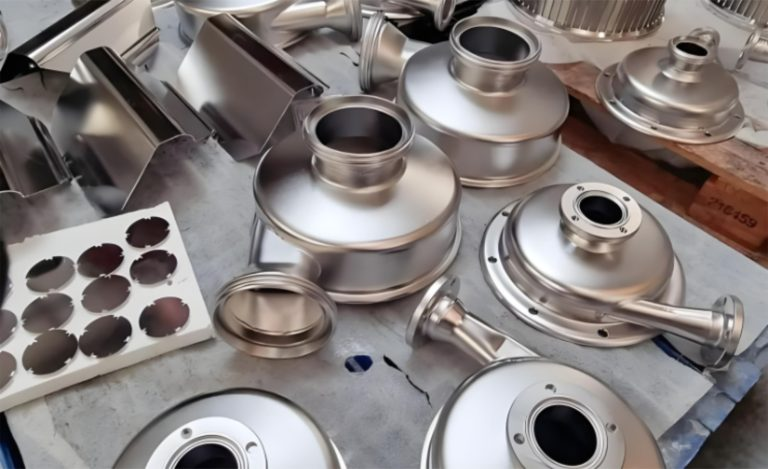
Chemical polishing can reach internal corners, recesses, holes and complex geometries that may be difficult to finish by manual polishing.
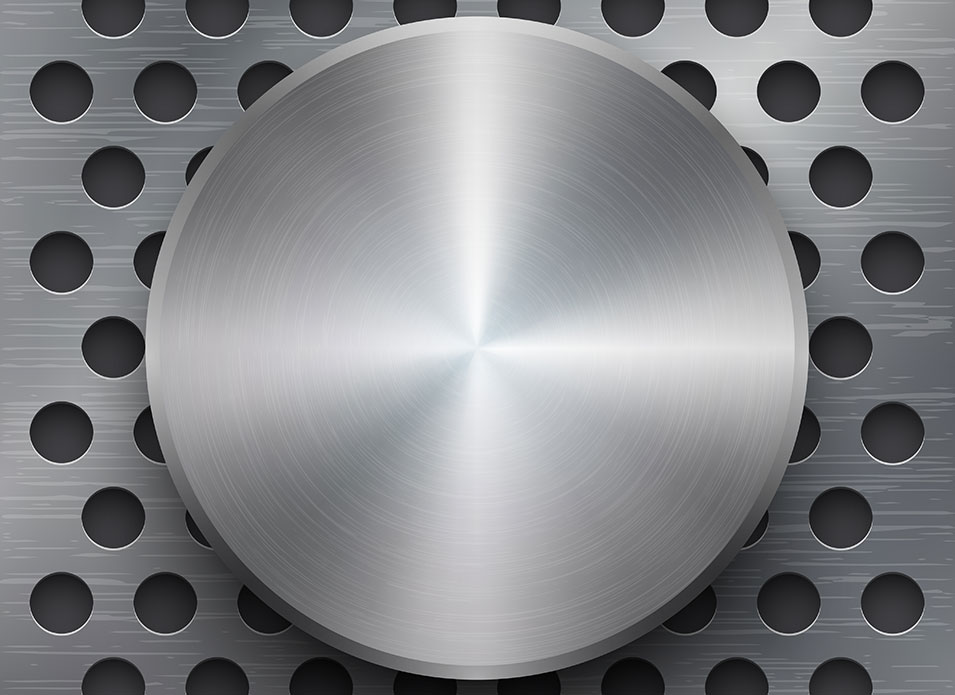
From CNC machining and deburring to chemical polishing, electropolishing, passivation and inspection, we help customers manage the full finishing process.
The following parameters apply to common chemical polishing, electropolishing and passivation projects for precision metal parts. Final process selection should be confirmed based on material, surface condition, part geometry and application requirements.
| Item | Details |
|---|---|
| Process Types | Chemical polishing, electropolishing, passivation, chemical passivation |
| Suitable Materials | Stainless steel, aluminum, copper, brass and selected metal alloys |
| Common Surface Effects | Brightened surface, smoother finish, cleaner appearance and improved surface consistency |
| Main Benefits | Surface smoothing, brightness improvement, contamination removal and corrosion resistance support |
| Supported Parts | CNC machined parts, stainless steel parts, aluminum parts, fluid components, fixtures, fittings and precision metal parts |
| Key Considerations | Material grade, surface condition, dimensional tolerance, sharp edges, holes, threads and corrosion requirements |
| Pre-Treatment Options | Cleaning, degreasing, deburring, rinsing and surface preparation |
| Inspection Focus | Surface brightness, stains, corrosion spots, residues, dimensional change and appearance consistency |
| Common Industries | Medical devices, electronics, robotics, fluid systems, industrial equipment, aerospace and automation |
| File Formats | STEP, STP, IGES, X_T, SLDPRT, PDF, DWG |
We provide chemical polishing, electropolishing and passivation services based on material type, surface roughness, brightness requirements, corrosion resistance needs and final application. The right process should be selected according to part function, geometry, tolerance and downstream assembly requirements.
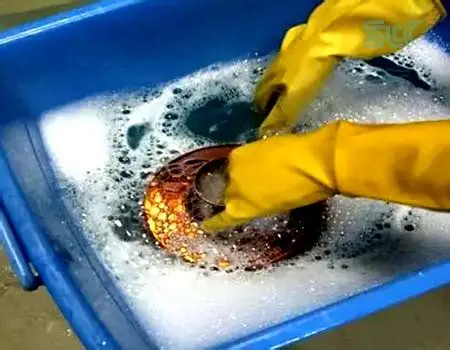
Chemical polishing helps improve surface smoothness and brightness by controlled chemical dissolution. It is suitable for selected metal parts with complex shapes or hard-to-reach areas.
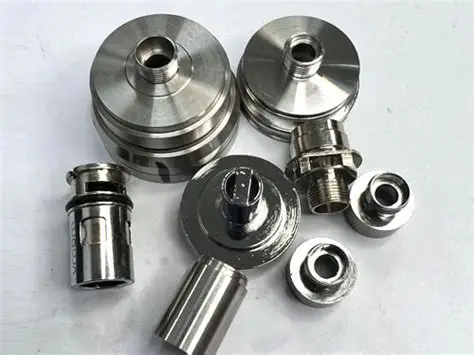
Electropolishing uses an electrochemical process to remove a thin surface layer, improving smoothness, brightness and cleanliness for selected metal components.
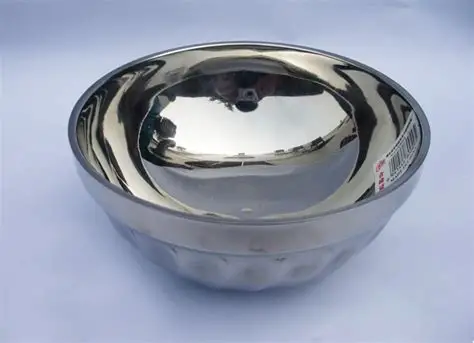
Stainless steel electropolishing is commonly used for parts requiring improved cleanliness, corrosion resistance and a smoother metallic surface.
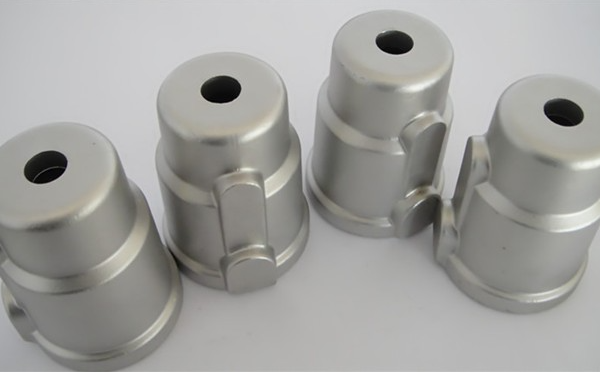
Passivation helps remove surface contamination and improve corrosion resistance for stainless steel and selected metal parts.
Our chemical polishing process is designed to control surface smoothness, cleanliness, corrosion resistance and dimensional impact from engineering review to final delivery.
Send us your 3D CAD files, 2D drawings, material grade, quantity, surface finish requirement, corrosion resistance requirement and any critical dimensions.
Our team reviews part geometry, material type, surface condition, holes, threads, sharp edges, tolerance-sensitive areas and final application requirements.
Based on your part structure and requirements, we recommend chemical polishing, electropolishing, passivation or a combined surface treatment route.
We provide pricing, lead time, finishing notes and production recommendations based on material, part complexity, quantity and surface requirements.
Parts are CNC machined, fabricated or formed according to the drawings, then deburred and cleaned before surface treatment.
Oil, cutting fluid, dust, particles and surface contamination are removed to prepare the part for chemical polishing or electropolishing.
The selected process is applied under controlled conditions to improve surface smoothness, brightness and cleanliness.
Passivation, rinsing, neutralization or additional post-treatment may be applied according to material and corrosion resistance requirements.
We inspect surface appearance, stains, residues, corrosion marks, dimensional impact and batch consistency before protective packaging.
Chemical polishing, electropolishing and passivation are related but not identical processes. Mixing them up is a fast way to make a page sound confident and technically suspicious, which is apparently a popular human hobby.
The material grade, surface condition, geometry and finish requirement are reviewed before processing.
The part is cleaned to remove oil, dust, cutting fluid and surface contamination.
The part is processed in a controlled chemical solution to smooth microscopic surface peaks and improve brightness.
After polishing, the part is rinsed and neutralized to remove chemical residues.
The finished surface is checked for brightness, stains, uneven areas, residues and visible defects.
The part is cleaned and prepared before entering the electropolishing process.
An electrochemical reaction removes a thin surface layer to improve smoothness, brightness and cleanliness.
The part is thoroughly rinsed to remove electrolyte residue and prevent surface contamination.
Depending on the material and application, additional passivation or cleaning may be applied.
The surface is checked for brightness, uniformity, stains, pitting, residue and dimensional impact.
Oil, grease, machining residue and free contaminants are removed from the part surface.
The part is treated to remove surface contamination and improve corrosion resistance.
The part is rinsed and dried to remove chemical residues and moisture.
The surface is inspected for stains, discoloration, corrosion marks and cleanliness.
Finished parts are packed carefully to reduce contamination, scratches and handling damage.
Chemical polishing can be combined with CNC machining, deburring and other surface treatments to improve final appearance, cleanliness and performance.
We support CNC milling, CNC turning and complex machining for custom metal parts that require chemical polishing or electropolishing after machining.
Deburring removes sharp edges and burrs before chemical polishing, helping improve surface consistency and reduce finishing risks.
We support stainless steel surface finishing options including electropolishing, passivation and polishing preparation.
Cleaning and degreasing help remove oil, residue and particles before chemical surface treatment.
Chemical polishing may be combined with passivation or other finishing processes depending on corrosion resistance and appearance requirements.
Our team evaluates how chemical polishing may affect dimensions, sharp edges, threads, holes, surface finish and final assembly.
Common questions about chemical polishing, electropolishing and passivation for precision metal parts.
Chemical polishing is used to improve surface smoothness, brightness and appearance by controlled chemical treatment. It is commonly used for precision metal parts with complex shapes, internal corners or areas that are difficult to polish manually.
Electropolishing is an electrochemical surface finishing process that removes a thin layer from the metal surface to improve smoothness, brightness, cleanliness and corrosion resistance.
Passivation is used to remove surface contamination and improve corrosion resistance, especially for stainless steel parts and selected precision metal components.
Chemical polishing uses chemical reaction to smooth the surface, while electropolishing uses an electrochemical process with electrical current. Both can improve surface smoothness and brightness, but process selection depends on material, geometry and performance requirements.
Chemical polishing can be applied to selected metals such as stainless steel, aluminum, copper and brass. The final suitability depends on material grade, surface condition and required finish.
Yes. Stainless steel electropolishing is commonly used for parts requiring improved smoothness, cleanliness and corrosion resistance.
Yes. Chemical polishing and electropolishing remove a thin layer from the surface, so tight-tolerance areas, holes, threads and precision fitting surfaces should be clearly marked on the drawing.
Chemical polishing can improve surface smoothness and brightness, but it may not fully remove deep scratches, dents or heavy machining marks. These defects may require mechanical polishing or process adjustment before chemical treatment.
Yes. Chemical polishing or electropolishing may be followed by passivation depending on material and corrosion resistance requirements.
Please provide 3D CAD files, 2D drawings, material grade, quantity, surface finish requirement, corrosion resistance requirement, critical dimensions and any reference photos.

Upload your CAD files today. Our engineering team will review your material, part structure, surface finish requirement, corrosion resistance target and critical dimensions, then provide practical DFM feedback and a fast quotation.