Shenzhen China

No. 28, Langrong Road, Xinshi Community, Dalang Subdistrict, Longhua District

+86 15875583127

Response time available, quick quote within 3 hours

Enterprise services

We have efficiently provided satisfactory solutions to over 1000 clients.

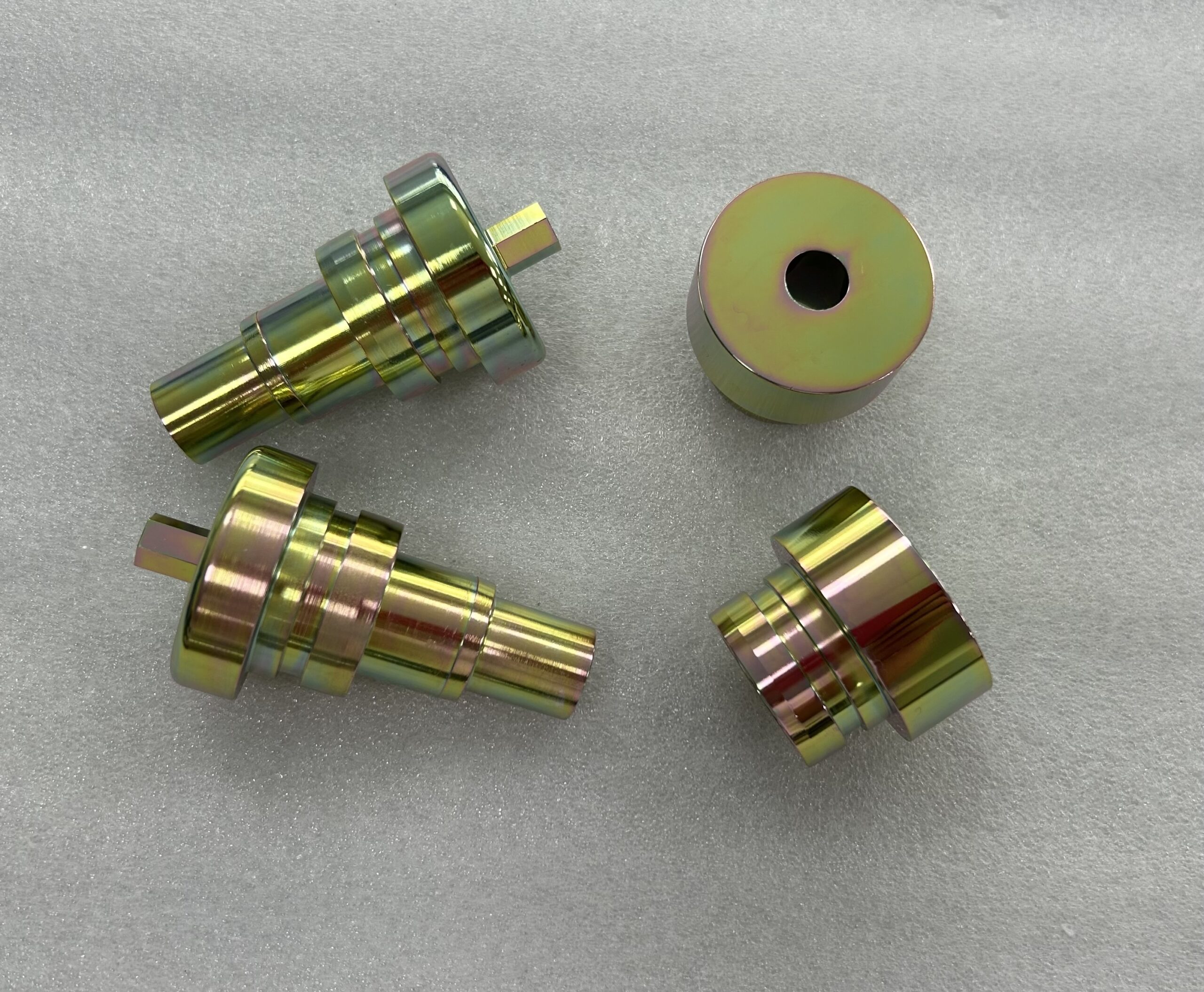
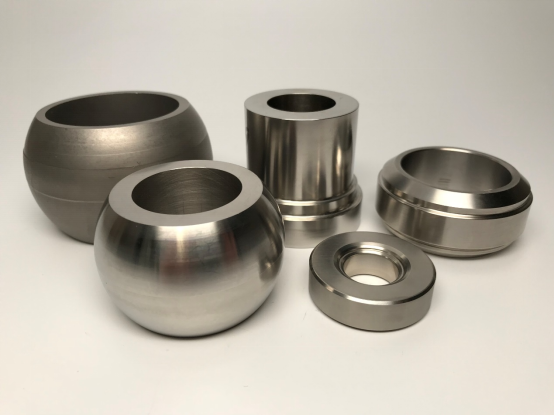
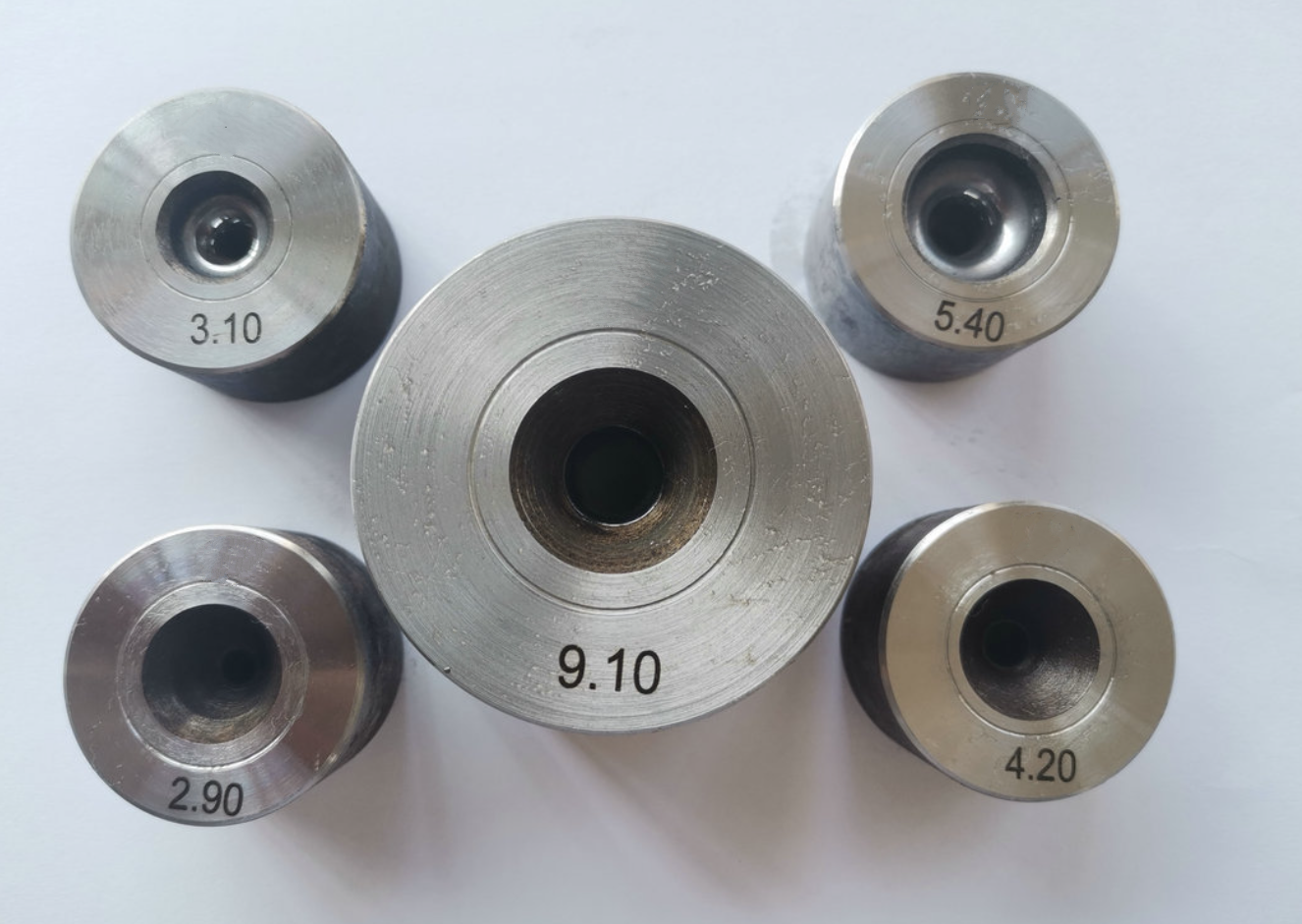
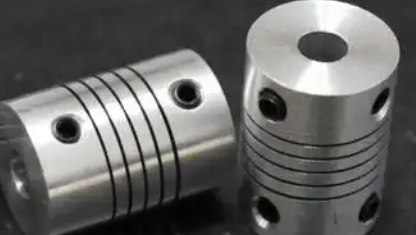
Precision Die Casting Services

High-Volume Aluminum & Zinc Die Casting Solutions for Enterprise Manufacturing

Profit Machining provides turn-key, high-pressure die casting solutions, transforming molten aluminum and zinc alloys into high-integrity, net-shape components. Leveraging automated cold-chamber and hot-chamber die casting cells integrated with advanced CNC post-machining, we support global Tier-1 supply chains from initial tooling development to scale mass production.

✓ ISO 9001:2015 Certified Manufacturing Facility
✓ Tight Tolerances down to ±0.01 mm
✓ Low MOQ: From 1 Piece Only
✓ Rapid Turnaround: Delivery from 3 Days
✓ Comprehensive 100% QC Inspection Reports Included

Quick Facts

ParameterSpecification
SpecificationCasting Tolerance (As-Cast)
Materials OfferedAluminum Alloys (ADC12, A380) & Zinc Alloys (Zamak 3, Zamak 5)
Aluminum Alloys (ADC12, A380) & Zinc Alloys (Zamak 3, Zamak 5)Minimum Order Quantity (MOQ)
Minimum Order Quantity (MOQ)1,000 Pieces (Production Run) / Prototyping Options Available
1,000 Pieces (Production Run) / Prototyping Options AvailableTooling Development Lead Time
Tooling Development Lead Time20 - 30 Calendar Days (Including T1 Samples)
20 - 30 Calendar Days (Including T1 Samples)Quality Audit Standard
Quality Audit Standard100% Visual Check + X-Ray Porosity Analysis
100% Visual Check + X-Ray Porosity AnalysisClamping Force Range
Clamping Force Range180 Tons to 1,600 Tons Large Capacity Cells

What Is High-Pressure Die Casting?

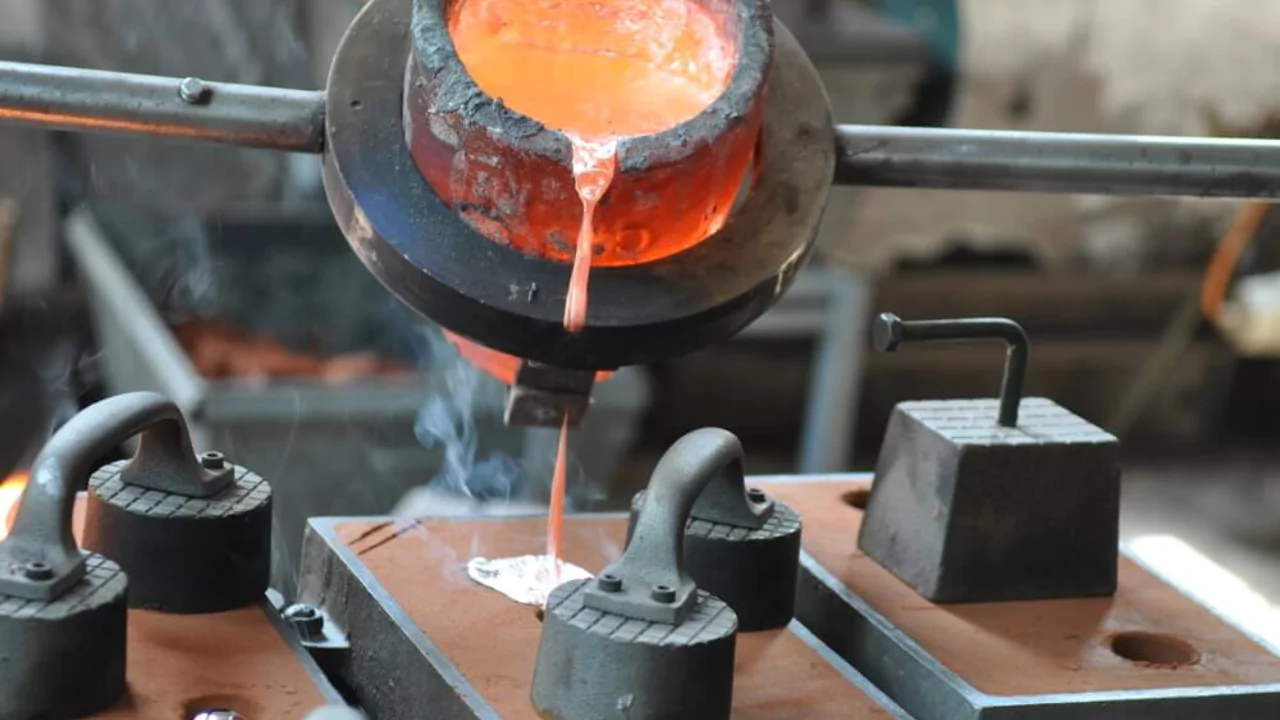
High-pressure die casting is a highly efficient, metal solidification manufacturing process where molten non-ferrous alloys are injected under extreme hydraulic pressure into a reusable, hardened steel mold matrix (die). The liquid metal is forced through a gating runner system at high velocities, completely filling the internal cavities within milliseconds to replicate complex geometries with thin walls and exceptional smooth surfaces. Once solidified, the automated hydraulic system ejects the raw casting. This process minimizes the requirement for heavy post-machining, offering an optimal B2B production channel for automotive housings, electronics enclosures, and structural appliance components demanding long-run manufacturing consistency.

Machining Capabilities

Aluminum High-Pressure Casting

Utilizing automated cold-chamber machines to cast high-strength, lightweight enclosures and cooling heat sinks.

Zinc Hot-Chamber Casting

Fast-cycle injection for micro-precision components with ultra-thin walls and superior cosmetic requirements.

Custom Mold & Tooling Design

In-house mold flow analysis (DFM) and precision tool building with premium H13 tool steel core cavities.

CNC Post-Machining Integration

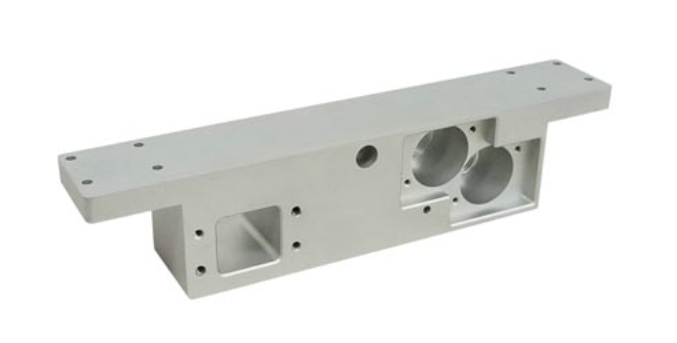
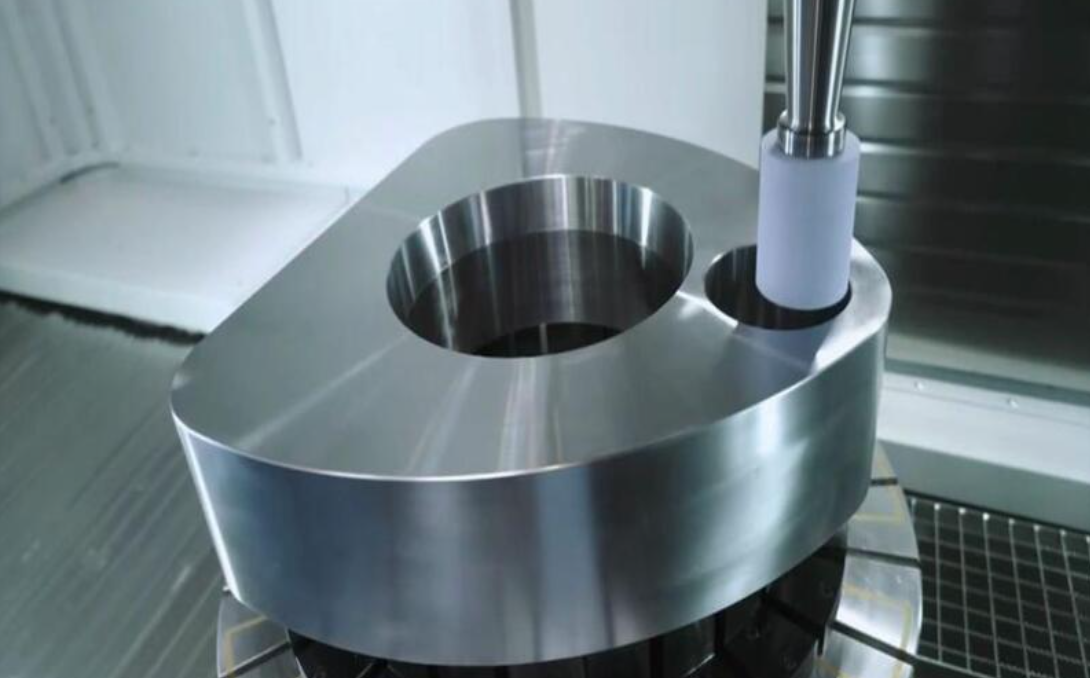
Secondary precision CNC milling, boring, tapping, and turning to secure critical geometric mating tolerances.

Trimming & Shot Blasting

Automated hydraulic trim press operations to remove flashes and gates, followed by media shot blasting.

Leak Testing & Impregnation

Vacuum pressure decay leak verification and resin impregnation to seal micro-porosities for pressure-tight applications.

Materials We Machine

Die Casting Metal Alloys

Aluminum Alloys
A380, A360, A390, ADC12, AlSi9Cu3
Zinc Alloys
Zamak 3, Zamak 5, Zamak 2, ZA-8, ZA-27
Steel Alloys
4140, 4340, Carbon Steel 1018, 1045
Titanium
Grade 2, Grade 5 (Ti-6Al-4V)
Brass & Copper
C360 Brass, Pure Copper, Bronze C932, H59 Brass, H63 Brass
Specialized Exotic Alloys
Inconel 718, Hastelloy, Monel

Material Characterization

POM
Delrin 150, Delrin AF
PEEK
Virgin, PEEK GF30%
ABS
Medical Grade, Flame-Retardant
PTFE (Teflon)
Virgin, Filled Grades
Nylon
Nylon 66, PA6 + MoS2, Glass-Filled
PVC & Polycarbonate
Industrial PVC, Optical Clear PC

High-Precision CNC Tolerances & Verification Metrics

MetricAs-Cast Standard (ISO 8062-CT6)CNC Post-Machined Metric
Linear Dimension±0.1 mm (0.004 in)±0.02 mm (0.0008 in)
Bore/Hole Diameter±0.15 mm (0.006 in)±0.01 mm (0.0004 in)
Flatness Boundary0.25 mm per 100mm span0.05 mm total displacement
Surface Roughness (Ra)Ra 1.6 - 3.2 μmRa 0.8 μm (After Diamond Boring)
Concentricity Limit0.2 mm deviation max0.02 mm precise true alignment

Automotive & EV Supply Chain

Medical Equipment Engineering

Engine blocks, internal structural powertrain mounts, cooling modules, and electric vehicle drivetrain component inverter enclosures.

🏥

Industrial Machinery Infrastructure

Analytical instrument internal brackets, diagnostic imaging device structures, and sterile surgical machine internal hardware frames.

🌐

Robotics & Kinematics Automation

Heavy-duty fluid power valve systems, pump housings, commercial utility structures, and air compressor manifolds.

🤖

Robotics & Tech

High-speed articulated robotic link castings, structural protective shells, multi-axis motor housings, and cobot joint brackets.
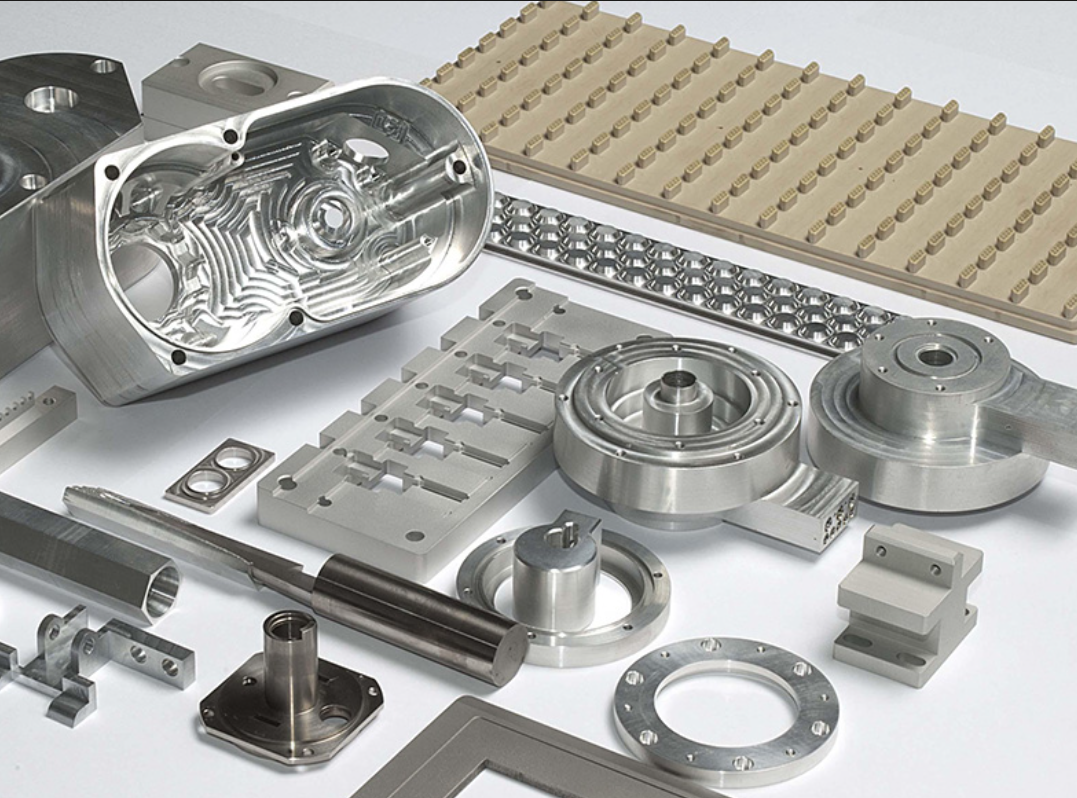
Advanced Machine Fleet & Production Capacity

Machine ClassificationClamping Capacity RangeIn-House Quantity
Cold-Chamber Die Casting Units (Aluminum)250 Tons to 1,600 Tons (LK / Yizumi)8 Automated Lines
Hot-Chamber Die Casting Units (Zinc)80 Tons to 180 Tons Rapid Cycle Cells5 Automated Lines
Vertical CNC Machining CentersHigh-Torque Spindles with Tool Changers20 Production Stations
Dual-Spindle CNC LathesIntegrated Live Tooling for Threading12 Production Stations
Industrial X-Ray Inspection MachineReal-Time Non-Destructive Digital Metrology2 Dedicated Enclosures

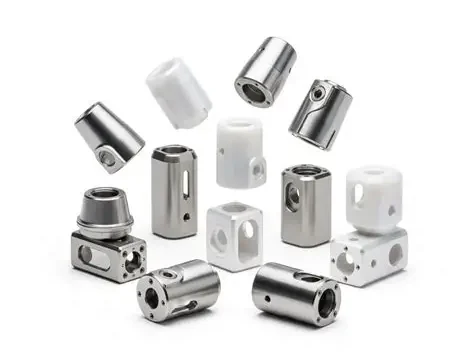
Aluminum Cast Enclosures

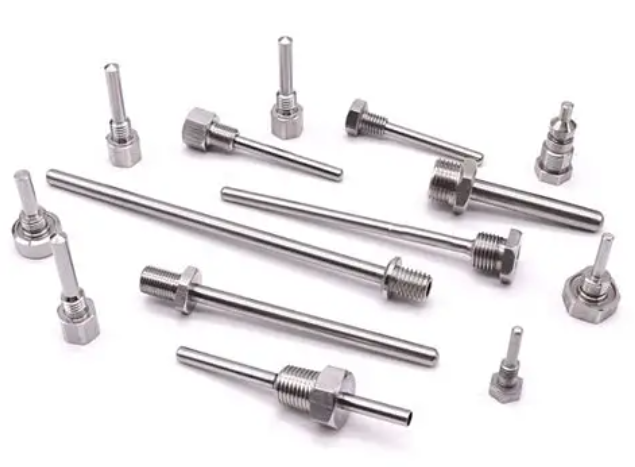
Zinc Micro Components

Structural heavy gearboxes, alternator housings, and specialized outdoor LED power lighting covers.
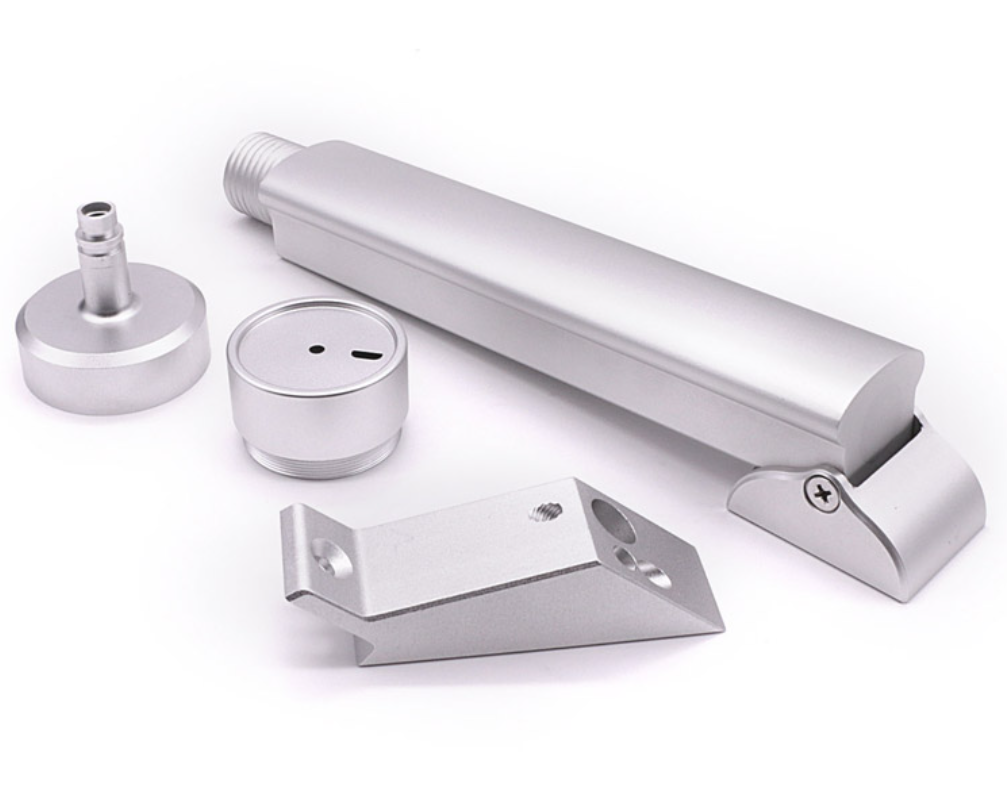
Medical Diagnostic Housings

High-definition consumer electronics interior brackets, intricate hinge connectors, and luxury optical hardware frames.
Robot Actuator Mounts

Biocompatible centrifuge rotor mount chassis and diagnostic device base shields.
Automotive Engine Parts

Multi-axis articulated links, high-torque industrial servo shells, and precision structural wrist plates.
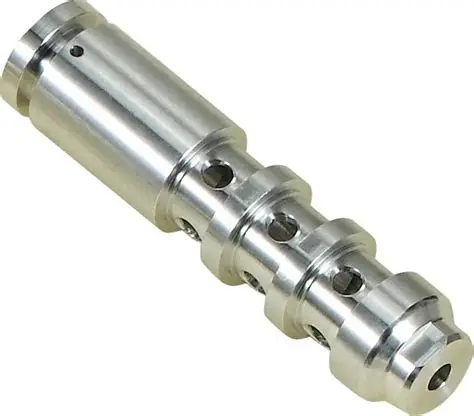
Industrial Pump Valve Bodies

Complex intake manifolds, oil pans, timing chain covers, and EV structural battery brackets.
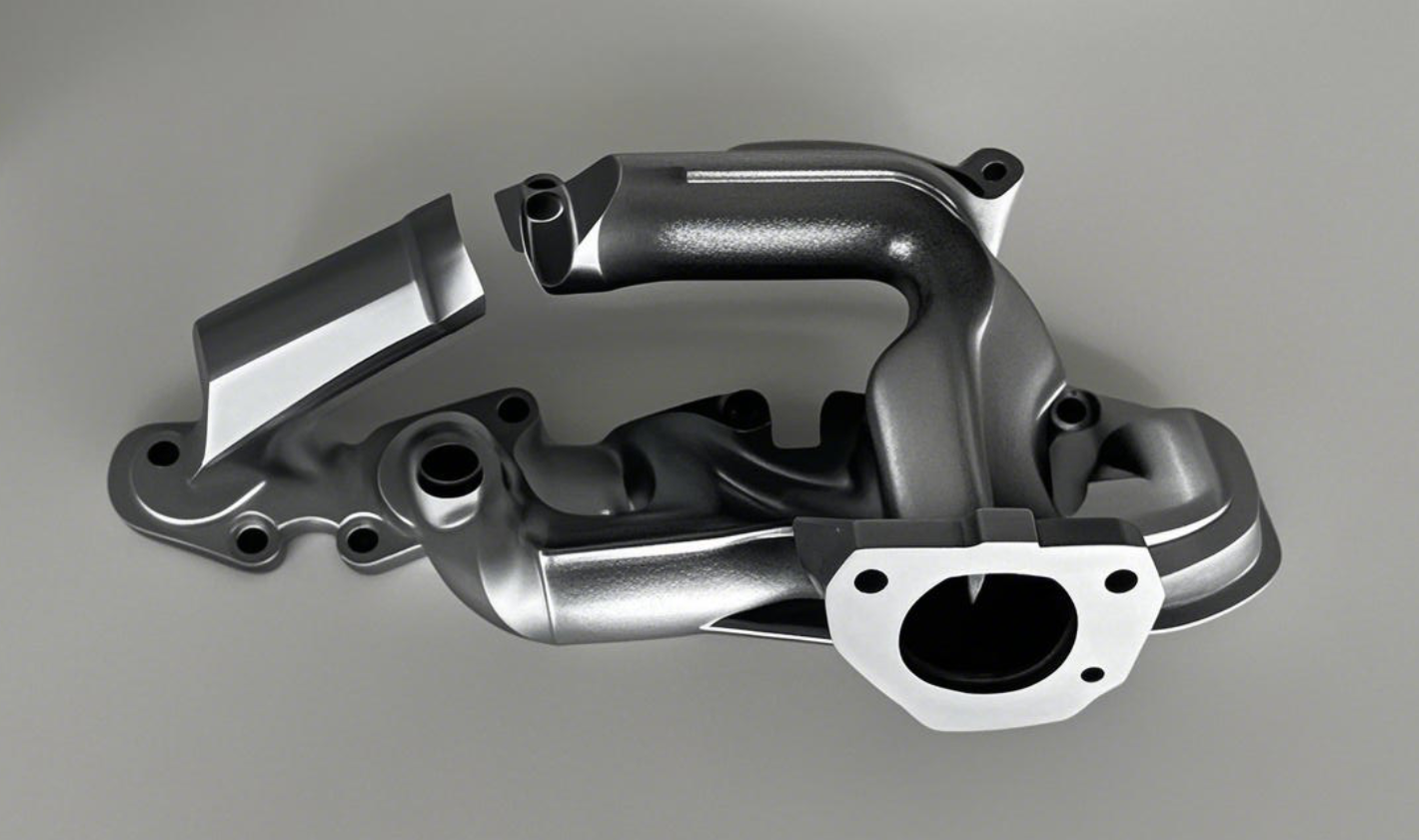
Industrial Components

Multi-port fluid hydraulic bodies, high-pressure pneumatic regulator boxes, and heavy impellers.

Our Streamlined 6-Step Process

01 3D Model Submission

Client uploads complex parametric 3D models (STEP, IGES) into our secure B2B pricing gateway.

02 Mold Flow Simulation (DFM)

Casting engineers perform dynamic fluid fills analysis to spot potential cold welds, air gas pockets, or filling errors.

03 Tooling Quote Agreement

Finalization of mold specifications (Tool life tiers, steel options, cavity count) and unit economics price framework.

04 T1 Sample Validation

Production of initial sample parts from the newly cut H13 tool die for full-dimensional CMM verification and client sign-off.

05 Automated Production Runs

Deployment of automated ladling, spraying, and ejection casting cells to maintain uniform thermal conditions.

06 Secondary Precision CNC Machining

Precision milling and drilling of cast structures to align mounting faces with strict geometric tolerances.

07 100% Quality Auditing

Real-time radiographic X-ray porosity mapping alongside visual checks to secure high-integrity outputs.

08 Heavy Packing & Seafreight Logistics

Parts are preservation-oiled, wrapped, packed into heavy-duty customized marine crates, and shipped with complete custom entry documents.

Turnaround Commitments & Scalable Fleet Capacity

Project Phase Order Volume Promised Lead Time
Rapid Prototyping1 - 5 Pieces3 - 5 Calendar Days
Small Batch10 - 100 Pieces7 - 10 Calendar Days
Mass Production500 - 5,000+ Pieces15 - 25 Calendar Days
Urgent ExpeditedCustomAvailable upon Request

Certified Manufacturing Standards & Global Trade Compliance

ISO 9001:2015

International Standard Quality Management System Certification
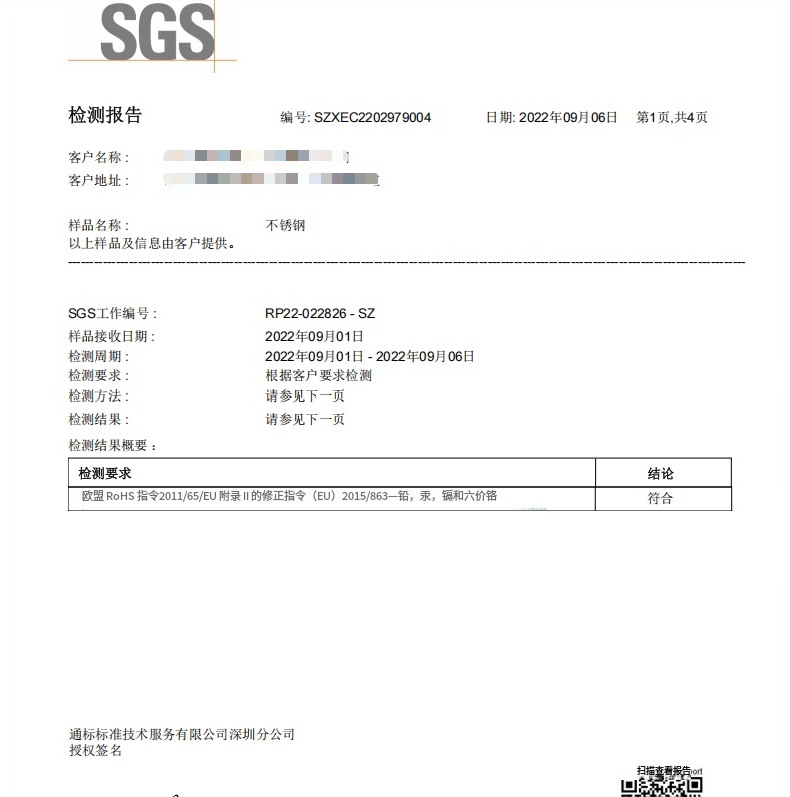
SGS Verified

On-site audited factory asset evaluation
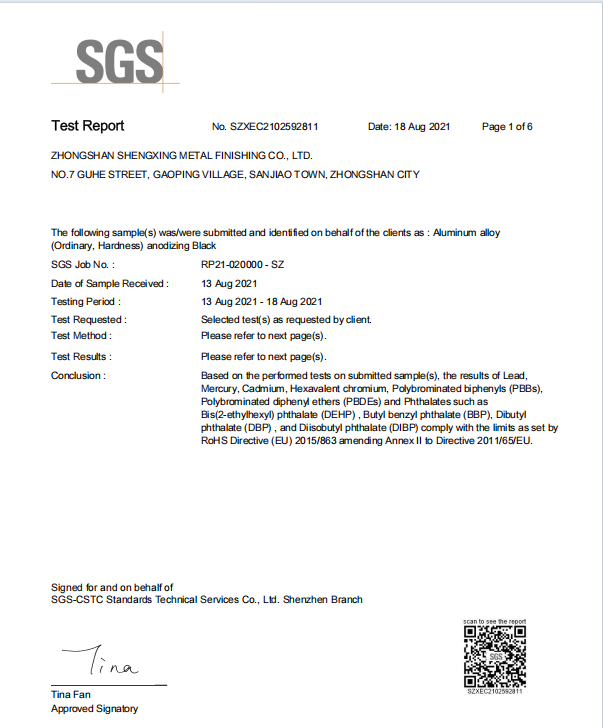
RoHS Compliant

EU non-hazardous substance directives
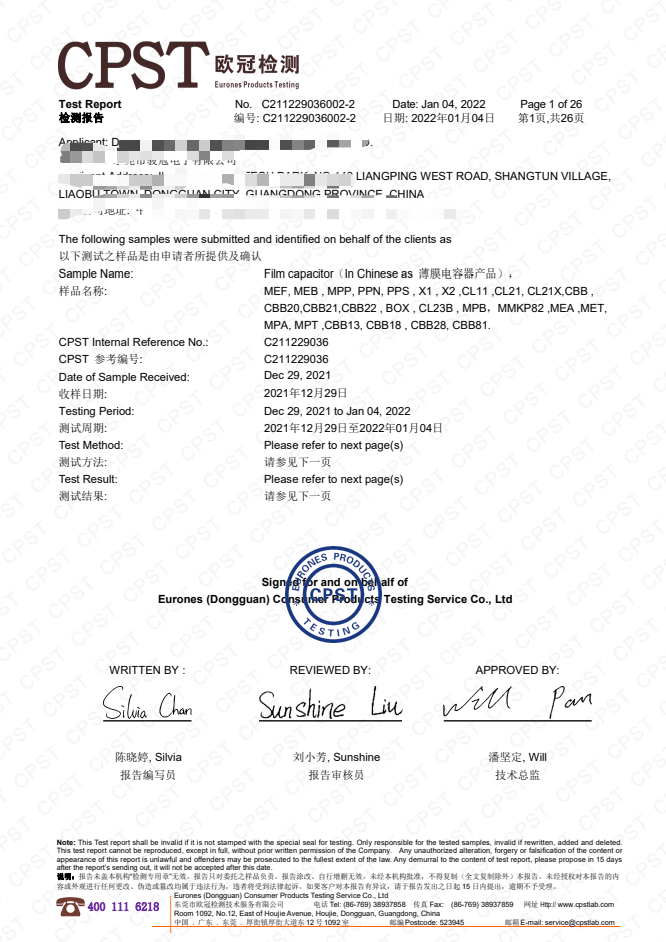
REACH Conformity

Safe from Substances of Very High Concern

Engineered Value & Manufacturing Performance in Numbers

🕓
0

Years Experience

Decades of specialized engineering mastery in complex geometric CNC manufacturing.

👥
0

Active Clients

Serving global enterprise groups across Tier-1 aerospace and top-tier medical device design houses.

0

CNC Machines

Massive asset deployment ensuring zero internal production bottlenecks or unexpected queue delays.

📦
0

Parts Delivered

Field-tested precision components executing high-reliability functions globally.

0

Pass Rate

Industry-leading Quality Assurance metrics driving down total cost of ownership for our long-term procurement partners.

Frequently Asked Questions

Q1: How does Profit Machining accurately minimize micro-porosity issues in heavy-wall aluminum die castings?

A1: We approach porosity reduction through three linked technical workflows: First, we run full moldflow computer simulations prior to mold tool cutting to optimize our shot overflow and gating system geometry. Second, our cold-chamber casting machines utilize closed-loop injection real-time tracking to maintain exact hydraulic pressure during the critical metal freezing process. Third, for strict air-tight engineering applications, we integrate secondary vacuum-assisted die casting options and post-cast liquid resin impregnation treatments.

Q2: What specific tool steel grades do you choose for high-volume aluminum casting core dies?

A2: For standard production runs up to 50,000 shots, we deploy certified premium H13 tool steel cores. For high-volume enterprise orders targeting 100,000+ continuous shots with aggressive aluminum alloys, we upgrade to ultra-premium Dievar, Bohler W300, or premium grade SKD61 hot-work tool steels, which undergo advanced vacuum heat treatments and multiple tempering passes to eliminate heat-checking and thermal fatigue cracking.

Q3: Is high-pressure die casting suitable for prototype evaluation projects?

A3: High-pressure die casting requires substantial hard-tooling metal investments, making it less economical for low-volume runs under 1,000 pieces. However, to support your design engineering and verification phase, we provide three adaptive rapid prototype solutions: rapid insert tooling with standardized generic master mold frames, 3D printed ceramic mold casting sand systems, and high-precision CNC machining directly from solid aluminum block stock to simulate the final physical as-cast geometry.

Q4: What file formats are mandatory for you to issue a complete tool-building and piece-price quote?

A4: For deep geometric volumetric evaluation and computer moldflow analysis, we natively require 3D master CAD files in STEP (.step, .stp), IGES (.igs), Parasolid (.x_t), or ProE (.prt) formats. To guarantee proper alignment on critical geometric tolerances, bore alignments, concentricity limits, and required post-cast surface finishes, please also upload an accompanying 2D engineering drawing in PDF format.

Q5: Can you provide independent certified testing and non-destructive inspection reports with our bulk production shipments?

A5: Yes, absolutely. Every mass-production shipment leaves our factory docks accompanied by an official, serialized Quality Verification Packet. This includes original raw material mill test analysis certificates, non-destructive real-time industrial X-ray radiographic inspection scans for internal void analysis, coating thickness verification metrics, and formal coordinate measuring machine (CMM) multi-point dimensional deviation summary charts.

Q6: What is the typical life expectancy of a premium zinc die casting mold versus an aluminum die casting mold?

A6: Zinc alloys possess an exceptionally low melting point temperature (approximately 380°C - 420°C), meaning they exert minimal thermal stress on our hardened tool steel mold faces. Consequently, a zinc hot-chamber mold routinely achieves a production life expectancy exceeding 500,000 to 1,000,000 shots. In contrast, molten aluminum alloys injection occurs at significantly higher temperatures (650°C - 700°C), reducing standard cold-chamber tool life to 80,000 to 150,000 shots before thermal degradation requires complete cavity core inserts replacement.

Ready to Start Your Next Precision Project?

Upload your 3D models and geometric blueprints to receive a complete mold DFM report and firm asset quote within 12 hours.

Why Submit to Profit Machining?

🕑
12-Hour Quote Response
Guaranteed same-business-day pricing and DFM feedback.
🔒
100% Confidential NDA Protection
Your designs and IP are fully protected under mutual NDA.
📋
Expert DFM Feedback Included
Free Design for Manufacturing analysis with every quote.
📦
Global Shipping Ready
DHL/FedEx/UPS worldwide tracking with every order.