
E-Coating Services for Custom Metal Parts
Electrophoretic coating solutions for precision metal parts, providing uniform film coverage, excellent corrosion protection, stable black finish and reliable surface performance for complex components.
✓ Black e-coating and color electrophoretic coating options
✓ Uniform coating coverage for complex shapes and recessed areas
✓ Suitable for CNC machined parts, sheet metal parts and custom metal components
✓ DFM support for masking, coating thickness, threads and critical dimensions
What Is E-Coating?
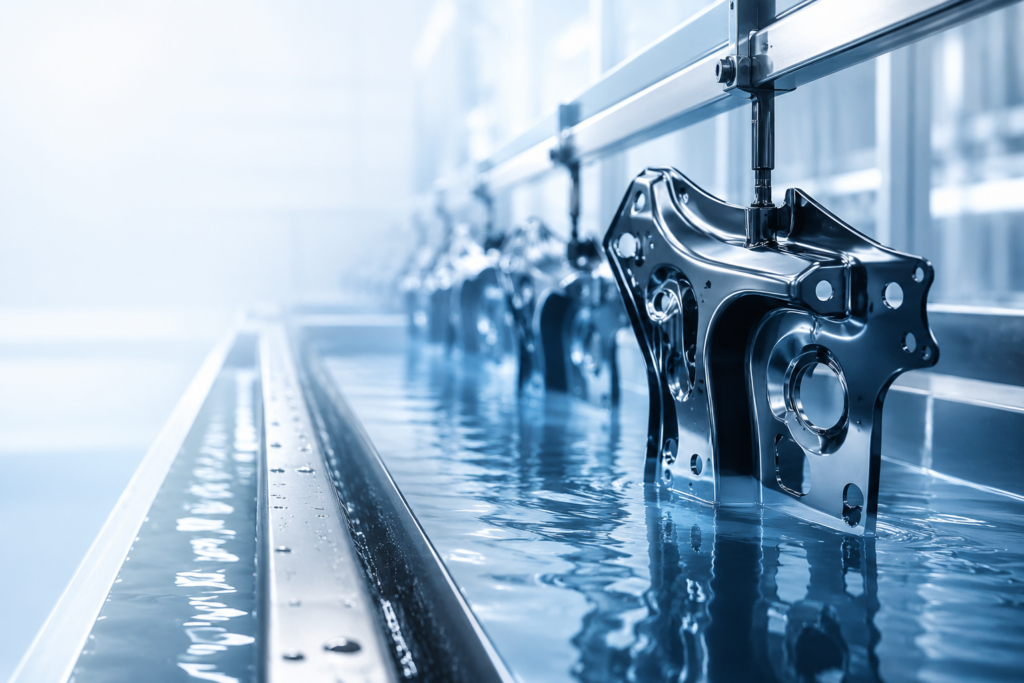
E-coating, also known as electrophoretic coating or electrophoresis coating, is a surface finishing process that uses an electric field to deposit a uniform coating film onto metal parts. During the process, charged coating particles move through a liquid bath and bond evenly to the part surface.
The main advantage of e-coating is its ability to create a consistent film on complex shapes, edges, inner corners, holes and recessed areas. This makes it especially useful for metal parts that are difficult to coat evenly with ordinary spraying methods.
Black e-coating is the most common option for industrial metal components. It provides good corrosion resistance, stable appearance and uniform surface protection. Color e-coating is also available for selected applications, but black electrophoretic coating remains the most widely used finish for functional metal parts.
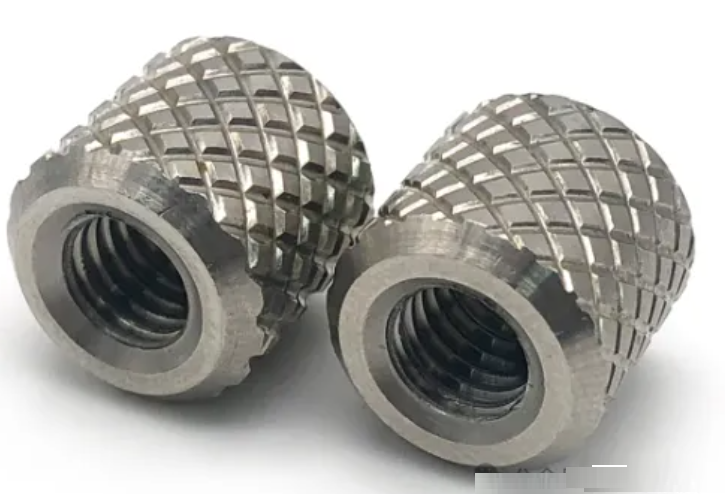
E-coating is commonly applied to CNC machined parts, sheet metal parts, stamped parts, brackets, housings, frames, covers, fasteners, automotive components and industrial equipment parts.
Why Choose Us for Electrophoretic Coating?
Uniform Coating Coverage
E-coating forms a consistent film on complex surfaces, edges, inner corners and recessed areas, helping reduce uneven coating problems.
Strong Corrosion Protection
Black e-coating provides reliable corrosion resistance for metal parts used in industrial equipment, automotive components and outdoor-related applications.
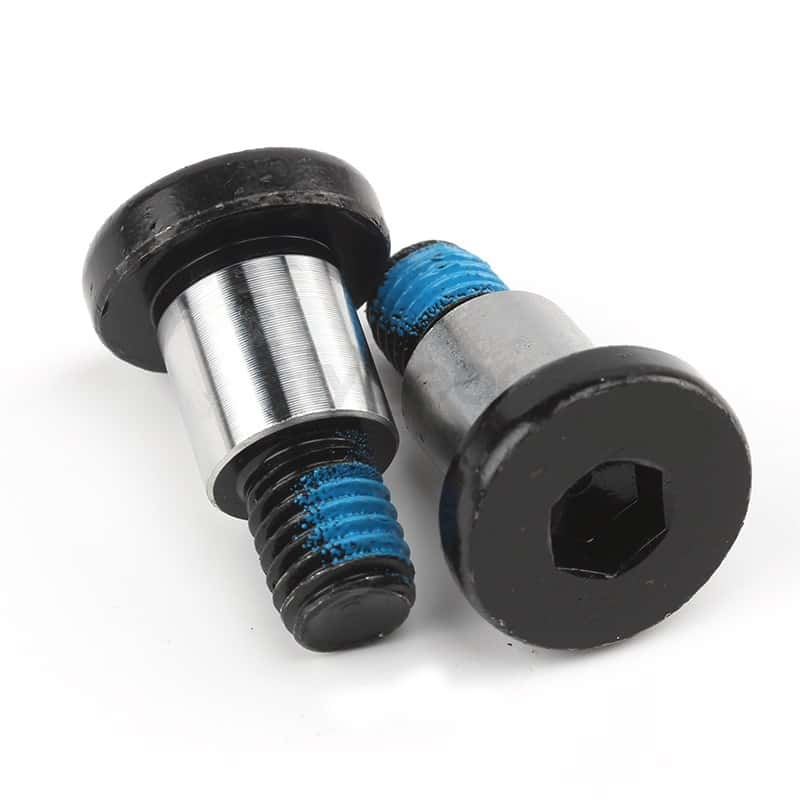
Suitable for Complex Metal Parts
Electrophoretic coating is suitable for brackets, housings, frames, covers, stamped parts and machined parts with complicated shapes.
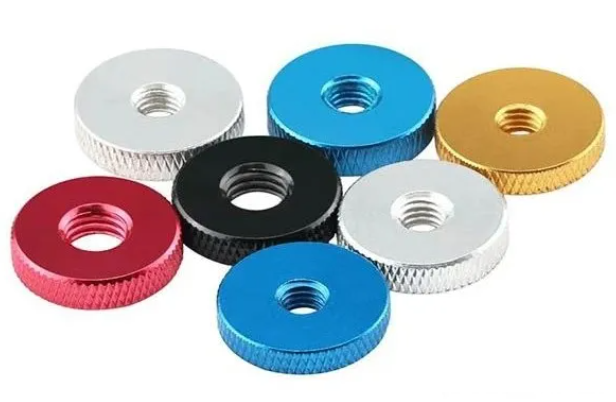
Stable Black Surface Finish
Black electrophoretic coating provides a clean, consistent and professional surface appearance for functional and visible metal components.
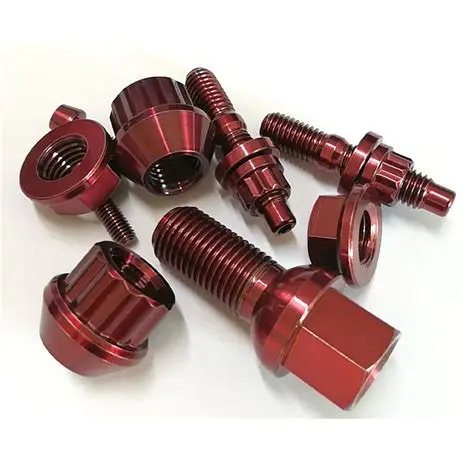
Machining and Finishing Integration
We support CNC machining, sheet metal fabrication, stamping, deburring, cleaning, e-coating and inspection as an integrated manufacturing solution.
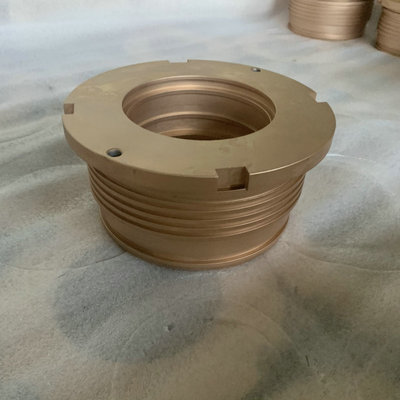
DFM Support Before Production
Our engineering team reviews coating thickness, masking areas, threads, contact surfaces and tolerance-sensitive features before production.
Electrophoretic Coating Parameters
The following parameters apply to common e-coating projects for custom metal parts. Final coating type, film thickness, color and performance should be confirmed according to material, part geometry, surface condition and application environment.
| Item | Details |
|---|---|
| Process Type | E-coating / Electrophoretic coating / Electrophoresis coating |
| Common Finish | Black e-coating, color e-coating available for selected projects |
| Main Color | Black is the most common and widely used option |
| Suitable Materials | Steel, stainless steel, aluminum, zinc alloy and selected metal parts |
| Main Benefits | Uniform coating, corrosion resistance, edge coverage and stable appearance |
| Surface Effect | Smooth black finish, semi-gloss or matte finish depending on requirement |
| Key Advantage | Good coverage on complex shapes, inner corners and recessed areas |
| Pre-Treatment Options | Cleaning, degreasing, phosphating, blasting, polishing or surface activation |
| Key Considerations | Coating thickness, masking, threads, contact surfaces and assembly areas |
| Supported Parts | CNC machined parts, sheet metal parts, stamped parts, brackets, housings and frames |
| Industries | Automotive, industrial equipment, electronics, machinery, robotics and hardware |
| File Formats | STEP, STP, IGES, X_T, SLDPRT, PDF, DWG |
E-Coating Services
We provide electrophoretic coating services based on part material, structure, corrosion resistance requirement, appearance standard and production volume. The correct coating plan should consider film thickness, masking areas, surface cleanliness and assembly requirements before production starts.
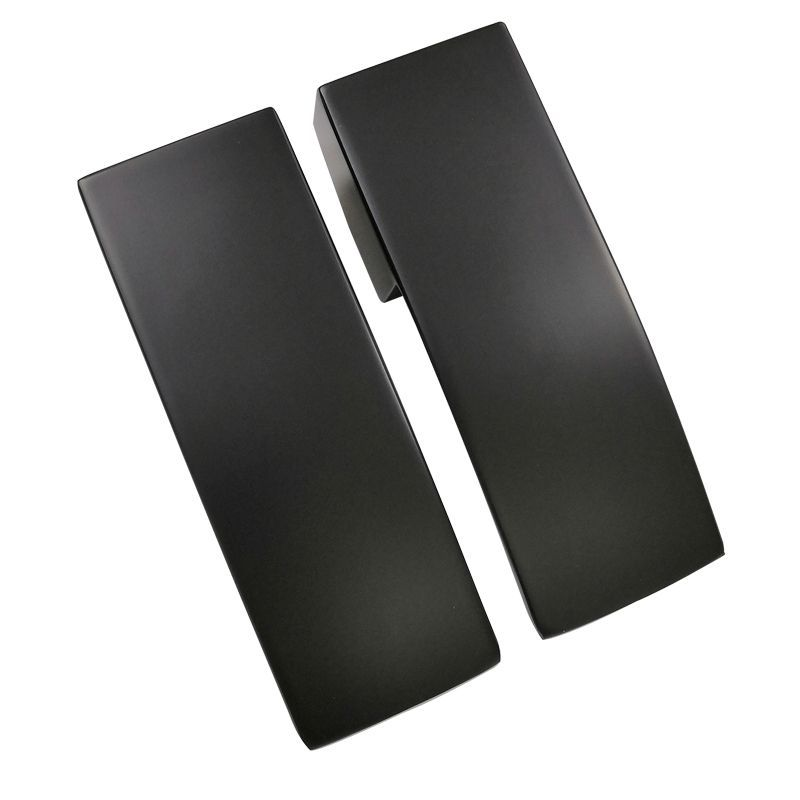
Black E-Coating
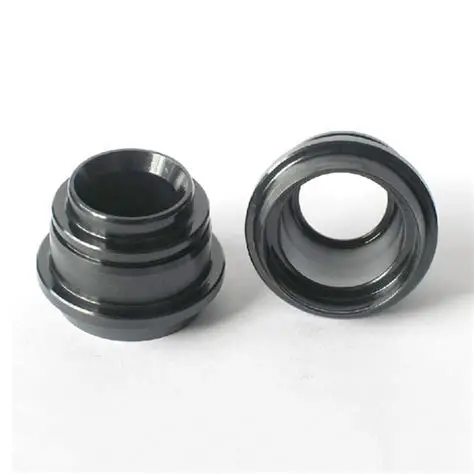
Black e-coating is the most common electrophoretic coating finish. It provides uniform coverage, corrosion protection and a stable black appearance for industrial metal parts.
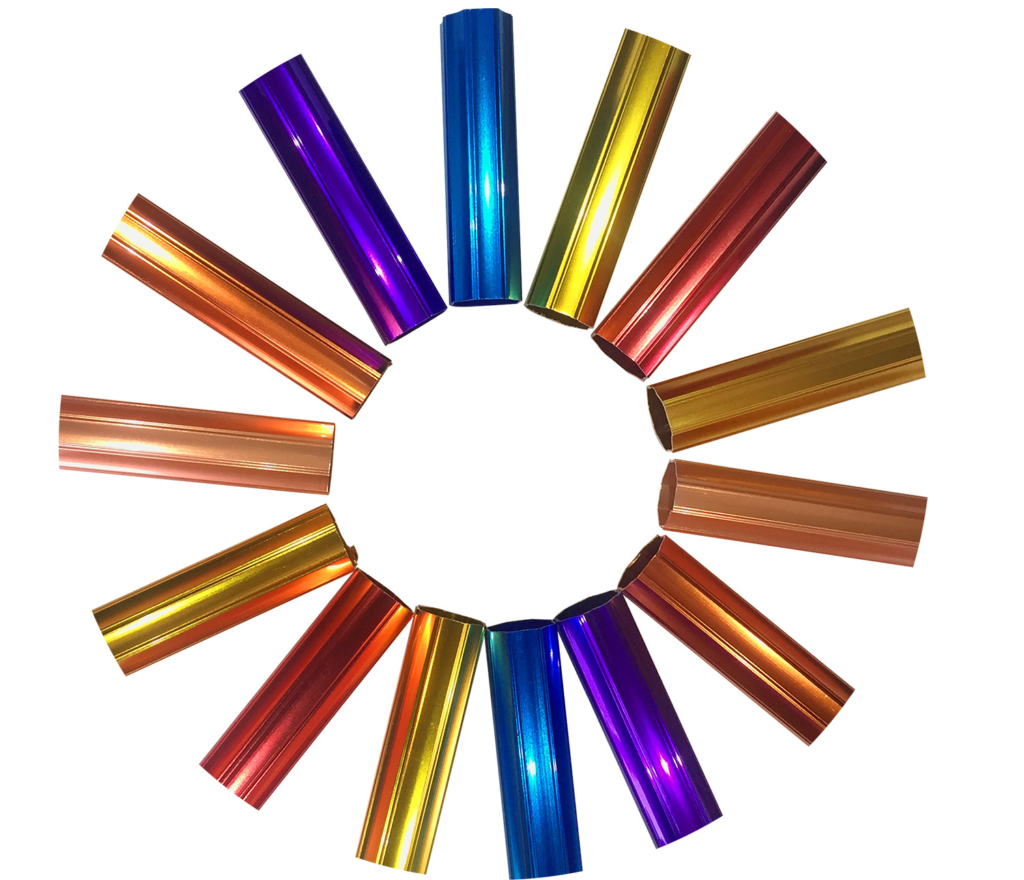
Color E-Coating
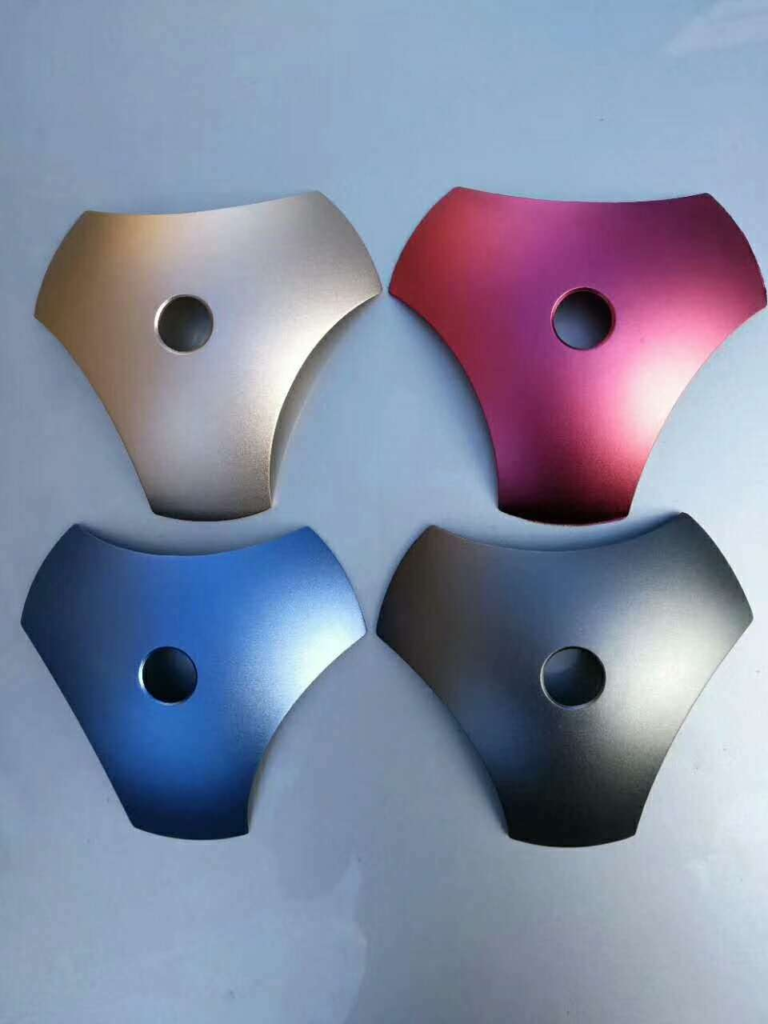
Color e-coating can be used for selected decorative or identification purposes, depending on material, surface condition and project requirements.
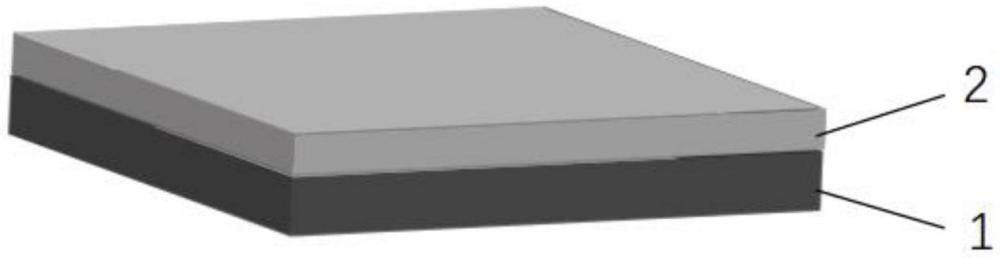
Corrosion Resistant Coating
E-coating helps protect metal surfaces from corrosion and is suitable for parts exposed to humidity, handling, industrial environments or long-term use.
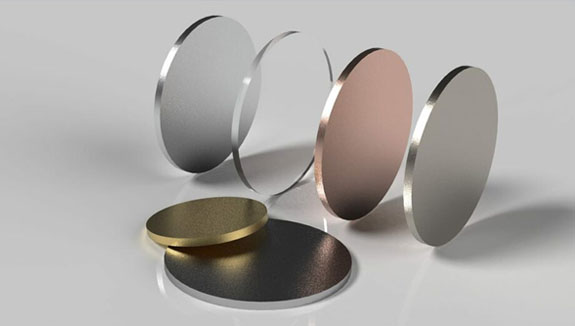
Uniform Film Coating
The electrophoretic process helps achieve consistent film coverage on complex geometries, edges, corners, holes and internal surfaces.
How Our Electrophoretic Coating Process Works
-
01
Drawing and Requirement Review
We review material grade, coating color, film thickness, corrosion resistance requirements, masking areas, threads, holes and assembly conditions.
-
02
Machining and Surface Preparation
The parts are CNC machined, fabricated, stamped or formed, then deburred and prepared for surface treatment.
-
03
Cleaning and Pre-Treatment
Parts are cleaned and degreased to remove oil, dust, oxidation and surface contamination before entering the coating bath.
-
04
Electrophoretic Coating
The parts are immersed in an e-coating bath, where an electric field deposits coating particles evenly onto the metal surface.
-
05
Curing and Drying
After coating, the parts are cured and dried under controlled conditions to form a stable and durable coating film.
-
06
Inspection and Packaging
We inspect coating appearance, coverage, surface defects, masking areas, critical dimensions and batch consistency before protective packaging.
Machining and Surface Finishing Support
In addition to e-coating, we also support CNC machining, sheet metal fabrication, stamping and surface preparation for custom metal parts. This helps customers manage quality from part production to final coating with fewer suppliers and better process control.
CNC Machining
We support CNC milling, CNC turning and precision machining for custom metal components requiring e-coating after production.
Sheet Metal Fabrication
We provide cutting, bending and forming support for sheet metal brackets, covers, panels, enclosures and frames.
Metal Stamping
Stamping support is available for repeat-production metal parts that require black e-coating or corrosion-resistant surface treatment.
Deburring
Deburring helps remove sharp edges and burrs before coating, improving final surface quality and coating consistency.
Surface Cleaning
Proper cleaning and degreasing are important for coating adhesion, surface stability and long-term corrosion resistance.
DFM Support
Our team evaluates coating thickness, masking strategy, threaded areas, assembly fit and surface requirements before production.
Frequently Asked Questions
Common questions about e-coating, black electrophoretic coating and custom metal surface finishing.
What is e-coating used for?
E-coating is used to provide uniform surface coverage, corrosion resistance and stable appearance for metal parts. It is commonly used for brackets, housings, frames, covers, automotive components, industrial parts and hardware components.
What is the difference between e-coating and painting?
E-coating uses an electric field to deposit coating particles evenly onto the metal surface, while painting usually relies on spraying. E-coating provides better coverage on complex shapes, edges, corners and recessed areas.
Is black e-coating the most common option?
Yes. Black e-coating is the most widely used electrophoretic coating finish because it provides good corrosion protection, stable appearance and broad industrial application.
Can e-coating cover complex shapes?
Yes. One of the main advantages of electrophoretic coating is its ability to cover complex shapes, inner corners, holes and recessed areas more evenly than many ordinary coating methods.
What materials can be e-coated?
Common materials include steel, stainless steel, aluminum, zinc alloy and selected metal parts. The final suitability depends on material grade, surface condition and pre-treatment process.
Does e-coating affect part dimensions?
Yes. E-coating forms a film on the part surface, so coating thickness may affect threaded holes, mating surfaces, precision fits and assembly areas. Critical dimensions should be marked clearly on drawings.
Is e-coating suitable for outdoor parts?
E-coating can provide good corrosion protection, but outdoor performance depends on material, coating system, thickness and final application environment. For harsh outdoor use, additional coating or testing may be required.
Can you provide CNC machining and e-coating together?
Yes. We can support CNC machining, sheet metal fabrication, stamping, deburring, cleaning, e-coating and inspection as an integrated manufacturing solution.
What information is needed for an e-coating quotation?
Please provide 3D CAD files, 2D drawings, material grade, quantity, coating color, film thickness requirement, corrosion resistance requirement, masking areas and critical dimensions.
Do you support prototype and low-volume e-coated parts?
Yes. We support prototype, low-volume and production e-coated metal parts. For appearance-critical or assembly-critical projects, sample confirmation is recommended before batch production.

Need E-Coating for Your Custom Metal Parts?
Upload your CAD files today. Our engineering team will review your material, part structure, coating color, corrosion resistance requirement, masking areas and critical dimensions, then provide DFM feedback and a fast quotation.