
Painting and Powder Coating Services for Custom Metal Parts
Custom spray painting, powder coating and protective coating solutions for CNC machined parts, sheet metal components, equipment enclosures, frames and industrial metal products.
✓ Liquid painting, powder coating and conformal coating options
✓ Suitable for housings, panels, frames, enclosures and appearance parts
✓ Matte, satin, glossy and high-gloss surface effects available
✓ DFM support for masking, coating thickness, color matching and assembly areas
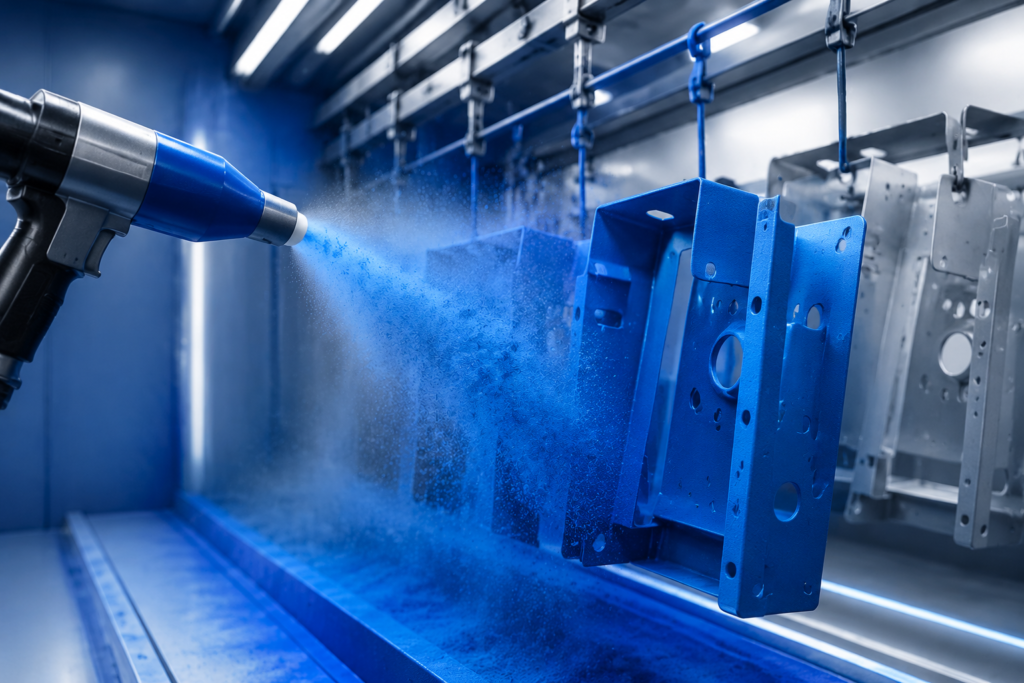
What Are Painting and Powder Coating?
Painting and powder coating are surface finishing processes used to protect metal parts, improve appearance and enhance corrosion resistance. These finishes are widely applied to CNC machined parts, sheet metal parts, equipment housings, control cabinets, frames, covers, brackets and custom fabricated components.
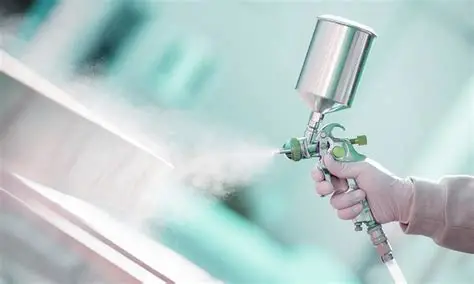
Why Choose Us for Painting and Powder Coating?
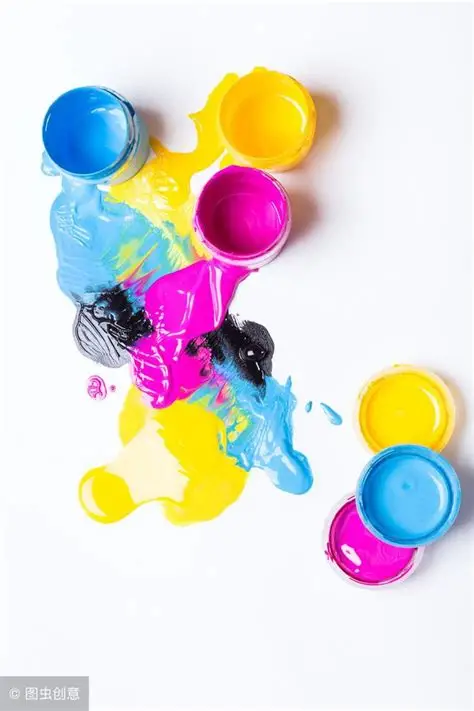
Suitable for Custom Metal Parts
We support painting and powder coating for CNC machined parts, sheet metal parts, stamped parts, welded frames, equipment housings and custom metal assemblies.
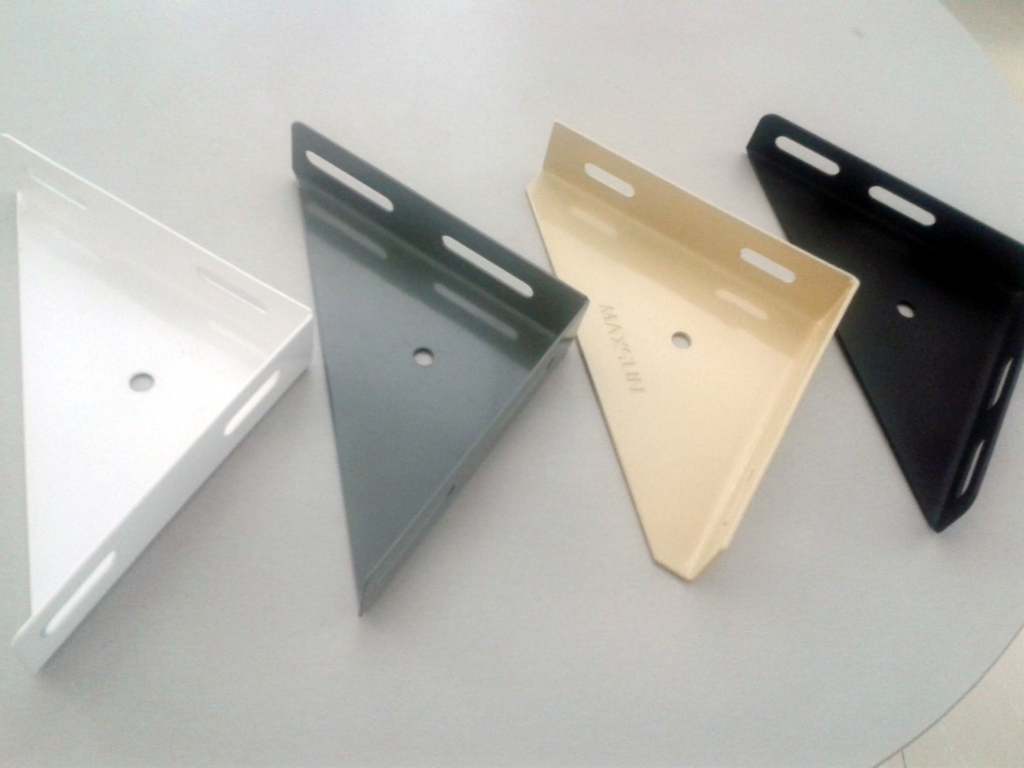
Multiple Coating Options
We provide liquid painting, powder coating and conformal coating options based on product structure, surface requirement, working environment and appearance target.
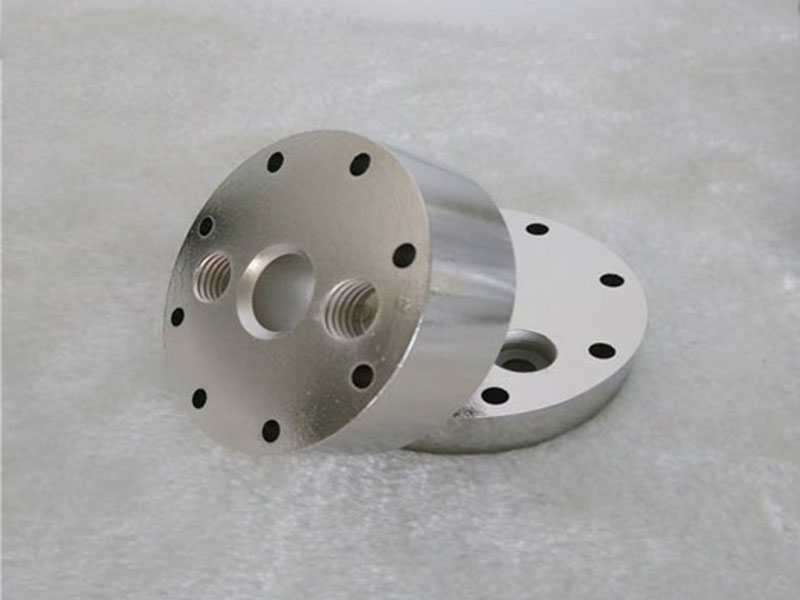
Appearance and Protection Combined
Painting and powder coating can improve corrosion resistance, surface durability, color consistency and product appearance for industrial and commercial parts.
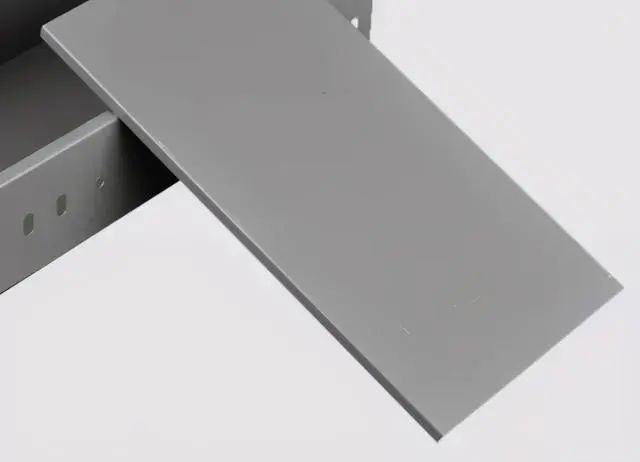
Surface Effect Control
Matte, satin, glossy and high-gloss finishes are available depending on the product design, brand requirements and application environment.
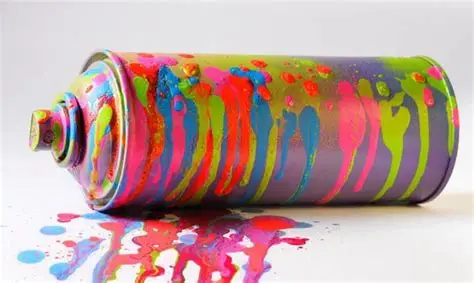
Critical Area Review
Before production, we review threaded holes, grounding areas, contact surfaces, sealing surfaces, assembly faces and masking zones to reduce coating-related fit issues.
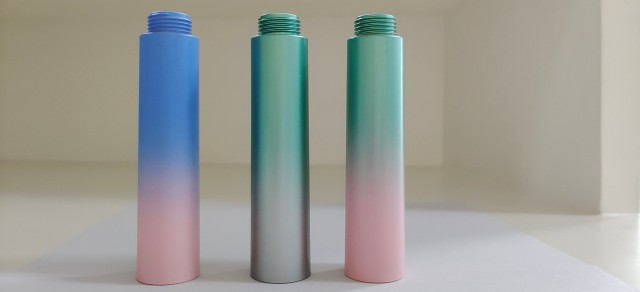
Machining and Coating Integration
From CNC machining and sheet metal fabrication to surface preparation, painting, powder coating and inspection, we help customers reduce supplier handoffs and improve project consistency.
Painting and Powder Coating Parameters
The following parameters apply to common painting and powder coating projects for custom metal parts. Final coating type, color, thickness, texture and performance should be confirmed based on material, part geometry, application environment and assembly requirements.
| Item | Details |
|---|---|
| Process Types | Liquid painting, spray painting, electrostatic powder coating, conformal coating |
| Suitable Materials | Steel, stainless steel, aluminum, galvanized steel, zinc alloy and selected metal parts |
| Common Parts | Equipment housings, machine frames, control cabinets, brackets, covers, panels, enclosures and sheet metal parts |
| Surface Effects | Matte, satin, semi-gloss, glossy, high-gloss, textured and smooth finishes |
| Common Colors | Black, white, gray, silver and custom RAL or Pantone colors upon request |
| Main Benefits | Corrosion resistance, surface protection, color consistency, improved appearance and weather resistance |
| Pre-Treatment Options | Cleaning, degreasing, sanding, sandblasting, phosphating, polishing and masking |
| Key Considerations | Coating thickness, adhesion, surface texture, color matching, masking, threads and assembly areas |
| Supported Production | Prototype, low-volume and production projects |
| Industries | Industrial equipment, electronics, robotics, automation, medical devices, machinery and outdoor equipment |
| File Formats | STEP, STP, IGES, X_T, SLDPRT, PDF, DWG |
Painting and Powder Coating Services
We provide coating solutions based on material type, appearance requirements, corrosion resistance needs, product structure and production volume. The right finish should be selected according to surface performance, color, texture, outdoor exposure, assembly requirements and cost target.
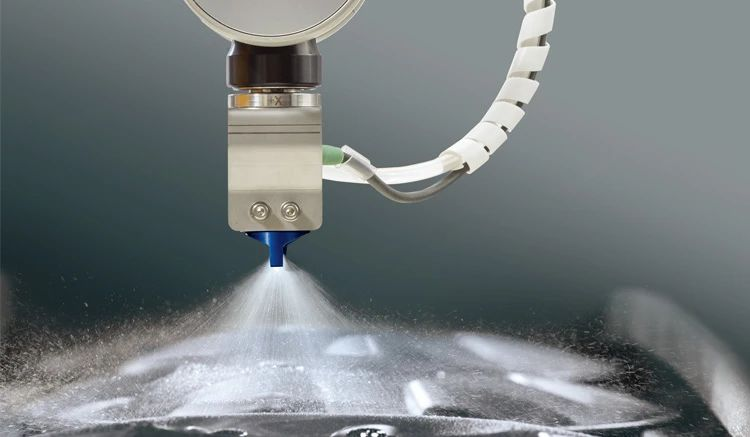
Liquid Painting
Liquid painting is suitable for metal housings, appearance parts, equipment enclosures, panels and parts that require specific colors, smooth finishes or custom visual effects.
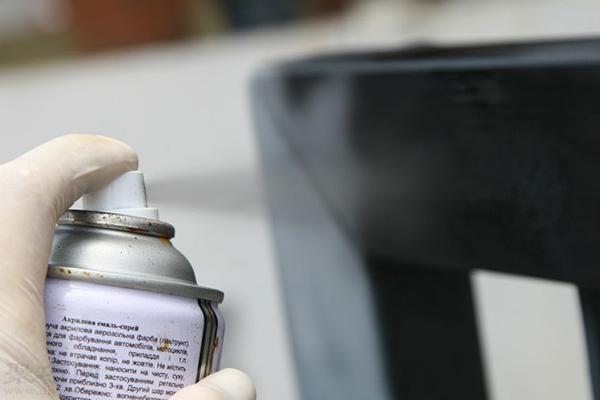
Spray Painting
Spray painting provides flexible color and finish options for custom metal parts, including matte, satin, glossy and high-gloss surfaces.
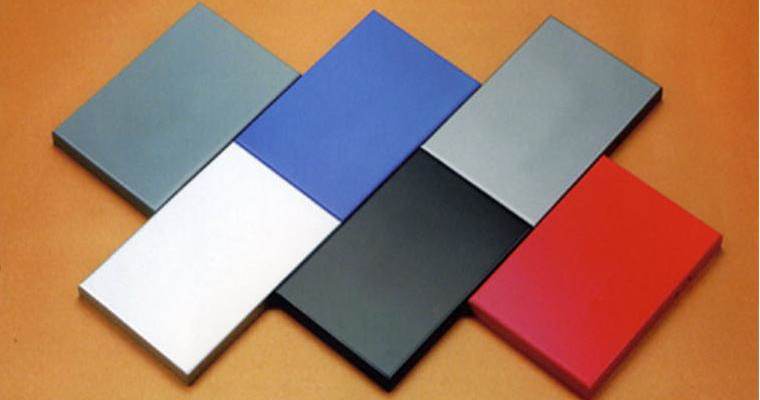
Powder Coating
Powder coating provides a durable protective surface for frames, cabinets, machine housings, brackets, covers and heavy-duty mechanical parts.
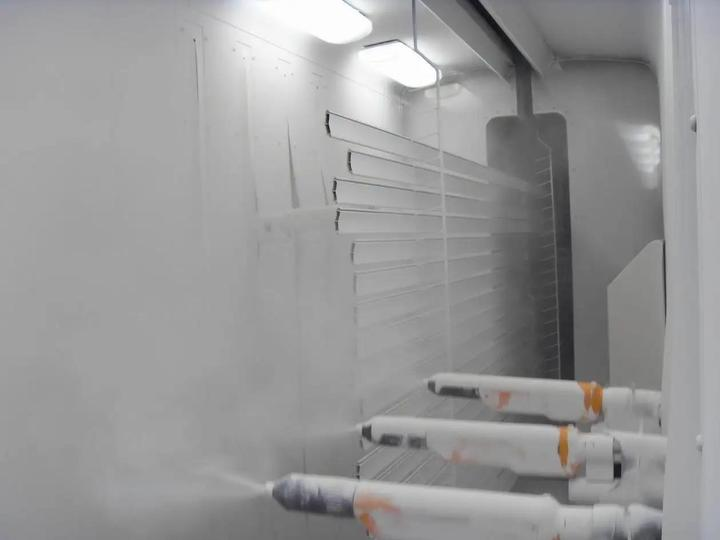
Electrostatic Powder Coating
Electrostatic powder coating helps achieve stable coating coverage and strong adhesion on metal parts before curing into a solid protective layer.
How Our Painting and Powder Coating Service Works
Our painting and powder coating process is designed to control surface appearance, coating adhesion, corrosion resistance and assembly compatibility from engineering review to final delivery.
-
01
Upload CAD Files and Finish Requirements
Send us your 3D CAD files, 2D drawings, material grade, quantity, coating type, color requirement, gloss level, surface texture and any masking instructions.
-
02
Engineering Review
Our team reviews part geometry, coating areas, threaded holes, sealing surfaces, grounding points, tolerance-sensitive features and final application conditions.
-
03
Coating Method Recommendation
Based on the part structure and application, we recommend liquid painting, powder coating or conformal coating to match appearance, durability and cost requirements.
-
04
Quotation and Lead Time Confirmation
We provide pricing, lead time, surface finish suggestions and production notes based on your drawings, coating requirements and order quantity.
-
05
Production and Surface Preparation
Parts are machined, fabricated, cleaned, degreased, sanded, sandblasted or phosphated before coating to improve adhesion and surface consistency.
-
06
Painting or Powder Coating
The selected coating process is applied according to the approved requirement, including color, thickness, surface texture, gloss level and masking areas.
-
07
Curing, Drying and Inspection
After coating, the parts are cured or dried, then inspected for color consistency, coating coverage, adhesion, surface defects, masking accuracy and critical dimensions.
-
08
Packaging and Global Delivery
Finished parts are protected with suitable packaging to reduce scratches, coating damage and handling risks during domestic or international shipping.
Liquid Painting Process
Liquid painting is suitable for equipment housings, appearance parts, panels, covers and metal components that require specific color, gloss or decorative surface effects.
- 01
Surface Cleaning
Oil, dust, cutting fluid and surface contamination are removed before painting to improve coating adhesion.
- 02
Sanding or Surface Leveling
Visible areas may be sanded or polished to reduce surface marks and improve final appearance quality.
- 03
Masking
Threads, holes, contact surfaces, sealing areas and non-painted zones are masked according to drawing requirements.
- 04
Primer Application
A primer layer may be applied to improve adhesion, corrosion resistance and paint stability.
- 05
Spray Painting
Liquid paint is sprayed onto the part surface to achieve the required color, gloss level and visual effect.
- 06
Drying and Curing
Painted parts are dried or cured under controlled conditions to form a stable and protective surface.
- 07
Appearance Inspection
We inspect color, gloss, orange peel, pinholes, scratches, dust marks, coverage and visible surface consistency.
Powder Coating Process
Powder coating is suitable for machine frames, equipment cabinets, metal enclosures, brackets, covers and heavy-duty mechanical parts that require durable surface protection.
- 01
Pre-Treatment
Parts are cleaned, degreased and prepared through sandblasting, phosphating or other pre-treatment methods depending on material and corrosion resistance requirements.
- 02
Masking and Hanging
Non-coated areas, threaded holes, grounding points and precision assembly surfaces are masked or protected before coating.
- 03
Electrostatic Powder Application
Powder particles are electrostatically sprayed onto the metal surface to create an even coating layer.
- 04
Oven Curing
The coated parts are heated in an oven so the powder melts, flows and cures into a durable protective film.
- 05
Cooling
After curing, the parts are cooled carefully to prevent surface damage, deformation or handling marks.
- 06
Quality Inspection
We inspect coating coverage, thickness, adhesion, color, texture, gloss, surface defects and masking accuracy.
Conformal Coating Process
Conformal coating is used for electronic precision parts and outdoor control boards that require moisture resistance, corrosion protection and insulation performance.
- 01
Cleaning and Drying
Electronic parts or control boards are cleaned and dried to remove dust, moisture, oil and surface contamination.
- 02
Masking Sensitive Areas
Connectors, contacts, test points, grounding areas and components that must remain uncoated are masked before coating.
- 03
Conformal Coating Application
Transparent, insulating, moisture-resistant or corrosion-resistant coating is applied according to the product requirement.
- 04
Curing
The coating is cured or dried to form a protective film over the required surfaces.
- 05
Inspection
We inspect coating coverage, bubbles, cracks, missed areas, excessive coating and protection of masked zones.
Important Notes Before Painting or Powder Coating
Before production, drawings should clearly mark visible surfaces, non-coated areas, threaded holes, grounding points, sealing surfaces and tight-tolerance assembly zones. Coating adds thickness to the surface, so holes, threads, slots and mating areas may be affected if masking or tolerance requirements are not defined in advance.
Clear coating instructions help reduce rework, delivery delays and the usual manufacturing horror show where everyone discovers the problem only after the parts are already finished.
Machining and Surface Finishing Support
In addition to painting and powder coating, we also provide CNC machining, sheet metal fabrication and surface preparation support for custom metal parts. This helps customers manage the full process from part manufacturing to final coating with better quality control and fewer supplier handoffs.
CNC Machining
We support CNC milling, CNC turning and complex machining for custom metal parts that require painting, powder coating or other surface treatments.
Sheet Metal Fabrication
We provide cutting, bending, forming and welding support for sheet metal parts such as enclosures, panels, cabinets and covers.
Metal Stamping
Stamping support is available for metal brackets, covers, clips and high-volume components that require coating after forming.
Surface Cleaning
Cleaning and degreasing help remove oil, dust and machining residue before coating to improve adhesion and surface quality.
Sandblasting and Sanding
Sandblasting and sanding can improve surface texture and coating adhesion before painting or powder coating.
DFM Support
Our team evaluates how coating may affect part appearance, thickness, masking, assembly, grounding and final product performance.
Frequently Asked Questions
Common questions about liquid painting, powder coating, conformal coating and coated custom metal parts.
What is painting used for in metal parts?
Painting is used to improve appearance, provide color, protect the surface and improve corrosion resistance. It is commonly applied to housings, panels, equipment enclosures, covers, brackets and appearance-critical metal parts.
What is powder coating used for?
Powder coating is used to provide a durable protective finish for metal parts. It is commonly used for machine frames, equipment cabinets, heavy-duty mechanical parts, brackets, covers, panels and sheet metal components.
What is the difference between liquid painting and powder coating?
Liquid painting uses liquid paint sprayed onto the surface and is flexible for custom colors and appearance effects. Powder coating uses electrostatically charged powder that is cured into a durable coating. Powder coating is often preferred for industrial durability, while liquid painting is often chosen for specific appearance or color requirements.
What surface effects are available?
Common surface effects include matte, satin, semi-gloss, glossy, high-gloss, smooth and textured finishes. The final effect depends on coating type, surface preparation and color requirements.
What materials can be painted or powder coated?
Common materials include steel, stainless steel, aluminum, galvanized steel, zinc alloy and selected metal parts. The final process depends on the base material, surface condition and performance requirements.
Is powder coating suitable for outdoor parts?
Yes. Powder coating can be suitable for outdoor parts when the correct powder type and pre-treatment are selected. Outdoor applications should clearly define weather resistance, UV exposure and corrosion resistance requirements.
What is conformal coating used for?
Conformal coating is used to protect electronic precision parts and outdoor control boards from moisture, corrosion and electrical risks. It can provide transparent protection, insulation and environmental resistance.
Does painting or powder coating affect part dimensions?
Yes. Coating adds thickness to the part surface, so holes, threads, slots, mating surfaces and tight-tolerance areas may be affected. Critical dimensions and masking areas should be clearly marked on the drawing.
Can you provide machining and coating together?
Yes. We can support CNC machining, sheet metal fabrication, stamping, cleaning, masking, painting, powder coating and inspection as an integrated manufacturing solution.
What information is needed for a coating quotation?
Please provide 3D CAD files, 2D drawings, material grade, quantity, coating type, color requirement, surface texture, gloss level, critical dimensions, masking areas and application environment.

Need Painting or Powder Coating for Your Custom Metal Parts?
Upload your CAD files today. Our engineering team will review your material, part structure, coating type, color requirement, surface texture, masking areas and critical dimensions, then provide practical DFM feedback and a fast quotation.