
PTFE and Teflon Coating Services for Custom Metal Parts
Non-stick, self-lubricating and corrosion-resistant coating solutions for precision metal parts, molds, machinery components, food equipment parts and custom industrial applications.
✓ PTFE spray coating and Teflon-type non-stick coating options
✓ Low friction, anti-stick, corrosion-resistant and temperature-resistant surface performance
✓ Suitable for molds, mechanical parts, food machinery parts and custom metal components
✓ DFM support for coating thickness, masking, surface preparation and critical dimensions
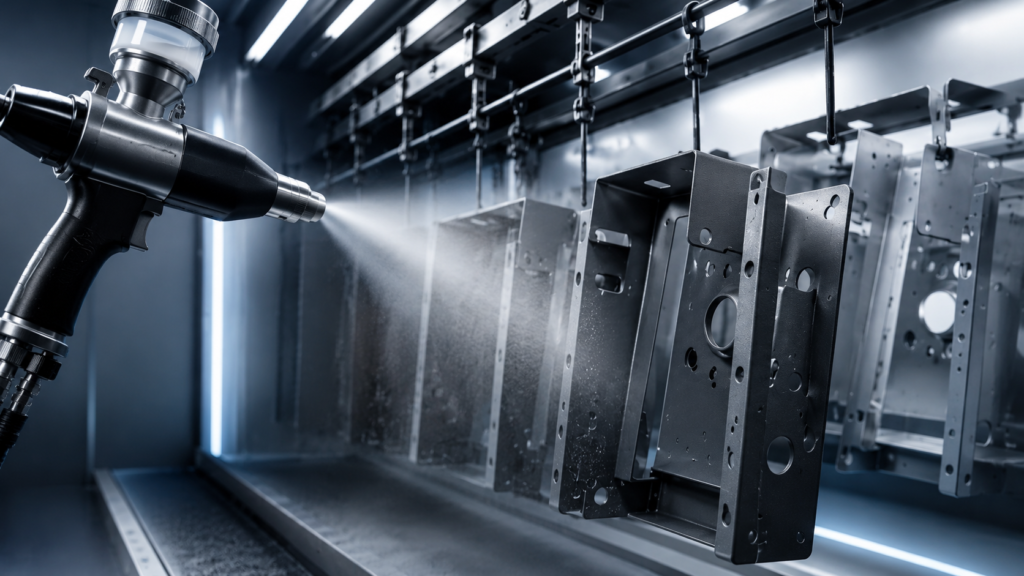
What Is PTFE / Teflon Coating?
PTFE coating, often referred to as Teflon-type coating, is a surface treatment process that applies a fluoropolymer coating layer onto metal parts to create a low-friction, non-stick and protective surface. It is widely used when parts require anti-stick performance, self-lubrication, corrosion resistance, chemical resistance or stable performance across high and low temperature environments.
Unlike ordinary decorative coatings, PTFE coating is mainly selected for functional performance. It helps reduce material adhesion, improve release performance, lower friction between moving surfaces and protect parts from harsh working conditions.
PTFE and Teflon-type coatings are commonly used for molds, food machinery parts, packaging equipment components, rollers, guide plates, sealing parts, fixtures, mechanical components and custom CNC machined parts. In normal manufacturing language: it helps parts stop sticking, scraping, corroding and generally behaving like a tiny industrial lawsuit waiting to happen.
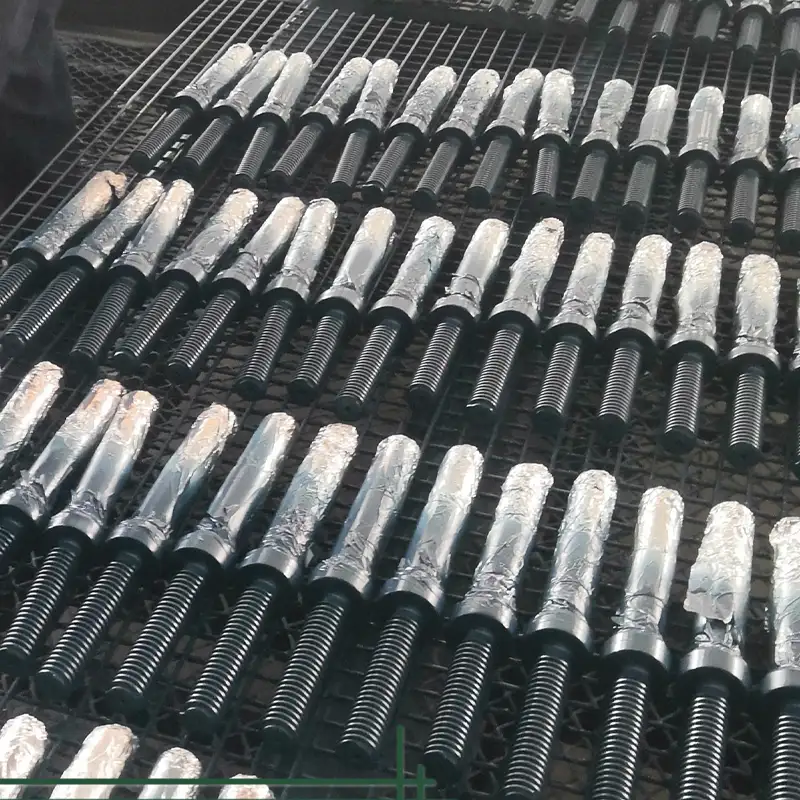
Why Choose Us for PTFE and Teflon Coating?
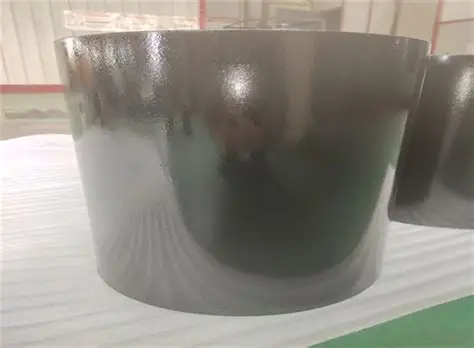
Non-Stick Surface Performance
PTFE coating helps reduce material adhesion and is suitable for molds, food machinery parts, packaging components and anti-stick mechanical applications.
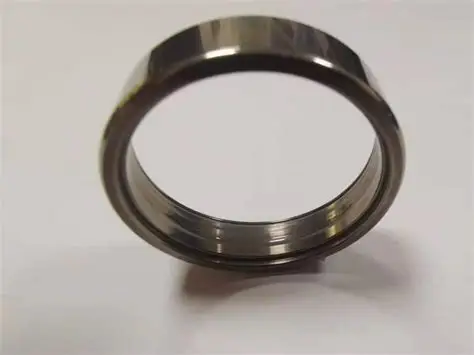
Low Friction and Self-Lubrication
The coating provides low friction and self-lubricating performance, helping reduce wear and improve movement between contact surfaces.
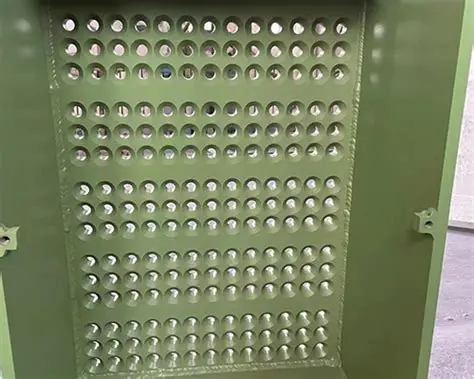
Corrosion Resistance
PTFE and Teflon-type coatings can improve corrosion resistance for parts exposed to moisture, chemicals or demanding industrial environments.
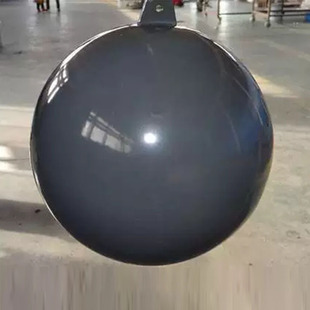
Temperature Resistance
PTFE coating is often selected for applications that require stable surface performance under high or low temperature working conditions.
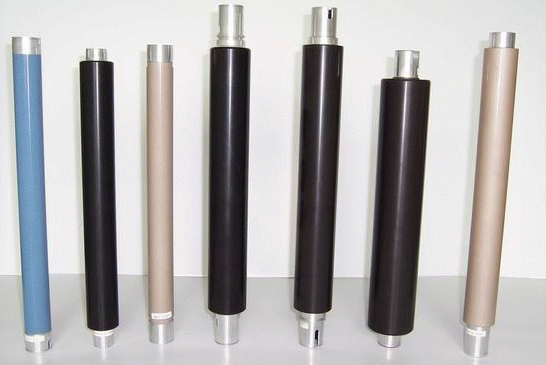
Critical Area Review
Before production, we review threaded holes, sealing surfaces, fitting areas, contact zones, masking requirements and coating-sensitive dimensions.
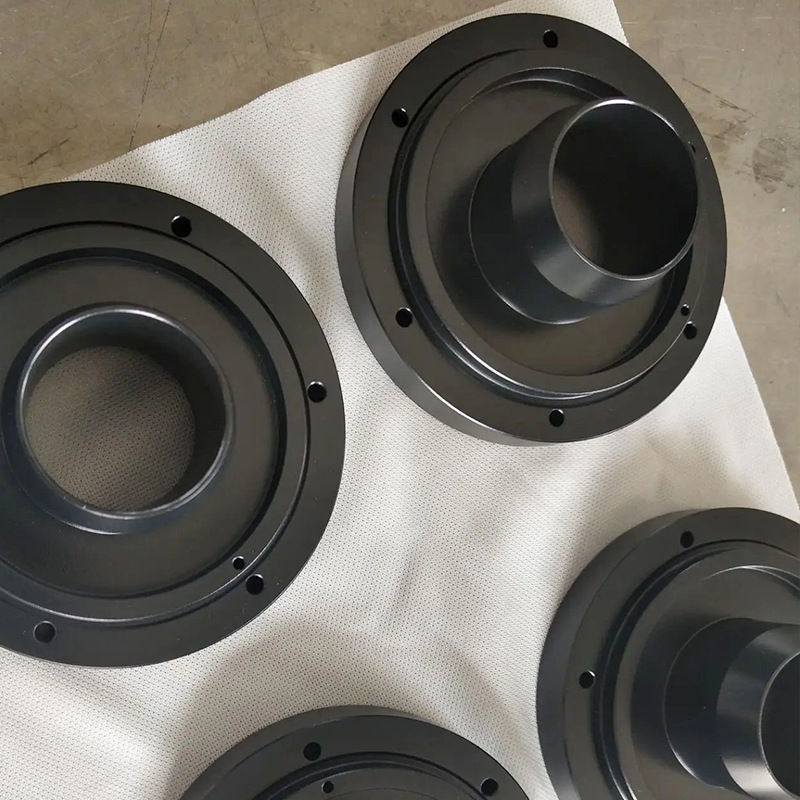
Machining and Coating Integration
From CNC machining and surface preparation to PTFE coating and inspection, we help customers reduce supplier handoffs and improve project consistency.
PTFE and Teflon Coating Parameters
The following parameters apply to common PTFE and Teflon-type coating projects for custom metal parts. Final coating type, thickness, surface texture and performance should be confirmed based on material, part structure, working environment and application requirements.
| Item | Details |
|---|---|
| Process Type | PTFE coating, Teflon-type coating, fluoropolymer spray coating |
| Main Properties | Non-stick, low friction, self-lubricating, corrosion resistant and temperature resistant |
| Suitable Materials | Steel, stainless steel, aluminum, copper alloy and selected metal parts |
| Common Surface Effects | Smooth, matte, semi-gloss, black, gray or custom functional coating finish |
| Pre-Treatment Options | Cleaning, degreasing, sandblasting, roughening, polishing and masking |
| Key Benefits | Anti-stick performance, mold release, reduced friction, corrosion protection and chemical resistance |
| Key Considerations | Coating adhesion, thickness, masking, surface roughness, threads, holes and precision fitting areas |
| Supported Parts | Molds, rollers, guide parts, sealing parts, fixtures, food machinery parts and CNC components |
| Suitable Industries | Food equipment, machinery, molds, packaging equipment, industrial automation and chemical equipment |
| File Formats | STEP, STP, IGES, X_T, SLDPRT, PDF, DWG |
PTFE and Teflon Coating Services
We provide PTFE and Teflon-type coating services based on material type, surface function, anti-stick requirements, friction conditions, corrosion exposure and production volume. The correct coating solution should consider coating adhesion, film thickness, surface preparation, masking areas and final operating environment.
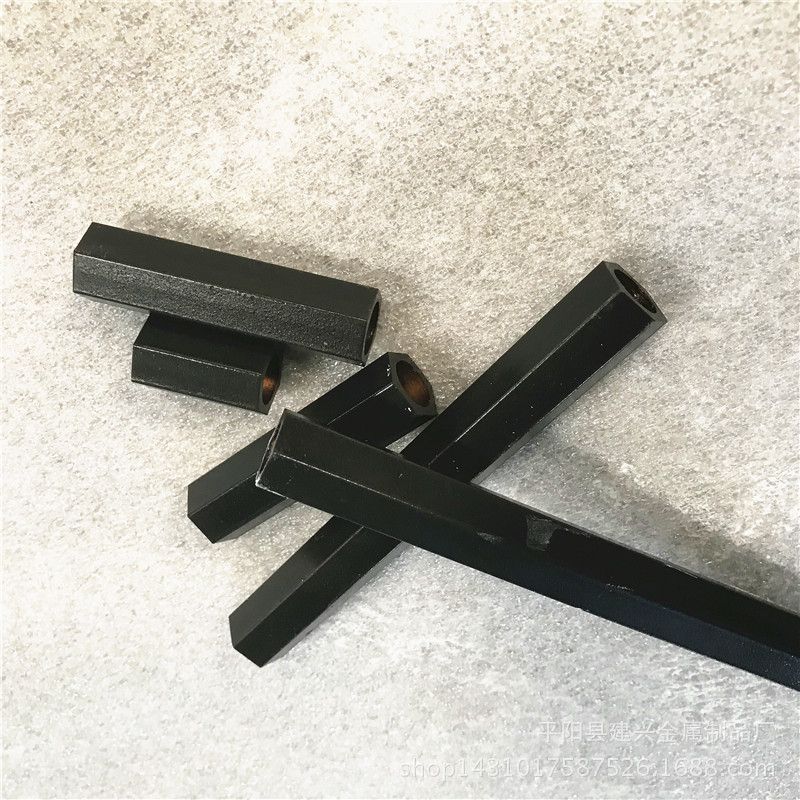
PTFE Spray Coating
PTFE spray coating provides a low-friction and non-stick surface for custom metal parts, molds, machinery components and industrial equipment parts.
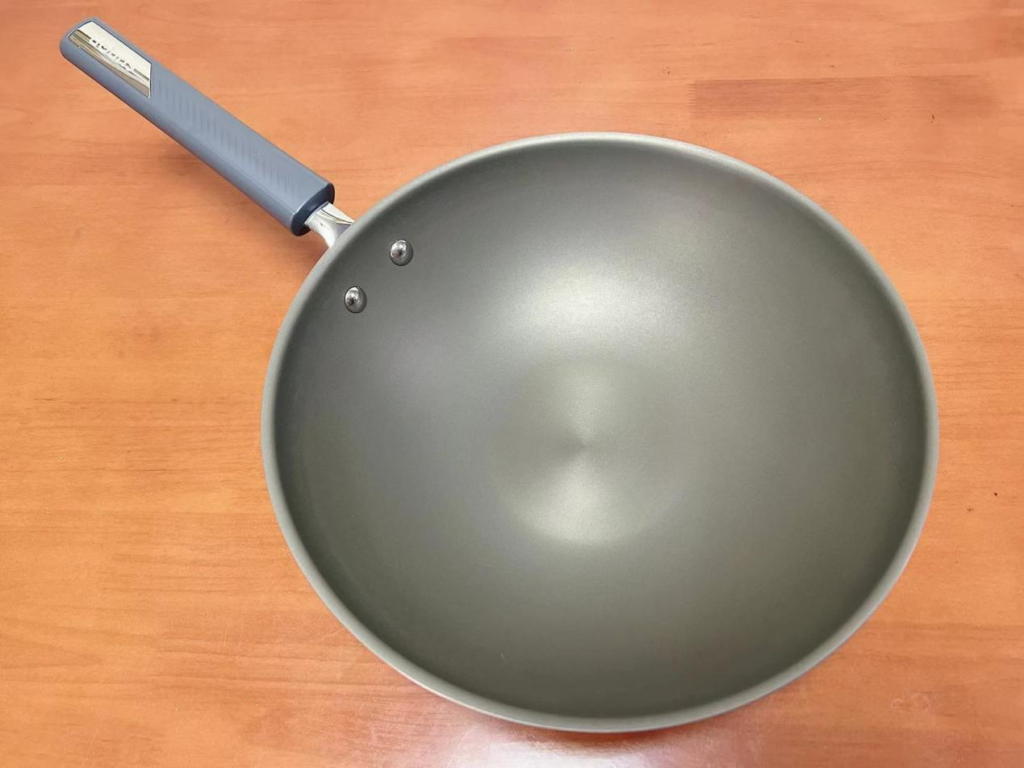
Teflon-Type Non-Stick Coating
Teflon-type coating is suitable for parts that require anti-stick performance, easy release, smooth surface behavior and reduced material build-up.
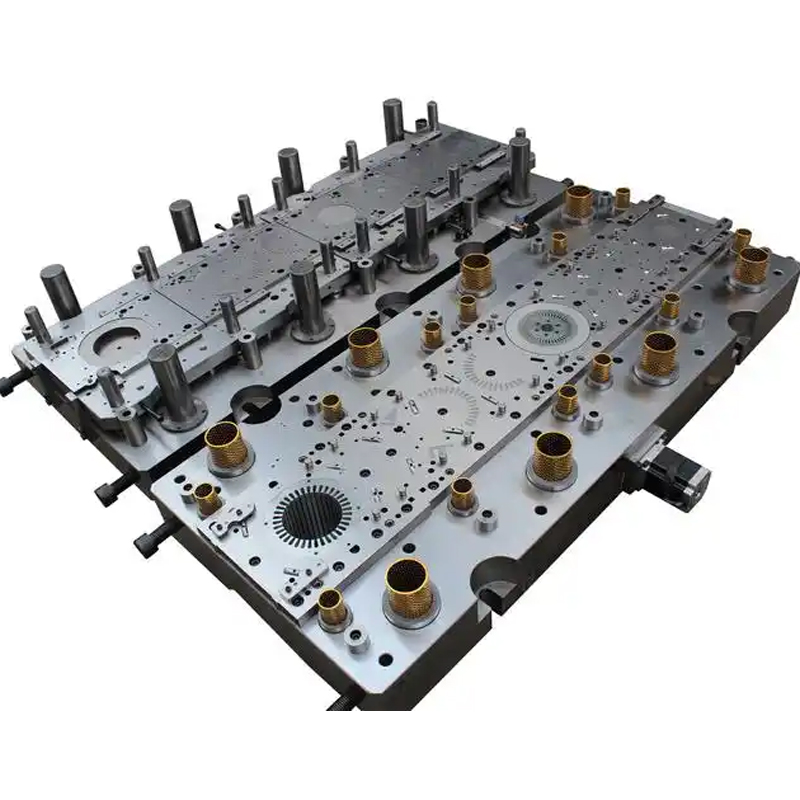
Mold Release Coating
PTFE coating can improve mold release performance and reduce sticking issues in forming, packaging, food processing and selected manufacturing applications.
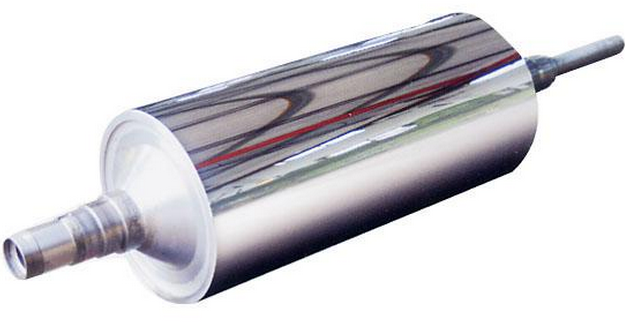
Food Machinery Coating
For food machinery parts, PTFE coating can provide non-stick and easy-clean surface performance. Food-contact requirements should be confirmed before production.
How Our PTFE and Teflon Coating Service Works
Our PTFE coating process is designed to control coating adhesion, anti-stick performance, surface smoothness, coating thickness and assembly compatibility from engineering review to final delivery.
-
01
Upload CAD Files and Coating Requirements
Send us your 3D CAD files, 2D drawings, material grade, quantity, coating type, coating area, surface function and any masking requirements.
-
02
Engineering Review
Our team reviews part geometry, working environment, coating areas, threaded holes, sealing surfaces, contact zones and tolerance-sensitive features.
-
03
Coating Method Recommendation
Based on the part structure and application, we recommend a suitable PTFE or Teflon-type coating solution for non-stick, low-friction or corrosion-resistant performance.
-
04
Quotation and Lead Time Confirmation
We provide pricing, lead time, coating notes and production recommendations based on your drawings, coating requirements and order quantity.
-
05
Machining and Surface Preparation
Parts are CNC machined, fabricated, cleaned, degreased, roughened or sandblasted before coating to improve coating adhesion and surface consistency.
-
06
Masking and Protection
Threads, holes, sealing surfaces, electrical contact areas and precision fitting zones are masked or protected when required.
-
07
PTFE Coating Application
The selected PTFE coating is applied to the prepared surface according to the approved coating area, surface requirement and performance target.
-
08
Curing and Stabilization
Coated parts are cured under controlled process conditions to form a stable, protective and functional surface layer.
-
09
Inspection and Packaging
We inspect coating coverage, adhesion, surface defects, masking accuracy, critical dimensions and batch consistency before protective packaging.
PTFE Spray Coating Process
PTFE spray coating is suitable for parts that require a non-stick surface, low friction, corrosion resistance or improved release performance.
-
01
Surface Cleaning
Oil, dust, cutting fluid, rust and surface contamination are removed before coating.
-
02
Surface Roughening
The surface may be sandblasted or roughened to improve coating adhesion.
-
03
Masking
Non-coated areas, threaded holes, sealing surfaces and precision fitting areas are protected before spraying.
-
04
Primer Application
A primer layer may be applied depending on the coating system and base material.
-
05
PTFE Spray Application
PTFE coating is sprayed onto the prepared surface to achieve the required coverage and functional performance.
-
06
Curing
The coated parts are cured to bond the coating layer and stabilize the final surface properties.
-
07
Final Inspection
We inspect coating appearance, surface smoothness, coverage, adhesion, masking areas and critical dimensions.
Machining and Surface Finishing Support
In addition to PTFE and Teflon-type coating, we also provide CNC machining and surface preparation support for custom metal parts. This helps customers control the full process from part manufacturing to final coating with better quality consistency.
CNC Machining
We support CNC milling, CNC turning and complex machining for custom metal parts that require PTFE coating or other surface treatments.
Mold Component Machining
We support precision machining for mold components that require anti-stick coating or release performance.
Food Equipment Parts
We support custom metal parts for food machinery and packaging equipment where non-stick and easy-clean surfaces may be required.
Surface Cleaning
Cleaning and degreasing help remove oil, dust and machining residue before coating to improve adhesion and surface quality.
Sandblasting and Roughening
Sandblasting or controlled roughening can improve coating adhesion before PTFE spray coating.
DFM Support
Our team evaluates how PTFE coating may affect coating thickness, friction, release performance, masking, assembly and final part function.
Frequently Asked Questions
Common questions about PTFE coating, Teflon-type coating and non-stick coated metal parts.
What is PTFE coating used for?
PTFE coating is used to provide non-stick performance, low friction, self-lubrication, corrosion resistance and temperature resistance. It is commonly applied to molds, food machinery parts, mechanical components, rollers, guide parts and custom metal parts.
Is PTFE coating the same as Teflon coating?
Teflon is commonly used as a name for PTFE-type non-stick coatings. In manufacturing, many buyers use the terms PTFE coating and Teflon coating to describe similar fluoropolymer non-stick surface treatments.
What materials can be PTFE coated?
PTFE coating can be applied to selected metal materials such as steel, stainless steel, aluminum and copper alloy parts. The final suitability depends on material grade, surface condition and coating requirements.
Is PTFE coating suitable for food machinery parts?
Yes. PTFE coating is often used for food machinery and packaging equipment parts because of its non-stick and easy-clean properties. Food-contact compliance requirements should be confirmed before production.
Can PTFE coating reduce friction?
Yes. PTFE coating provides low friction and self-lubricating surface performance, making it useful for guide parts, sliding components, rollers and mechanical contact surfaces.
Is PTFE coating corrosion resistant?
Yes. PTFE coating can improve corrosion resistance and chemical resistance when the correct coating system and surface preparation are used.
Does PTFE coating resist high and low temperatures?
PTFE coating is commonly selected for applications requiring stable performance under high or low temperature conditions. The exact temperature range should be confirmed according to the coating system and application environment.
Does PTFE coating affect part dimensions?
Yes. PTFE coating adds a coating layer to the surface, so thickness may affect holes, threads, slots, sealing surfaces and tight-tolerance areas. Critical dimensions should be clearly marked on the drawing.
Is surface preparation important before PTFE coating?
Yes. Cleaning, degreasing and surface roughening are important for coating adhesion. Poor surface preparation can cause weak adhesion, uneven coating or premature coating failure.
Can you provide CNC machining and PTFE coating together?
Yes. We can support CNC machining, surface preparation, masking, PTFE coating, curing and inspection as an integrated manufacturing solution.

Need PTFE or Teflon Coating for Your Custom Parts?
Upload your CAD files today. Our engineering team will review your material, part structure, coating area, anti-stick requirements, friction conditions, masking areas and critical dimensions, then provide practical DFM feedback and a fast quotation.