
Metal Polishing and Manual Surface Finishing Services
Manual sanding, hand brushing, tool mark removal and mirror polishing services for CNC machined parts, sheet metal components and custom precision metal parts.
✓ Metal polishing for CNC machined and fabricated parts
✓ Manual sanding, brushing, tool mark removal and mirror polishing
✓ Suitable for aluminum, stainless steel, brass, copper, steel and titanium parts
✓ DFM support for visible surfaces, finish direction, surface roughness and critical dimensions
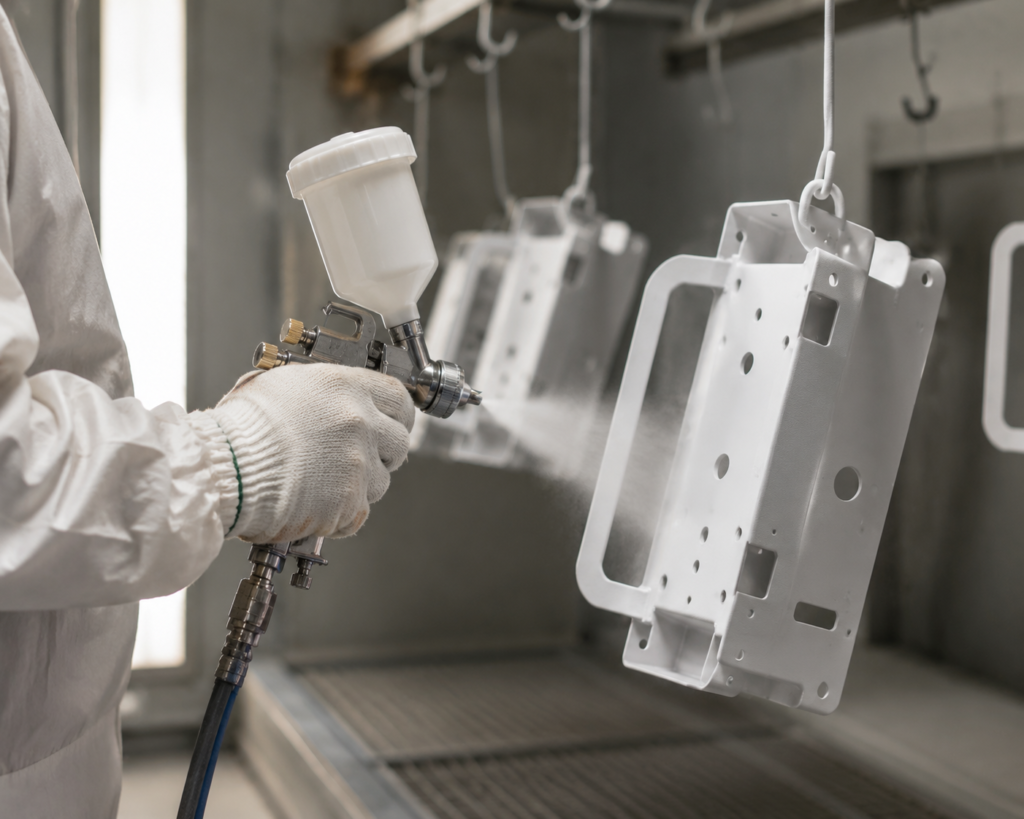
What Is Metal Polishing?
Metal polishing is a surface finishing process used to improve the smoothness, appearance and surface consistency of precision metal parts. It can reduce machining marks, sanding lines, scratches, burrs and uneven surface texture after CNC machining, sheet metal fabrication or welding.
Manual surface finishing includes manual sanding, hand brushing, tool mark removal and mirror polishing. These processes are often used when metal parts require better cosmetic quality, a brushed metal texture, smoother touch, improved appearance or preparation before another surface treatment.
Unlike fully automated finishing, manual metal polishing gives technicians better control over visible surfaces, edges, corners, grooves, holes and complex geometries. It is especially useful for custom metal parts where surface appearance matters as much as dimensional accuracy.
Metal polishing services are commonly used for CNC machined parts, stainless steel parts, aluminum housings, brass components, copper parts, titanium parts, sheet metal panels, equipment covers, medical device components, robotics parts and high-end appearance parts.
In plain manufacturing language: machining makes the part accurate; polishing makes it look like someone actually cared before shipping it.
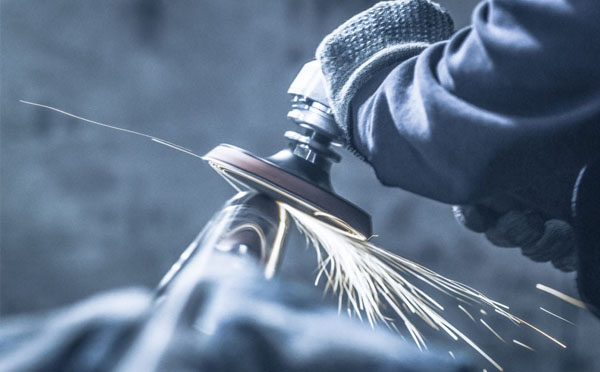
Why Choose Us for Metal Polishing Services?
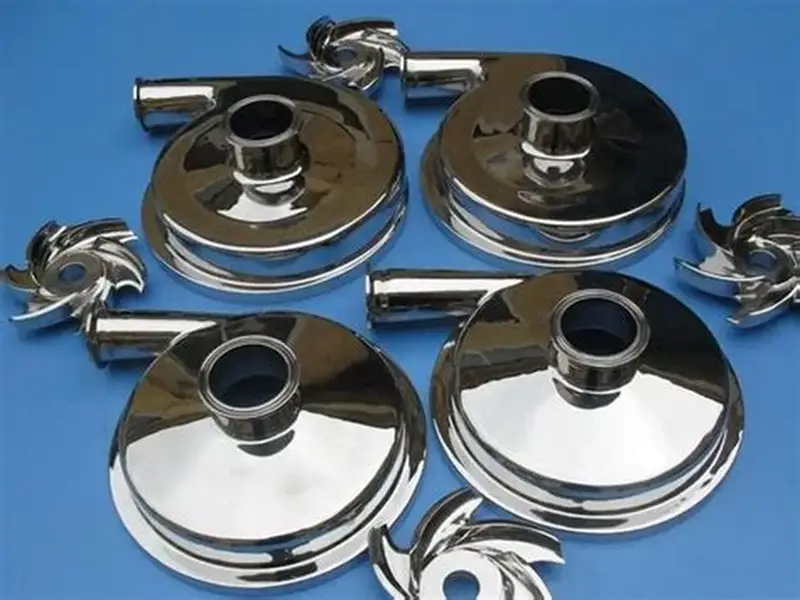
Built for Precision Metal Parts
We provide metal polishing and manual surface finishing for CNC machined parts, sheet metal components, brackets, panels, housings, covers and custom precision metal parts.
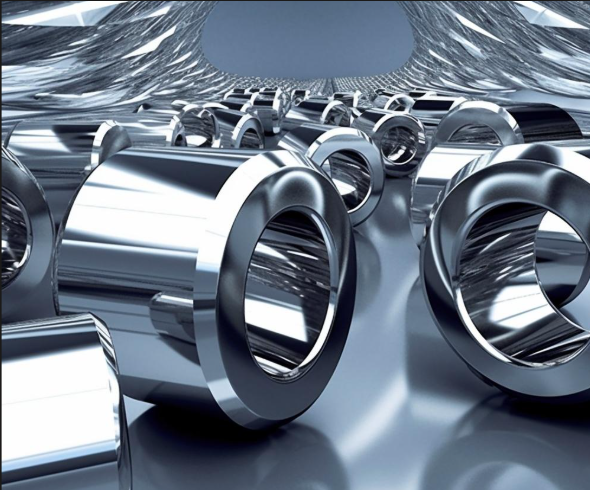
Tool Mark Removal
Manual polishing helps reduce CNC cutter lines, tool marks, machining transitions and visible surface defects before final use or downstream finishing.
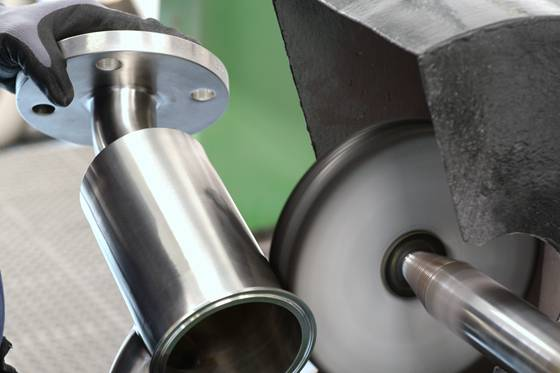
Brushed Metal Finish Support
We support brushed metal finishes with controlled grain direction for panels, covers, enclosures, housings and visible appearance parts.
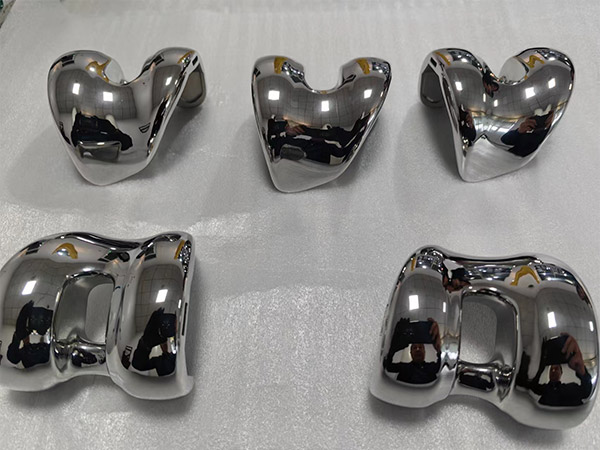
Mirror Polishing Capability
Mirror polishing is available for selected metal parts that require a reflective, smooth and high-end decorative surface finish.
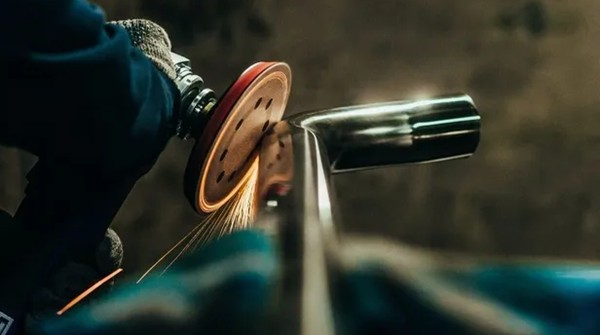
Visible Surface Control
We review visible surfaces, finish direction, edge condition, surface roughness and cosmetic requirements before production.
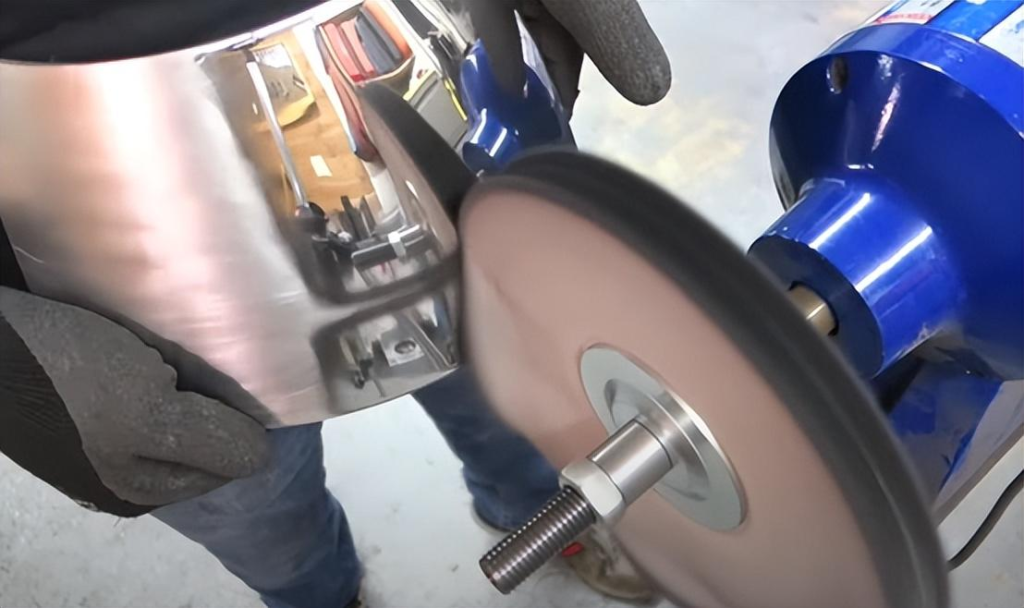
Machining and Finishing Integration
From CNC machining and deburring to sanding, brushing, polishing and inspection, we help customers manage both dimensional accuracy and final appearance.
Metal Polishing Parameters
The following parameters apply to common metal polishing and manual surface finishing projects. Final finish level, surface direction, polishing grade and appearance standard should be confirmed according to material, part geometry and application requirements.
| Item | Details |
|---|---|
| Process Types | Manual sanding, hand brushing, tool mark removal, hand polishing, mirror polishing |
| Suitable Materials | Aluminum, stainless steel, steel, brass, copper, titanium and selected metal parts |
| Common Surface Effects | Satin finish, brushed finish, semi-polished finish, polished finish, mirror-like finish |
| Main Benefits | Tool mark reduction, smoother surface, improved appearance, edge blending and better surface consistency |
| Supported Parts | CNC machined parts, sheet metal parts, panels, housings, brackets, covers, fixtures and appearance components |
| Key Considerations | Finish direction, visible surfaces, edge sharpness, dimensional tolerance, surface defects and handling marks |
| Surface Preparation Use | Can be used before anodizing, electroplating, PVD coating, painting, powder coating or passivation |
| Inspection Focus | Scratches, tool marks, polishing lines, surface uniformity, edge condition and appearance consistency |
| Industries | Medical devices, robotics, electronics, industrial equipment, aerospace, automotive and consumer products |
| File Formats | STEP, STP, IGES, X_T, SLDPRT, PDF, DWG |
Metal Polishing Services
We provide metal polishing and manual surface finishing services based on material type, cosmetic requirements, surface roughness target, visible surface location and downstream surface treatment. The right finishing method should be selected according to part function, surface direction, coating process and final product appearance.
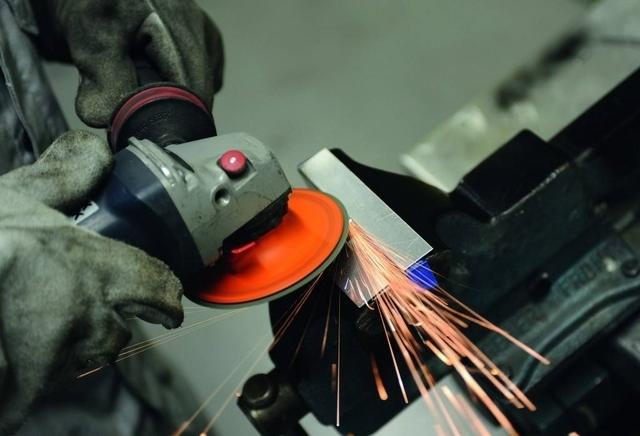
Manual Sanding
Manual sanding is used to smooth metal surfaces, reduce scratches, blend edges and prepare parts for polishing, brushing or coating.
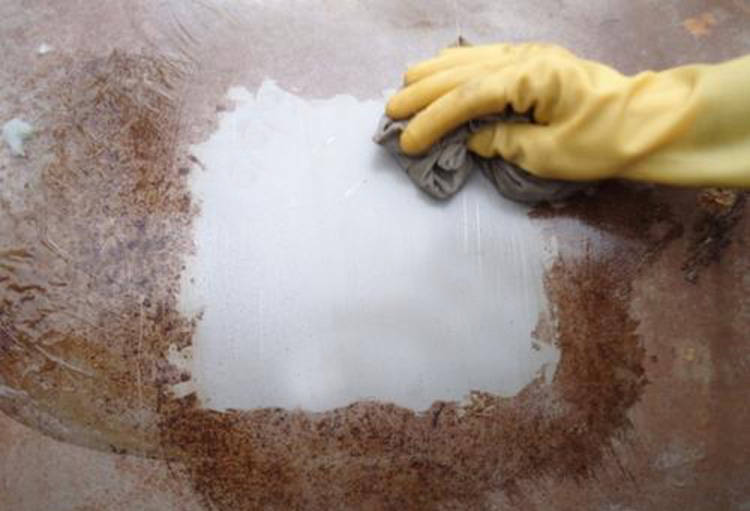
Hand Brushing
Hand brushing creates a directional brushed metal finish for panels, housings, covers and visible precision metal components.
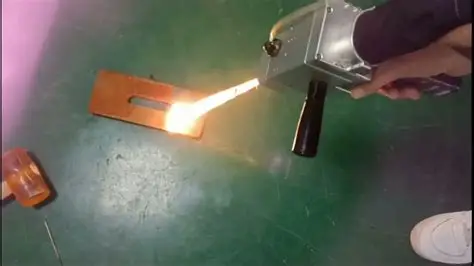
Tool Mark Removal
Tool mark removal helps reduce CNC cutter lines, machining marks, step marks and visible surface transitions on machined metal parts.
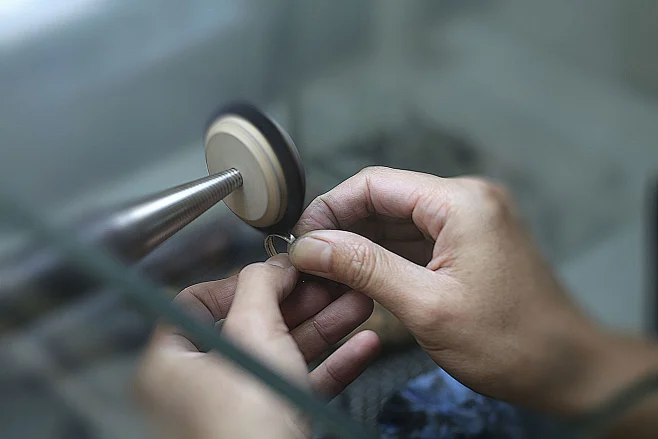
Hand Polishing
Hand polishing improves surface smoothness and visual quality for custom metal parts requiring a cleaner and more refined finish.
How Our Metal Polishing Service Works
Our metal polishing process is designed to control visible surface quality, tool mark removal, finish direction, edge condition and final appearance from engineering review to delivery.
-
01
Upload CAD Files and Finish Requirements
Send us your 3D CAD files, 2D drawings, material grade, quantity, visible surface requirements, finish direction, surface roughness target and reference photos if available.
-
02
Engineering Review
Our team reviews part geometry, visible areas, machining marks, edge conditions, tolerance-sensitive features and downstream surface treatment requirements.
-
03
Polishing Method Recommendation
Based on the material, part structure and appearance target, we recommend manual sanding, brushing, tool mark removal, hand polishing or mirror polishing.
-
04
Quotation and Lead Time Confirmation
We provide pricing, lead time and production notes based on finishing difficulty, surface area, quantity, cosmetic standard and inspection requirement.
-
05
Machining and Deburring
Parts are CNC machined, fabricated or formed according to the drawings, then deburred before manual polishing begins.
-
06
Manual Surface Finishing
Technicians apply sanding, brushing, polishing or mirror finishing according to the approved surface requirement and reference standard.
-
07
Cleaning and Appearance Inspection
Finished parts are cleaned and inspected for scratches, tool marks, polishing lines, surface consistency, edge condition and visible defects.
-
08
Packaging and Global Delivery
Parts are packed with surface protection to reduce scratches, fingerprints and handling damage during domestic or international shipping.
Manual Finishing Process Options
Different metal polishing methods are used for different surface goals. Manual sanding, brushed finishing, tool mark removal and mirror polishing should not be treated as the same process, because metal surfaces apparently have more personality than most meetings.
Manual Sanding Process
-
01
Surface Check
The surface is checked for machining marks, scratches, burrs, dents and uneven areas.
-
02
Abrasive Selection
Suitable sandpaper grit or abrasive material is selected based on material hardness and required finish level.
-
03
Controlled Sanding
The surface is sanded manually to smooth defects, blend transitions and prepare for the next finishing step.
-
04
Edge Blending
Sharp edges and corners can be lightly blended according to drawing or assembly requirements.
-
05
Surface Cleaning
The part is cleaned to remove dust, residue and loose particles before inspection or further treatment.
Brushed Metal Finish Process
-
01
Finish Direction Confirmation
The required brushing direction is confirmed before processing to ensure visual consistency across the part.
-
02
Surface Preparation
The surface is cleaned and leveled to reduce defects that may affect the brushed texture.
-
03
Manual Brushing
A directional linear texture is created using suitable abrasive tools and controlled hand movement.
-
04
Texture Consistency Check
The brushed pattern is checked for direction, uniformity, visible defects and surface transition marks.
-
05
Surface Protection
Brushed surfaces are protected carefully to reduce fingerprints, scratches and handling marks before packaging.
Tool Mark Removal Process
-
01
Machining Mark Review
CNC tool paths, cutter lines, step marks and transition areas are identified before finishing.
-
02
Local Surface Correction
Visible machining marks are reduced through controlled sanding or polishing.
-
03
Surface Blending
Adjacent surfaces are blended carefully to avoid obvious local repair marks.
-
04
Dimensional Risk Check
Tolerance-sensitive areas are reviewed to avoid excessive material removal during polishing.
-
05
Final Appearance Inspection
The surface is checked under suitable lighting for remaining tool marks, scratches and visual inconsistency.
Mirror Polishing Process
-
01
Initial Surface Preparation
The part surface is prepared by sanding or pre-polishing to remove obvious marks and defects.
-
02
Progressive Polishing
Finer polishing steps are applied gradually to improve smoothness and reflectivity.
-
03
Detail Area Finishing
Corners, edges, grooves and visible details are polished carefully to improve surface consistency.
-
04
Cleaning and Residue Removal
Polishing residue, dust and fingerprints are removed before final inspection.
-
05
Mirror Surface Inspection
The polished surface is inspected for scratches, haze, polishing marks, uneven reflection and handling defects.
Machining and Surface Treatment Support
Metal polishing can be combined with CNC machining, sheet metal fabrication and other surface treatments to achieve both dimensional accuracy and final appearance quality.
CNC Machining
We support CNC milling, CNC turning and complex machining for custom metal parts that require polishing after machining.
Sheet Metal Fabrication
We provide sheet metal cutting, bending and fabrication support for panels, enclosures, covers and brackets that require brushing or polishing.
Deburring
Deburring removes sharp edges and burrs before manual sanding, polishing or downstream coating.
Pre-Coating Surface Preparation
Metal polishing can be used before anodizing, electroplating, PVD coating, painting, powder coating or passivation.
Cosmetic Surface Control
We help define visible surfaces, finish direction and acceptable appearance standards before production.
DFM Support
Our team evaluates how polishing may affect dimensions, surface texture, edge condition, coating quality and final assembly.
Frequently Asked Questions
Common questions about metal polishing, manual sanding, brushed metal finishing, tool mark removal and mirror polishing for precision metal parts.
What is metal polishing used for?
Metal polishing is used to improve the appearance, smoothness and surface consistency of metal parts. It can reduce tool marks, scratches, burrs, machining lines and surface defects on CNC machined or fabricated components.
What metal polishing services do you offer?
We offer manual sanding, hand brushing, tool mark removal, hand polishing and mirror polishing for custom metal parts.
Can polishing remove CNC machining marks?
Yes. Manual sanding and polishing can reduce visible CNC tool marks, cutter lines and surface transitions. Deep machining marks may require additional material removal or process adjustment.
What is a brushed metal finish?
A brushed metal finish is a directional linear surface texture created by abrasive processing. It is commonly used for panels, housings, covers, enclosures and visible metal components.
What is mirror polishing?
Mirror polishing is a high-level polishing process used to create a smooth, bright and reflective surface. It is suitable for selected appearance parts, decorative components and precision metal products.
What materials can be polished?
Metal polishing can be applied to aluminum, stainless steel, steel, brass, copper, titanium and selected metal materials. The final result depends on material hardness, surface condition and finish requirement.
Does polishing affect dimensions?
Yes. Manual sanding and polishing remove a small amount of material, so critical dimensions, sealing surfaces and precision fitting areas should be clearly marked on the drawing.
Can polishing be used before anodizing or plating?
Yes. Metal polishing is often used before anodizing, electroplating, PVD coating, painting or passivation to improve surface appearance and reduce visible defects.
Is manual polishing suitable for batch production?
Yes, but finish consistency should be clearly defined with drawings, reference samples or appearance standards. Manual polishing may have more variation than fully automated finishing.
What information is needed for a metal polishing quotation?
Please provide 3D CAD files, 2D drawings, material grade, quantity, finish type, visible surface requirements, surface roughness target, reference photos and critical dimension notes.

Need Metal Polishing for Your Precision Metal Parts?
Upload your CAD files today. Our engineering team will review your material, part structure, visible surfaces, finish direction, surface quality target and critical dimensions, then provide practical DFM feedback and a fast quotation.