Processing Services
Die Casting Services
PROFIT specialize in precision aluminum and zinc die casting, producing complex components with consistent quality, tight tolerances, and lower unit costs. From tooling development to mass production, our engineering team helps OEMs bring products to market faster and more efficiently.
What Are Die Casting Services?
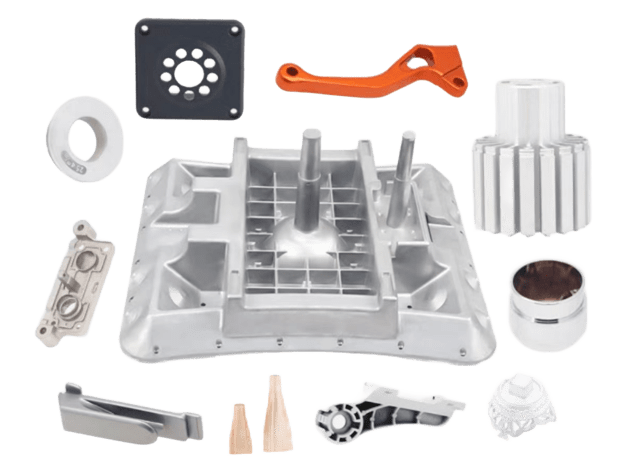
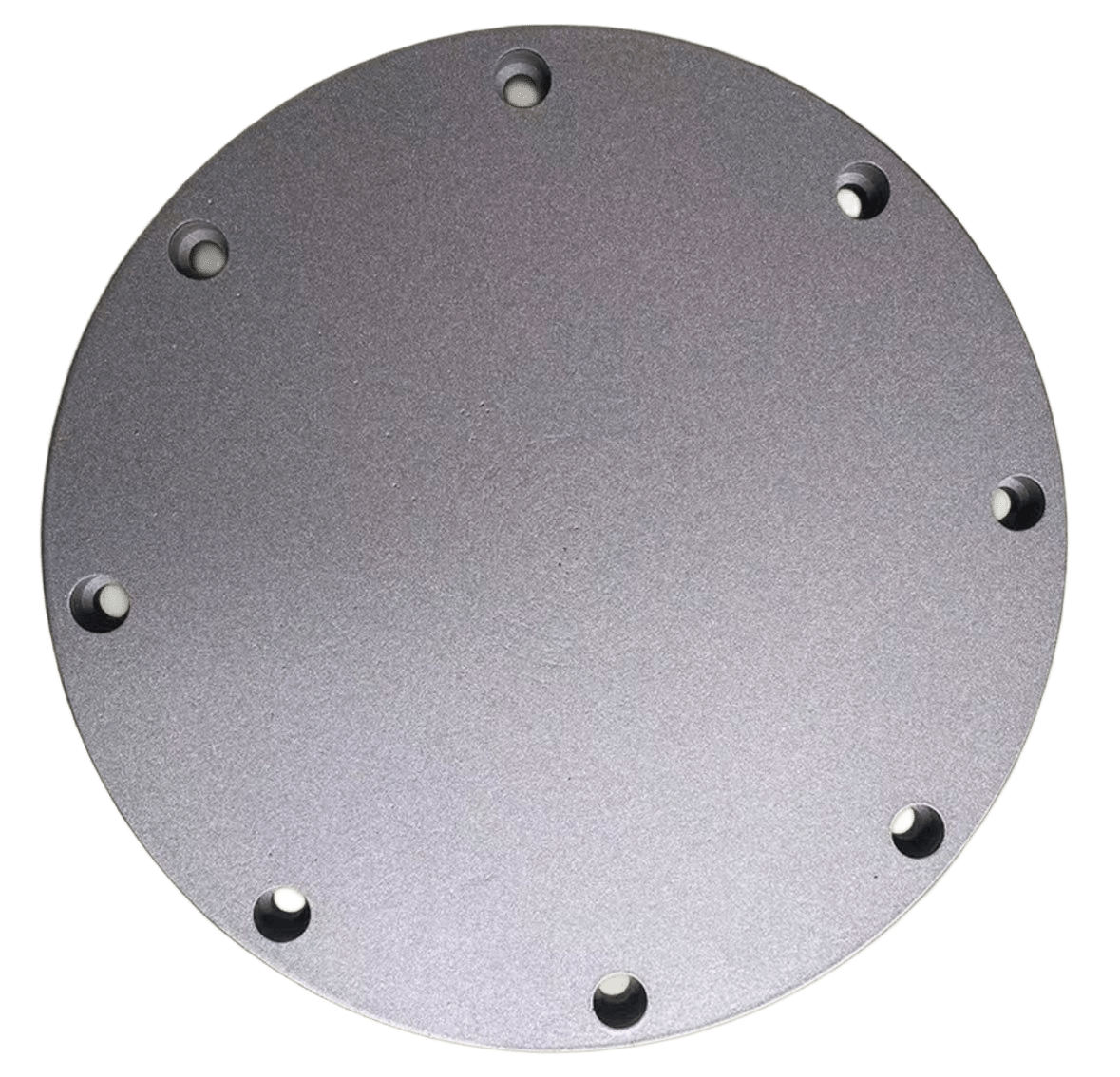
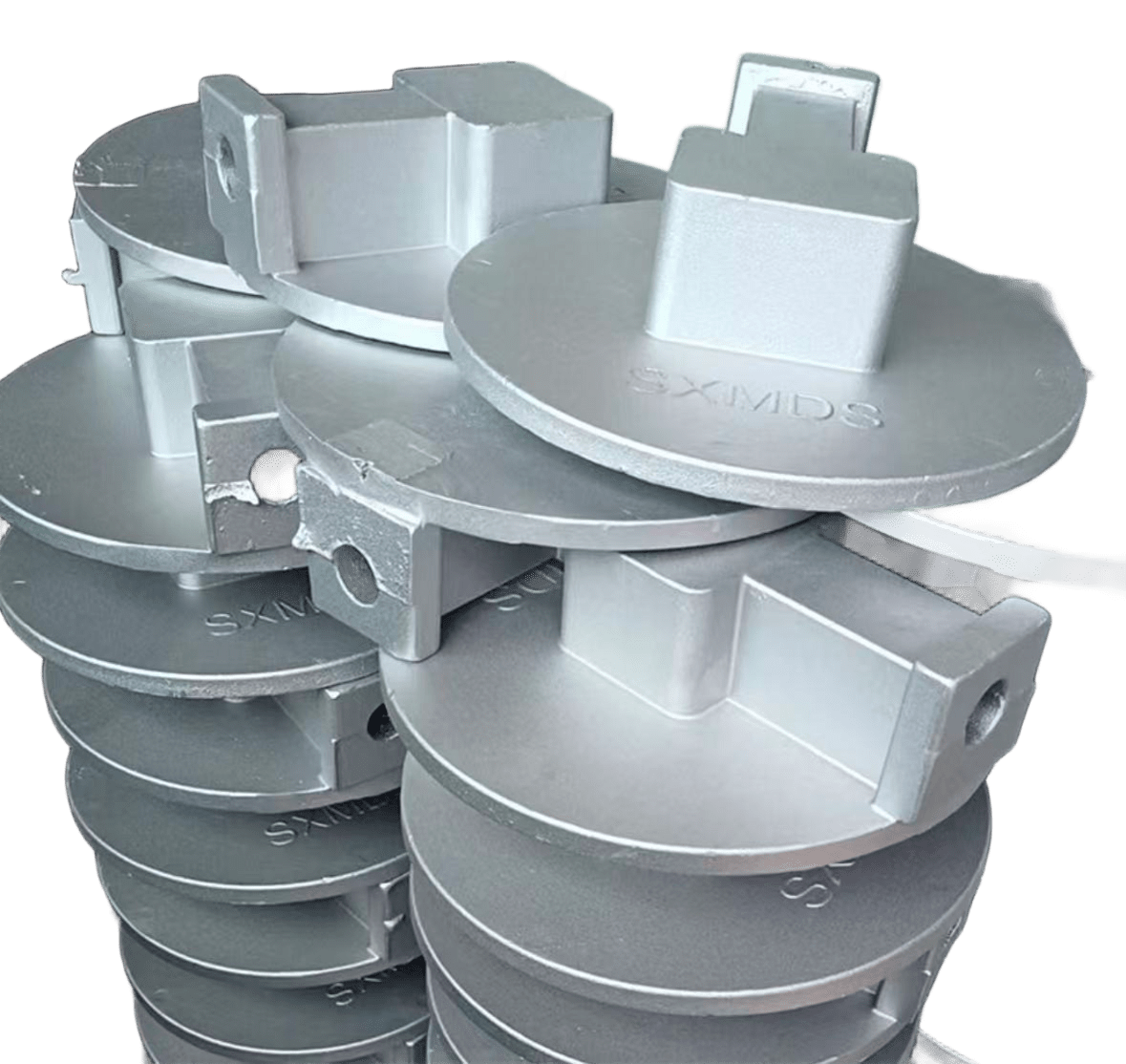
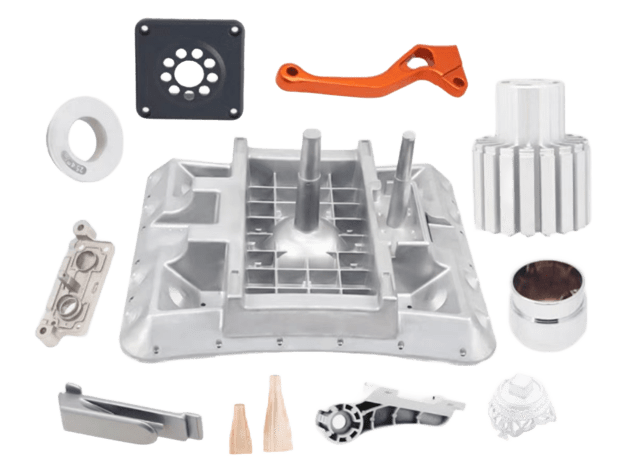
Die casting services are precision metal manufacturing solutions used to produce strong, accurate, and repeatable metal components. In the die casting process, molten metal is injected into a hardened steel mold under high pressure, creating complex parts with tight tolerances, smooth surfaces, and consistent quality.
PROFIT provides custom die casting services for aluminum, zinc, and magnesium alloy parts. Our solutions are suitable for OEMs, product developers, and industrial manufacturers that need reliable metal casting, precision machining, surface finishing, and scalable production support.
Compared with many other metal manufacturing methods, die casting is especially effective for medium to high-volume production. It helps reduce unit cost, improve production efficiency, and maintain stable part quality across large batches.
How Does the Die Casting Process Work?
The die casting process combines mold engineering, controlled metal injection, rapid cooling, trimming, finishing, and inspection. Each step plays an important role in achieving accurate dimensions, reliable strength, and repeatable production quality.
Mold Preparation
The steel mold is cleaned, lubricated, and prepared to support smooth metal flow and easy part release.
Metal Melting
The selected aluminum, zinc, or magnesium alloy is melted at a controlled temperature before injection.
High-Pressure Injection
Molten metal is injected into the mold cavity under high pressure to form the required part geometry.
Cooling and Solidification
The metal cools rapidly inside the die and solidifies into a precise cast component.
Ejection and Trimming
The casting is removed from the mold, and excess material such as flash, runners, and gates is trimmed.
Finishing and Inspection
Secondary machining, surface finishing, and quality inspection are completed according to customer requirements.
Advantages of Die Casting
Die casting offers strong advantages for companies that need precision metal parts with stable quality and efficient production. It is widely chosen for parts that require complex shapes, thin walls, smooth surfaces, and reliable mechanical performance.
Key Benefits
- High Precision: Supports tight tolerances and accurate part dimensions.
- Excellent Surface Finish: Produces smooth surfaces and reduces secondary processing.
- High Production Efficiency: Suitable for medium and high-volume manufacturing.
- Complex Geometry: Allows thin walls, ribs, bosses, holes, and detailed structures.
- Consistent Quality: Delivers repeatable results across large production batches.
Business Value
- Lower Unit Cost: Tooling investment can reduce cost in mass production.
- Scalable Production: Ideal for growing OEM and industrial projects.
- Reduced Waste: Efficient material usage supports cost control.
- Integrated Services: Casting, machining, finishing, and assembly can be combined.
- Reliable Supply: Stable processes help support long-term production programs.
Die Casting Materials
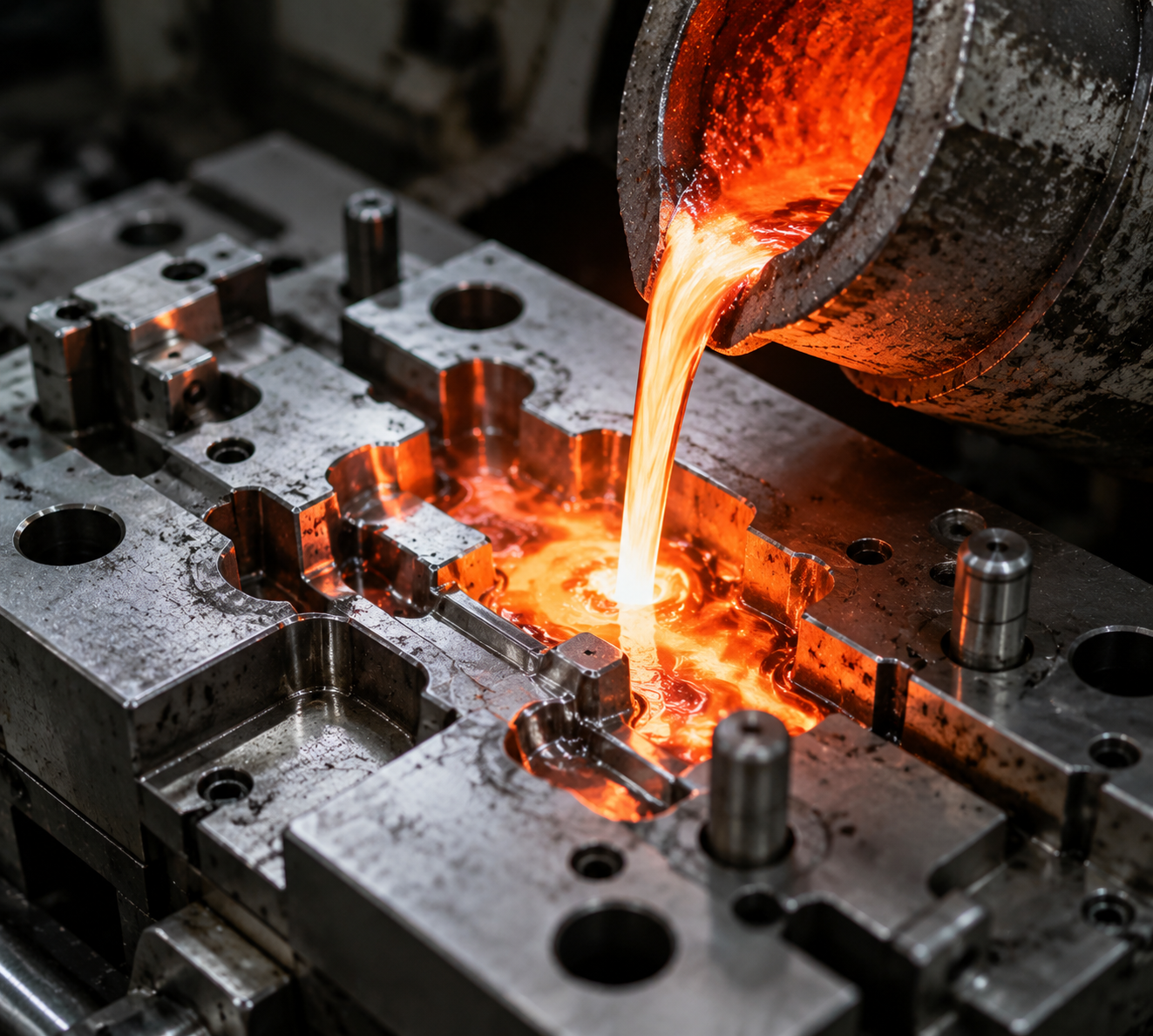
Material selection directly affects strength, weight, corrosion resistance, thermal performance, surface quality, and production cost. PROFIT helps customers select suitable die casting alloys based on product function, application environment, and manufacturing requirements.
Aluminum Die Casting
Aluminum die casting is widely used because it offers lightweight performance, corrosion resistance, good thermal conductivity, and a strong strength-to-weight ratio. It is commonly used for automotive parts, electronic housings, heat sinks, industrial components, and structural parts.
Zinc Die Casting
Zinc die casting provides excellent dimensional stability, smooth surface quality, high casting accuracy, and strong detail reproduction. It is suitable for small and complex parts, connectors, hardware components, enclosures, and precision industrial parts.
Magnesium Die Casting
Magnesium die casting is often selected when lightweight performance is critical. It offers good machinability, stable strength, and weight reduction benefits for electronics, automotive parts, portable devices, and aerospace-related components.
Surface Finishing Options for Die Cast Parts
Surface finishing improves the appearance, corrosion resistance, wear resistance, and durability of die cast parts. PROFIT provides finishing options for both functional performance and decorative requirements.
Powder Coating
Powder coating creates a durable protective layer with good corrosion resistance, color consistency, and surface appearance. It is often used for industrial equipment, consumer products, and outdoor components.
Anodizing
Anodizing is commonly used for aluminum die cast parts. It improves surface hardness, wear resistance, corrosion resistance, and visual appearance.
Sand Blasting
Sand blasting creates a uniform matte texture, removes minor surface imperfections, and prepares parts for additional finishing processes.
Electroplating
Electroplating applies a metallic coating to improve corrosion resistance, electrical conductivity, wear resistance, and decorative quality.
Custom Die Casting Applications
Custom die casting is used across many industries because it supports strong, lightweight, and complex metal components. PROFIT works with OEM customers, product companies, and industrial manufacturers to support component production from prototype development to mass production.
Automotive
Die casting is used for motor covers, housings, brackets, transmission parts, heat dissipation components, and structural metal parts.
Electronics
Common applications include heat sinks, enclosures, connectors, communication housings, shielding parts, and precision brackets.
Industrial Equipment
Die cast parts are used in pump housings, valve bodies, automation equipment, machinery components, and control system hardware.
Consumer Products
Applications include power tool housings, lighting fixtures, appliance parts, hardware products, and durable metal components.
Die Casting Quality Control and Inspection
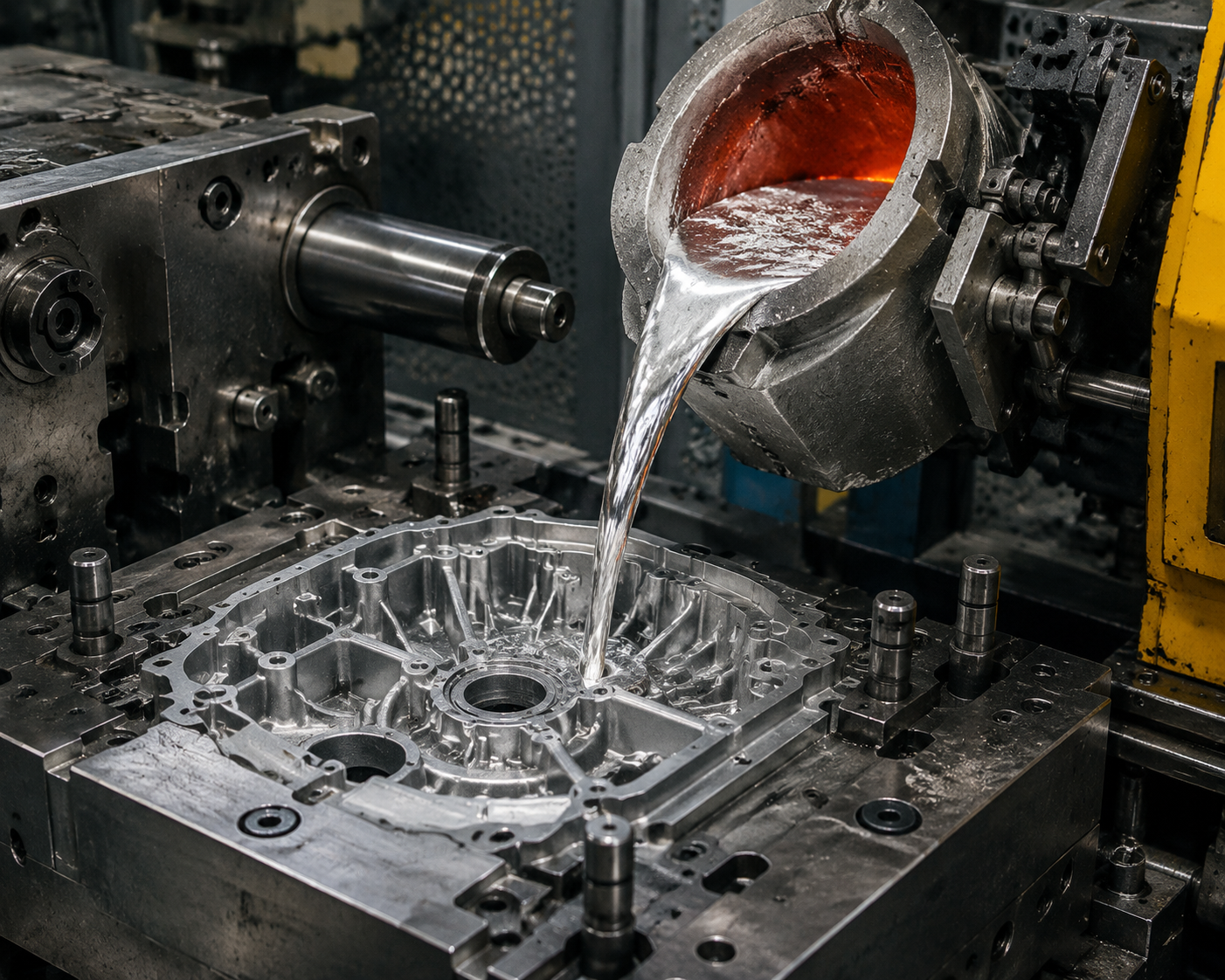
Quality control is essential for reliable die casting services. PROFIT follows strict inspection procedures throughout mold development, casting, machining, surface finishing, and final shipment to help ensure stable dimensions and consistent performance.
Inspection Capabilities
- CMM inspection
- Dimensional verification
- First Article Inspection
- Visual inspection
- Material verification
- Functional testing
Quality Documentation
- Material certificates
- Inspection reports
- Production traceability
- Process control records
- PPAP support when required
- Quality management procedures
Why Choose PROFIT for Die Casting Services?
PROFIT provides complete die casting services for customers that need dependable engineering support, stable manufacturing, quality control, and global delivery. From early design review to full-scale production, our team helps customers improve manufacturability, reduce risk, and control production cost.
Engineering Support
We support DFM analysis, mold design optimization, material recommendations, and production improvement before manufacturing begins.
Manufacturing Capability
Our services include aluminum die casting, zinc die casting, CNC machining, surface finishing, assembly, and custom production support.
Quality Assurance
We use structured inspection procedures to control dimensions, surface quality, material performance, and batch consistency.
Global Delivery
We support international customers with export experience, reliable communication, stable lead times, and long-term supply capability.
Frequently Asked Questions About Die Casting Services
What are die casting services?
Die casting services include mold design, metal casting, trimming, CNC machining, surface finishing, inspection, and production support for custom metal parts.
What materials can be used for die casting?
Common die casting materials include aluminum, zinc, and magnesium alloys. The best material depends on weight, strength, corrosion resistance, surface finish, and application requirements.
When should I choose aluminum die casting?
Aluminum die casting is a good choice when your part needs lightweight performance, corrosion resistance, thermal conductivity, and good mechanical strength.
What tolerance can die casting achieve?
Die casting can achieve stable dimensional accuracy, but exact tolerance depends on material, part size, geometry, mold design, and post-machining requirements.
Is die casting suitable for low-volume production?
Die casting is usually more cost-effective for medium and high-volume production because mold tooling requires an initial investment. For low-volume projects, CNC machining or prototype casting may be considered first.
Can die cast parts be CNC machined?
Yes. CNC machining is often used after die casting to create precise holes, threads, flat surfaces, sealing areas, and other critical features.
What surface finishes are available for die cast parts?
Common surface finishes include powder coating, anodizing, sand blasting, electroplating, polishing, painting, and other custom finishing options.
How much does die casting cost?
Die casting cost depends on material, part size, mold complexity, tolerance requirements, finishing needs, order quantity, and inspection standards.
What industries use die casting?
Die casting is widely used in automotive, electronics, industrial equipment, telecommunications, robotics, consumer products, hardware, and medical device components.
Can PROFIT help optimize my die casting design?
Yes. PROFIT can review your drawings and provide manufacturability suggestions to improve mold performance, reduce casting defects, and lower production cost.