Service Type
We provide aluminum anodizing services for CNC machined aluminum parts, custom components, prototypes and production batches.
Precision aluminum anodizing solutions for CNC machined parts, prototypes and production components, helping improve corrosion resistance, wear resistance, surface appearance and long-term product performance.
✓ Natural, black, color and hard anodizing options
✓ Suitable for CNC machined aluminum parts and custom components
✓ Supports sandblasting, brushing, polishing and masking requirements
✓ DFM support for surface finish, coating thickness and critical dimensions
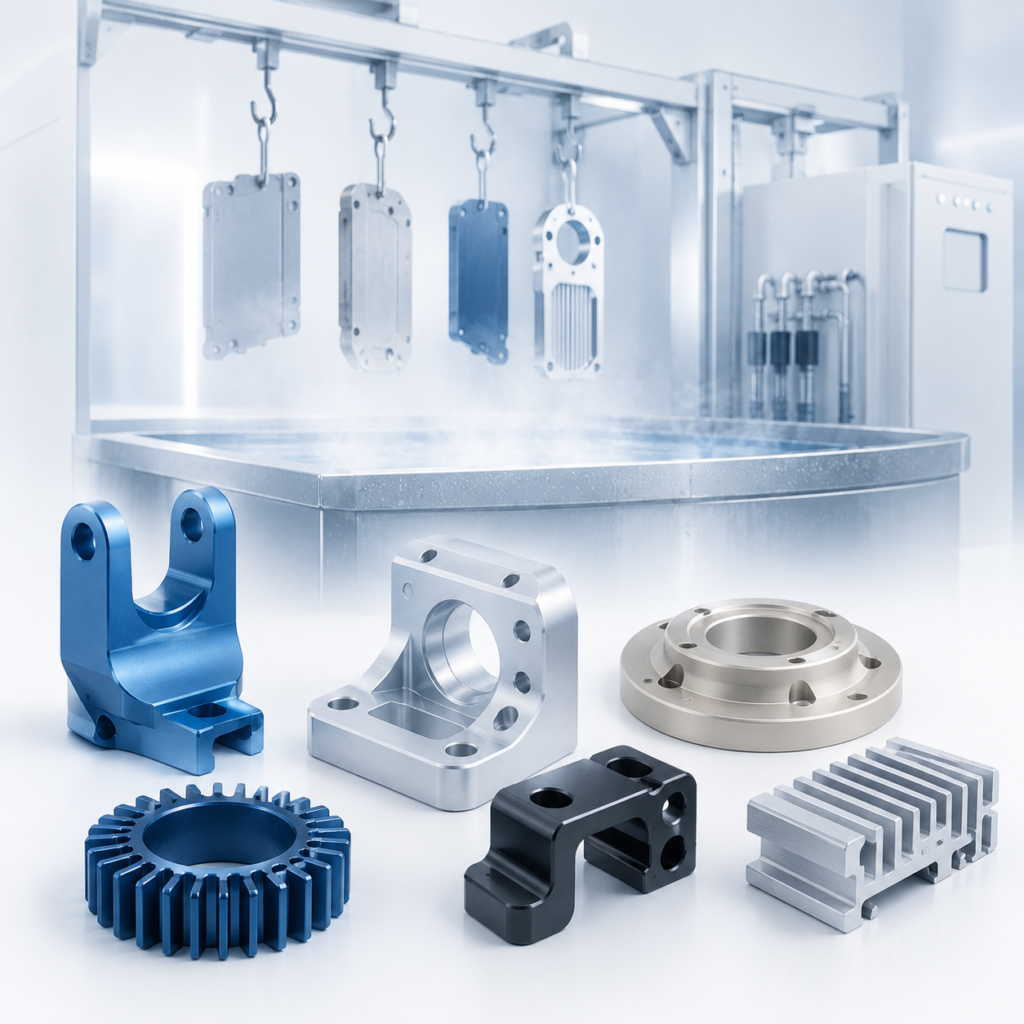
Aluminum anodizing is used to improve corrosion resistance, wear resistance, surface durability, color stability and the final appearance of CNC machined aluminum parts, prototypes and production components.
We provide aluminum anodizing services for CNC machined aluminum parts, custom components, prototypes and production batches.
Common materials include 6061, 6063, 6082, 7075 and other aluminum alloys used for precision machined parts.
Available options include natural anodizing, black anodizing, color anodizing and hard anodizing for functional or appearance-critical parts.
Sandblasting, brushing, polishing, deburring and cleaning can be arranged according to the required surface texture and visual result.
We review coating thickness, color consistency, surface defects, masking areas, critical dimensions and batch quality before delivery.
Used in aerospace, medical devices, robotics, automation, electronics, industrial equipment and custom product manufacturing.
Aluminum anodizing is an electrochemical surface treatment process that forms a controlled oxide layer on the surface of aluminum parts. This oxide layer improves corrosion resistance, wear resistance, electrical insulation and surface durability while allowing the part to achieve a clean, consistent and professional appearance.
Unlike paint or ordinary coating, anodizing becomes part of the aluminum surface instead of simply sitting on top of it. This makes anodized aluminum parts more durable and less likely to peel, chip or flake during normal use. For CNC machined aluminum components, anodizing is widely used when both function and appearance matter.
Aluminum anodizing is commonly applied to enclosures, brackets, housings, heat sinks, robotic parts, medical device components, aerospace parts, automation equipment and consumer electronics structures. In plain manufacturing language: it helps aluminum parts look better, last longer and survive real-world use without embarrassing everyone involved.
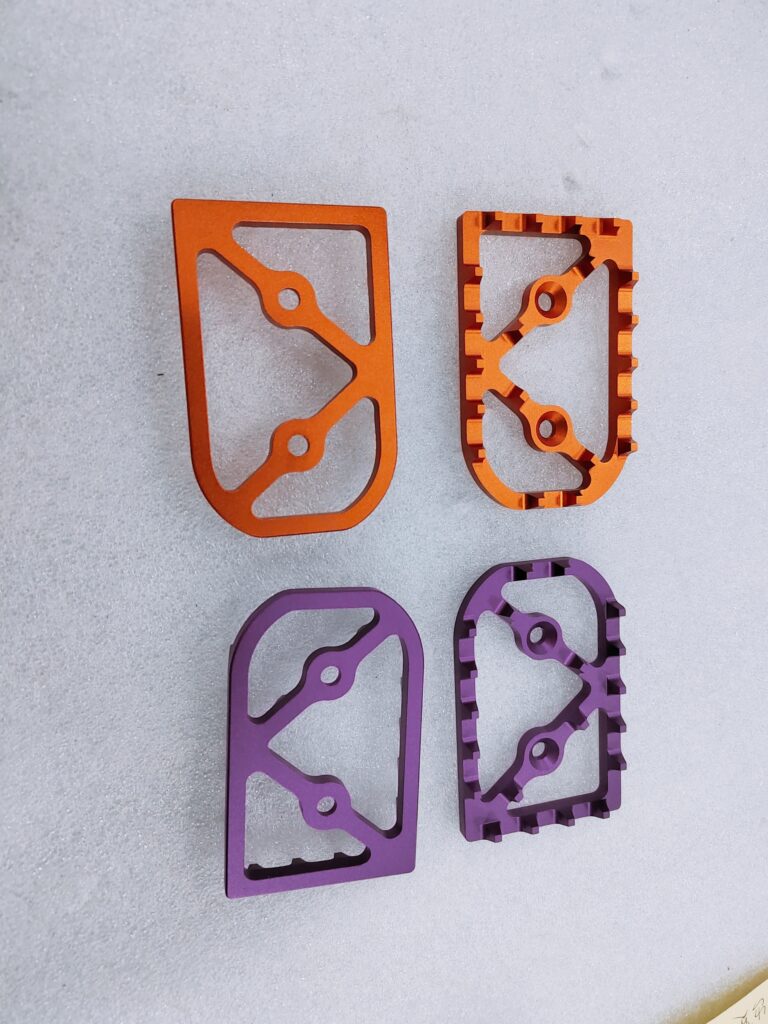
We provide anodizing support for CNC machined aluminum parts, including housings, brackets, panels, connectors, fixtures and complex custom components.
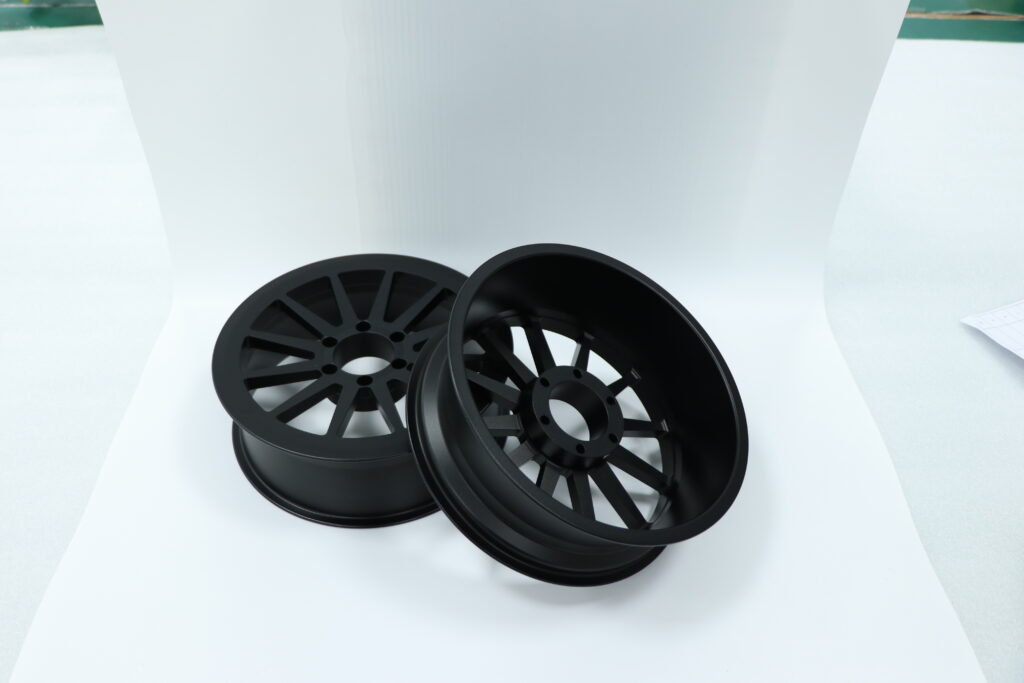
We support natural, black and color anodizing options to help customers achieve stable visual quality across prototypes, small batches and production runs.
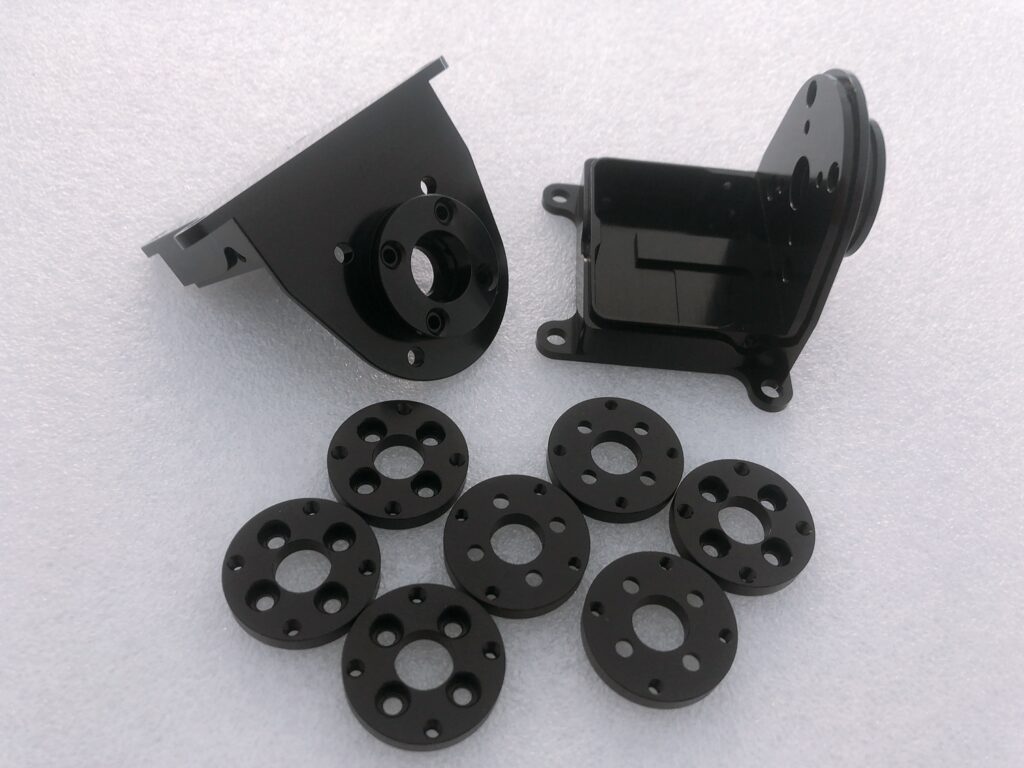
Anodizing affects coating thickness and mating surfaces. Our engineering team reviews critical holes, threads, sealing areas and assembly dimensions before production.
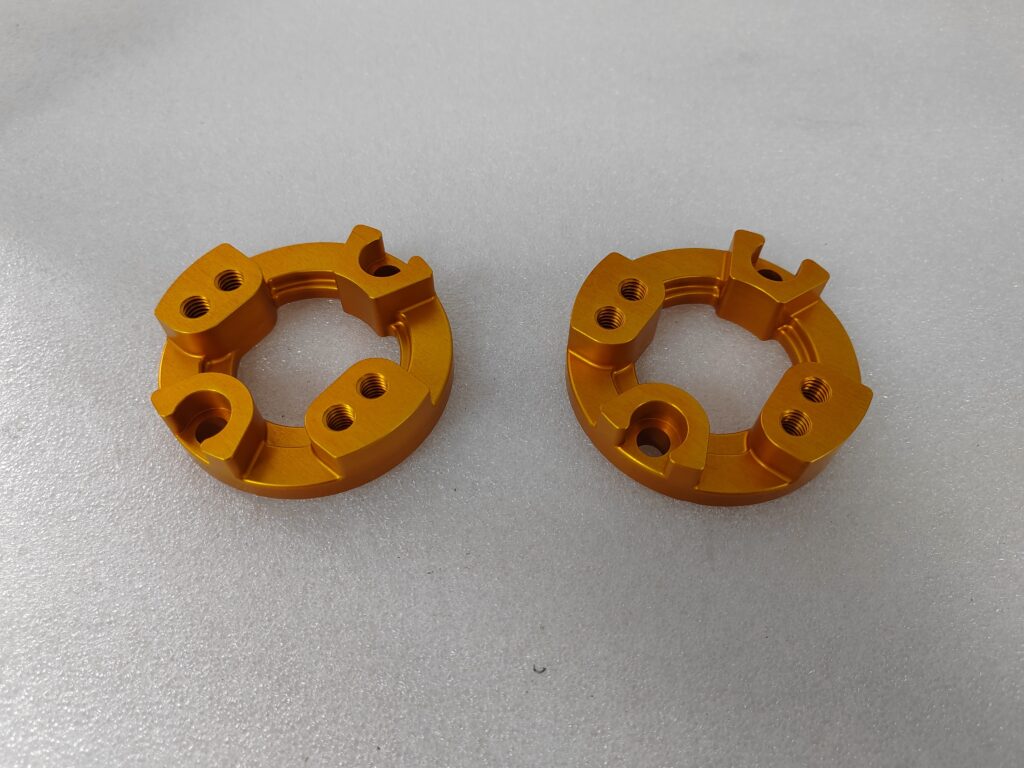
From CNC machining and deburring to sandblasting, brushing, polishing and anodizing, we help reduce supplier coordination and shorten manufacturing lead time.
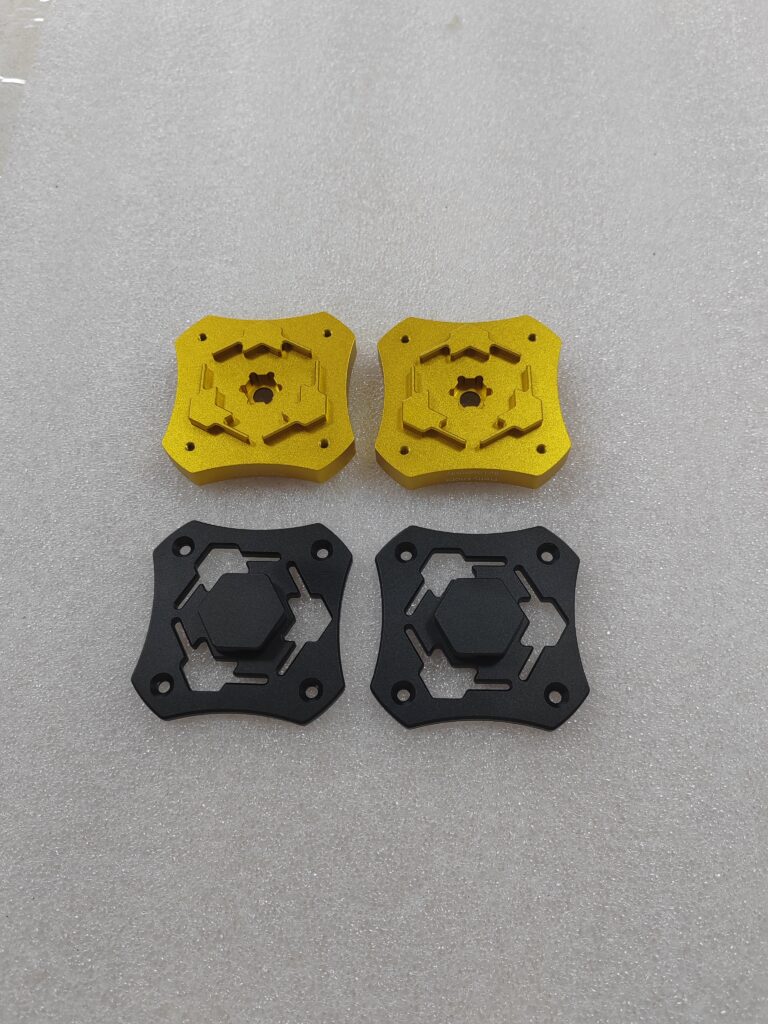
For repeat production, we focus on color consistency, surface defects, coating uniformity, part handling and dimensional stability.
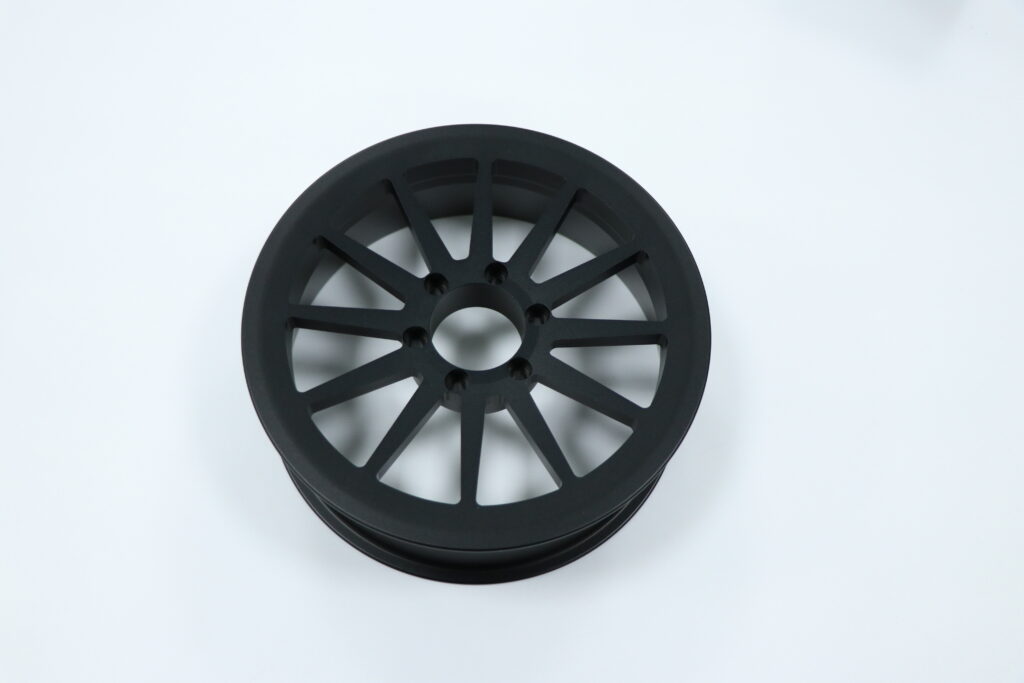
We provide practical DFM suggestions based on material grade, part structure, surface requirements, coating thickness and end-use conditions.
The following parameters apply to common aluminum anodizing projects for CNC machined parts. Final coating thickness, color and appearance should be confirmed according to aluminum grade, part geometry, tolerance requirements and application environment.
| Item | Details |
|---|---|
| Suitable Materials | 6061, 6063, 6082, 7075 and other aluminum alloys |
| Anodizing Types | Natural anodizing, black anodizing, color anodizing, hard anodizing |
| Common Colors | Natural, black, silver, red, blue, gold and custom colors |
| Typical Thickness | Standard anodizing: approx. 5–25 μm; hard anodizing available upon request |
| Pre-Treatment Options | Sandblasting, brushing, polishing, deburring and cleaning |
| Surface Appearance | Matte, semi-matte, fine texture, brushed finish and bright finish |
| Main Benefits | Corrosion resistance, wear resistance, color stability and improved appearance |
| Supported Parts | CNC aluminum housings, brackets, heat sinks, panels, fixtures and custom components |
| Industries | Aerospace, medical devices, robotics, automation, electronics and industrial equipment |
| File Formats | STEP, STP, IGES, X_T, SLDPRT, PDF, DWG |
We provide different aluminum anodizing options based on part function, appearance requirements, wear conditions and production volume. Choosing anodizing is not just about picking a color, because apparently manufacturing likes to hide consequences inside every tiny decision. Coating thickness, surface preparation, masking and dimensional tolerance must all be reviewed before production.
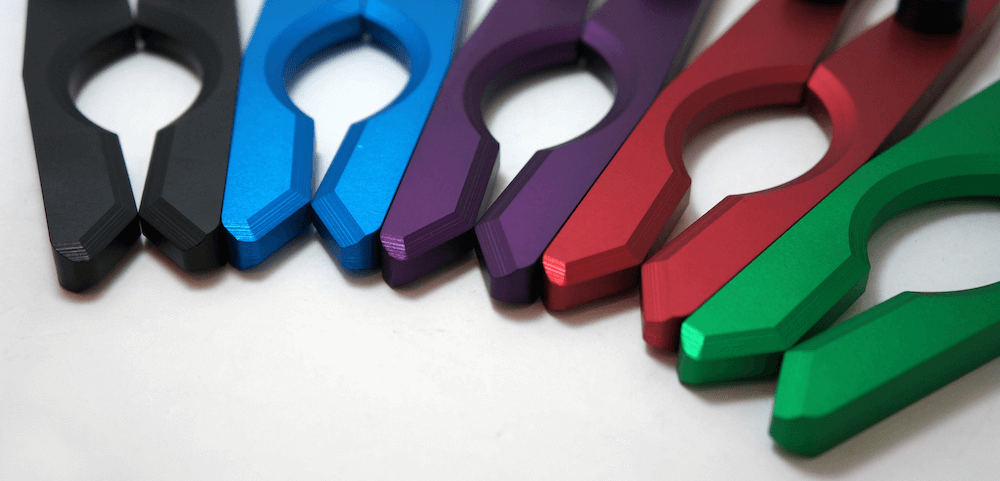
Natural anodizing keeps the metallic look of aluminum while improving corrosion resistance and surface durability. It is commonly used for industrial parts, brackets, housings and functional components.
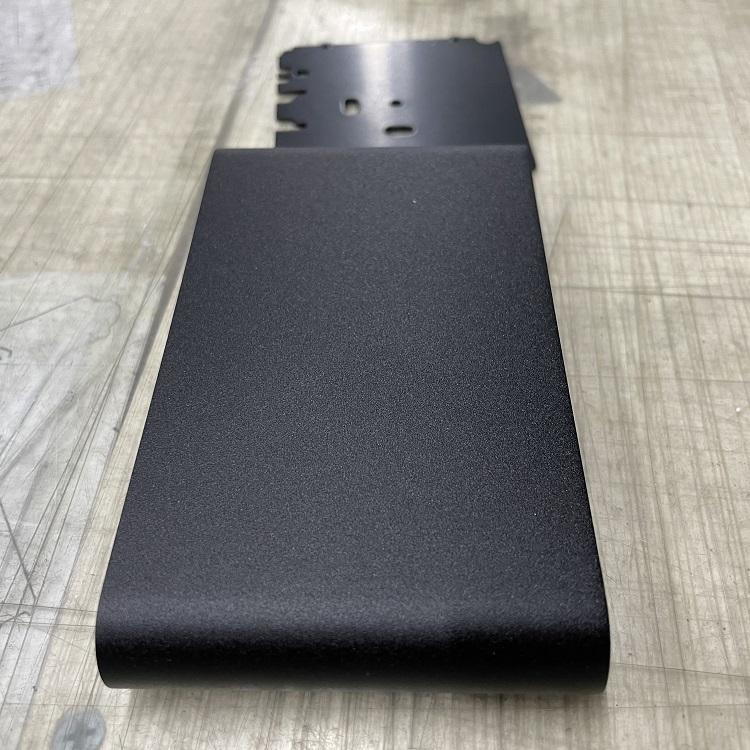
Black anodizing is one of the most widely used finishes for aluminum parts. It is suitable for equipment housings, mechanical parts, optical components, automation parts and visible product structures.
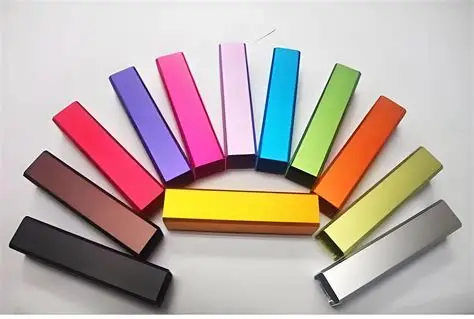
Color anodizing provides decorative and functional surface finishes for custom aluminum parts. It is often used for consumer electronics, branded components, panels and appearance-critical products.
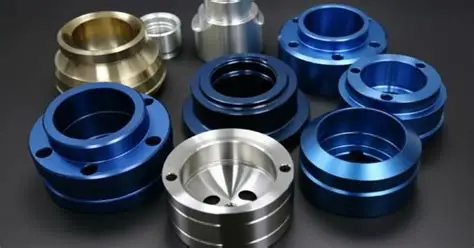
Hard anodizing is used when aluminum parts require higher wear resistance, better corrosion protection and longer service life in demanding working environments.
Our aluminum anodizing process follows a controlled workflow from drawing review to surface preparation, anodizing, coloring, sealing, inspection and packaging for custom aluminum parts.
We review the material grade, color requirement, coating thickness, visible surfaces, masking areas, threads, holes, tolerances and assembly conditions.
The aluminum parts are machined according to the drawings, then deburred and cleaned to prepare the surface for finishing.
Depending on the required appearance, we apply sandblasting, brushing, polishing or cleaning to create a stable surface before anodizing.
The aluminum parts go through an electrochemical anodizing process to form a controlled oxide layer on the surface.
If color anodizing is required, the parts are dyed and sealed to improve color stability, corrosion resistance and surface performance.
We inspect appearance, color, surface defects, coating condition, critical dimensions and batch consistency before packaging and delivery.
In addition to aluminum anodizing, we also provide CNC machining and surface preparation services for custom aluminum parts. This helps customers reduce supplier communication, improve production consistency and manage quality from machining to final finish.
We support precision milling, turning and complex CNC machining for custom aluminum components.
Sandblasting creates a uniform matte texture and helps improve the visual consistency of anodized aluminum parts.
Brushing is suitable for aluminum panels, housings and visible components that require a directional metal grain effect.
Polishing improves surface smoothness and brightness before anodizing or other finishing processes.
We review threaded holes, precision bores and assembly areas to reduce the risk of coating-related fit issues.
Our team evaluates how anodizing may affect color, coating thickness, dimensions, masking strategy and final assembly.
Common questions about aluminum anodizing, CNC aluminum parts and surface finishing requirements.
Aluminum anodizing is used to improve corrosion resistance, wear resistance, surface hardness, appearance and color stability. It is commonly applied to CNC machined aluminum parts, housings, brackets, panels, heat sinks and industrial components.
6061, 6063 and 6082 aluminum alloys are commonly used for anodizing. 7075 aluminum can also be anodized, but the final color and surface appearance may differ from 6000 series aluminum, so it should be confirmed before production.
Yes. Anodizing creates an oxide layer on the aluminum surface, so coating thickness may affect holes, threads, mating surfaces and tight-tolerance areas. Critical dimensions should be marked clearly on the drawing.
Yes. We provide black anodizing for CNC aluminum parts, including housings, brackets, panels, optical parts, automation components and industrial equipment parts.
Yes. Color anodizing can be used to produce natural, black, red, blue, gold, silver and other finishes. Color consistency depends on aluminum grade, surface preparation, part geometry and batch conditions.
Standard anodizing is often used for corrosion resistance and appearance. Hard anodizing creates a thicker and harder oxide layer, making it more suitable for parts that require higher wear resistance and better durability.
Not always. Sandblasting is recommended when a uniform matte surface is required or when machining marks need to be reduced. For brushed or polished finishes, other pre-treatment methods may be more suitable.
Yes. We can support CNC machining, deburring, sandblasting, brushing, polishing and anodizing as an integrated manufacturing solution for custom aluminum parts.
Please provide 3D CAD files, 2D drawings, aluminum grade, quantity, color requirement, coating thickness requirement, surface texture requirement and any critical dimensions or masking areas.
Yes. We support prototype, low-volume and production anodized aluminum parts. For appearance-critical projects, sample confirmation is recommended before mass production.

Upload your CAD files today. Our engineering team will review your aluminum material, part structure, surface finish requirements, color expectations, coating thickness and critical dimensions, then provide DFM feedback and a fast quotation.