
Service Type
We provide electroplating services for CNC machined parts, sheet metal components, stamped parts, fasteners, connectors and custom metal products.
Precision electroplating solutions for CNC machined parts, sheet metal components and custom metal products, helping improve corrosion resistance, wear resistance, conductivity, appearance and long-term surface performance.
✓ Nickel, zinc, chrome, copper and tin plating options
✓ Suitable for steel, stainless steel, brass, copper and aluminum parts
✓ Supports functional plating, decorative plating and corrosion protection
✓ DFM support for coating thickness, masking, threads and critical dimensions
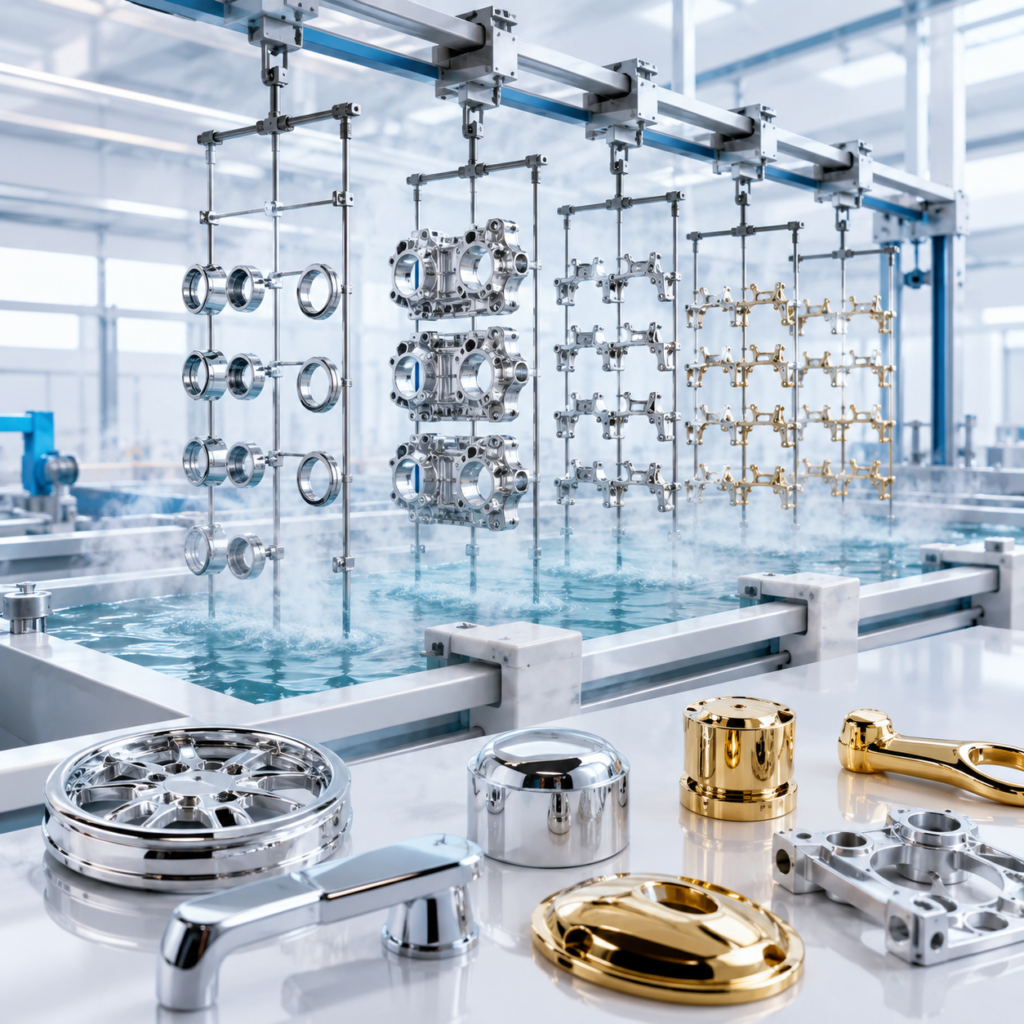
Electroplating is used to improve corrosion resistance, wear resistance, conductivity, solderability and surface appearance of CNC machined parts, sheet metal components and custom metal products.
We provide electroplating services for CNC machined parts, sheet metal components, stamped parts, fasteners, connectors and custom metal products.
Common materials include steel, stainless steel, brass, copper, aluminum, zinc alloy and other metal materials.
Available options include nickel plating, zinc plating, chrome plating, copper plating, tin plating and custom functional plating.
Cleaning, degreasing, polishing, sandblasting, brushing and activation can be arranged according to the required finish.
We review coating thickness, adhesion, masking areas, critical dimensions, surface defects and batch quality before delivery.
Used in automotive, electronics, medical devices, robotics, aerospace, industrial equipment and custom product manufacturing.
Electroplating is a metal surface finishing process that deposits a thin layer of metal onto the surface of a part through an electrochemical reaction. The plated layer can improve corrosion resistance, wear resistance, electrical conductivity, solderability, hardness and appearance, depending on the plating material and application requirements.
Electroplating is widely used for CNC machined parts, sheet metal parts, stamped parts, fasteners, connectors, housings, brackets, shafts and precision mechanical components. Common plating types include nickel plating, zinc plating, chrome plating, copper plating and tin plating.
For custom metal parts, electroplating is not only about making the surface shiny, because apparently manufacturing refuses to be that simple. The correct plating process must consider base material, coating thickness, surface roughness, masking areas, threaded holes, contact surfaces and the final working environment.
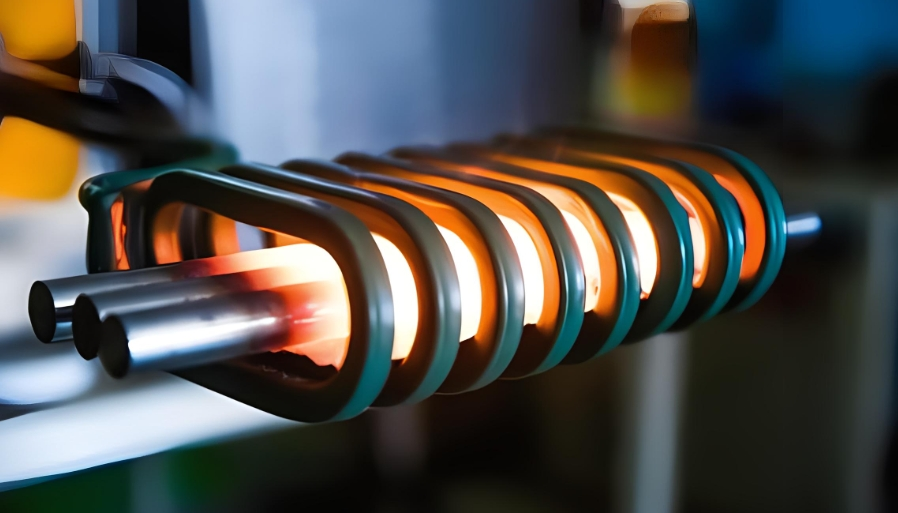
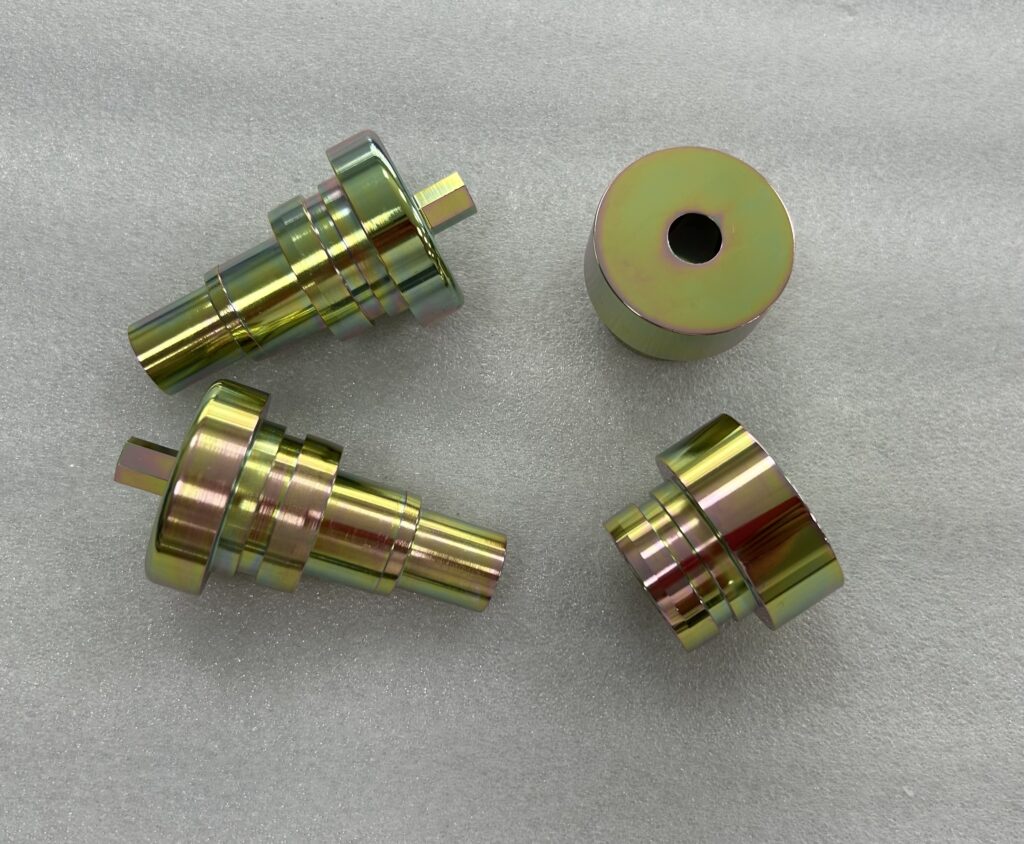
We provide electroplating support for CNC machined parts, sheet metal parts, stamped components, fasteners, housings, brackets and precision metal assemblies.
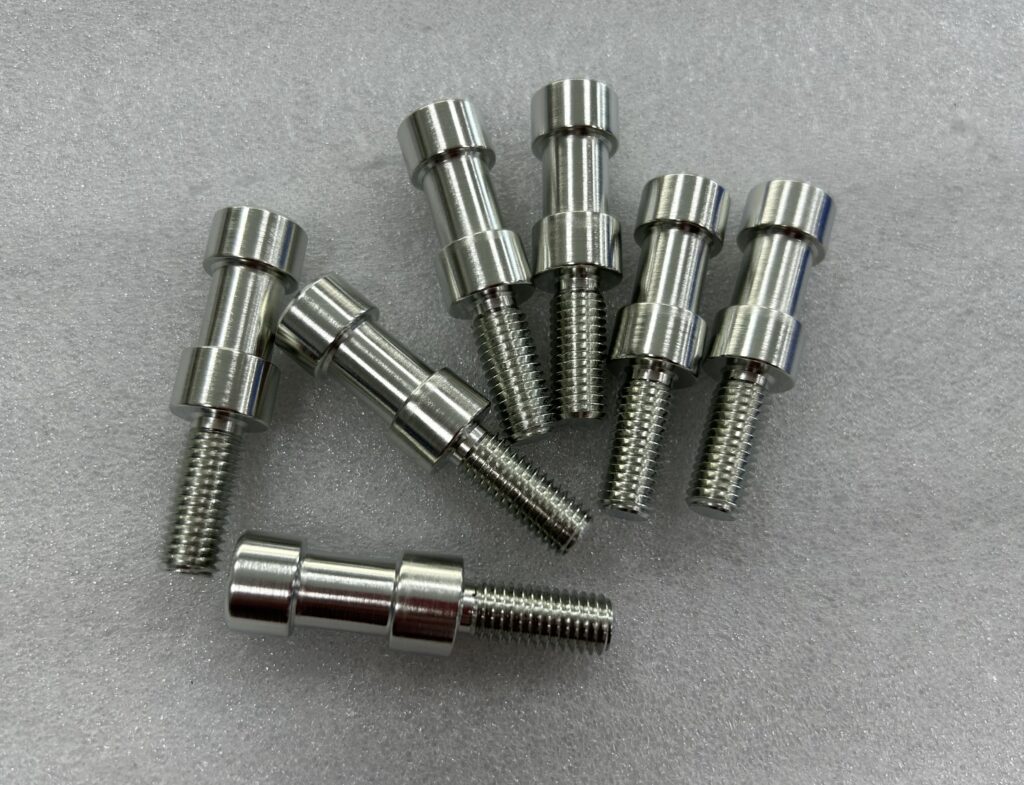
We support nickel plating, zinc plating, chrome plating, copper plating, tin plating and other surface finishing solutions based on your part function and application.
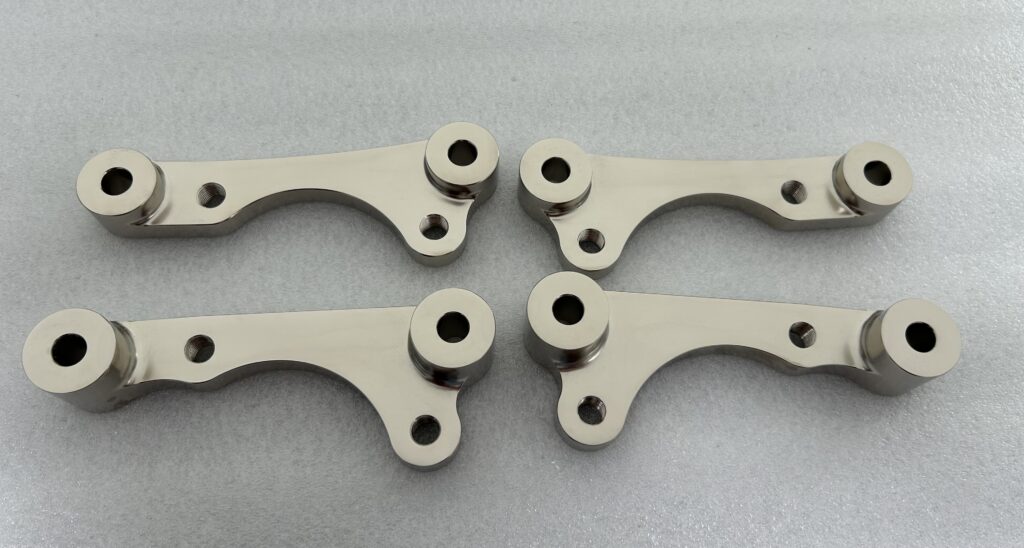
Electroplating adds coating thickness to the part surface. Our engineering team reviews holes, threads, mating surfaces and precision areas before production.
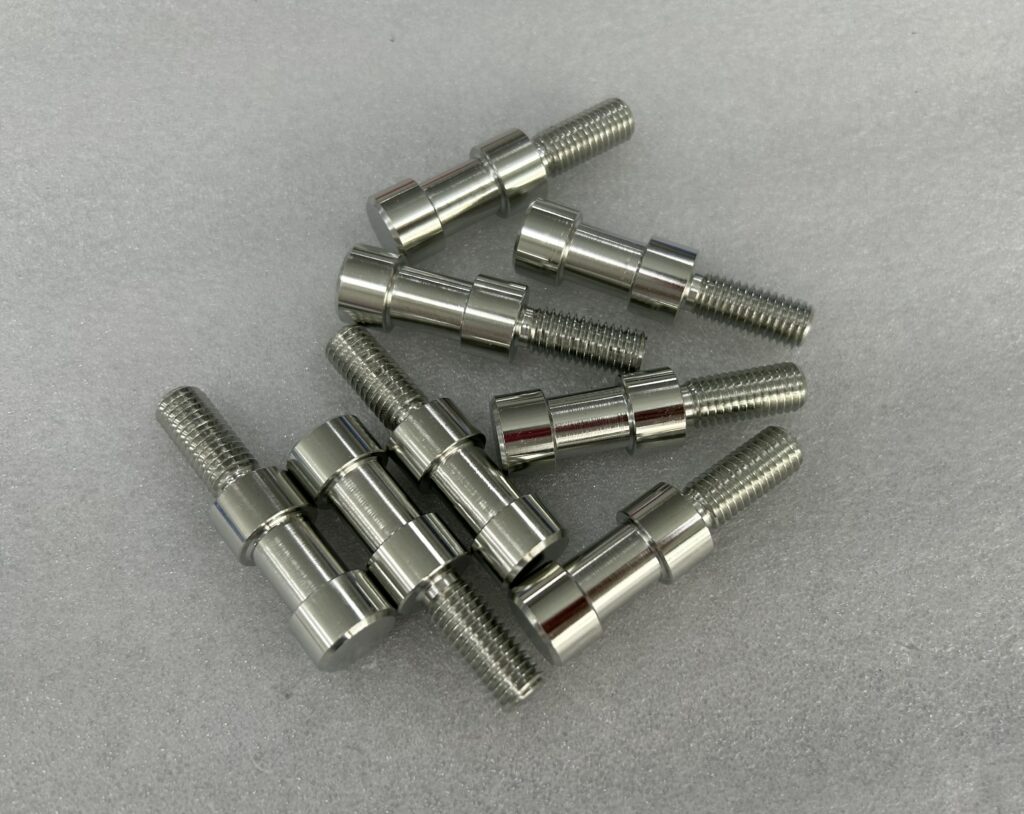
From CNC machining, deburring and polishing to electroplating and inspection, we help reduce supplier coordination and improve production efficiency.
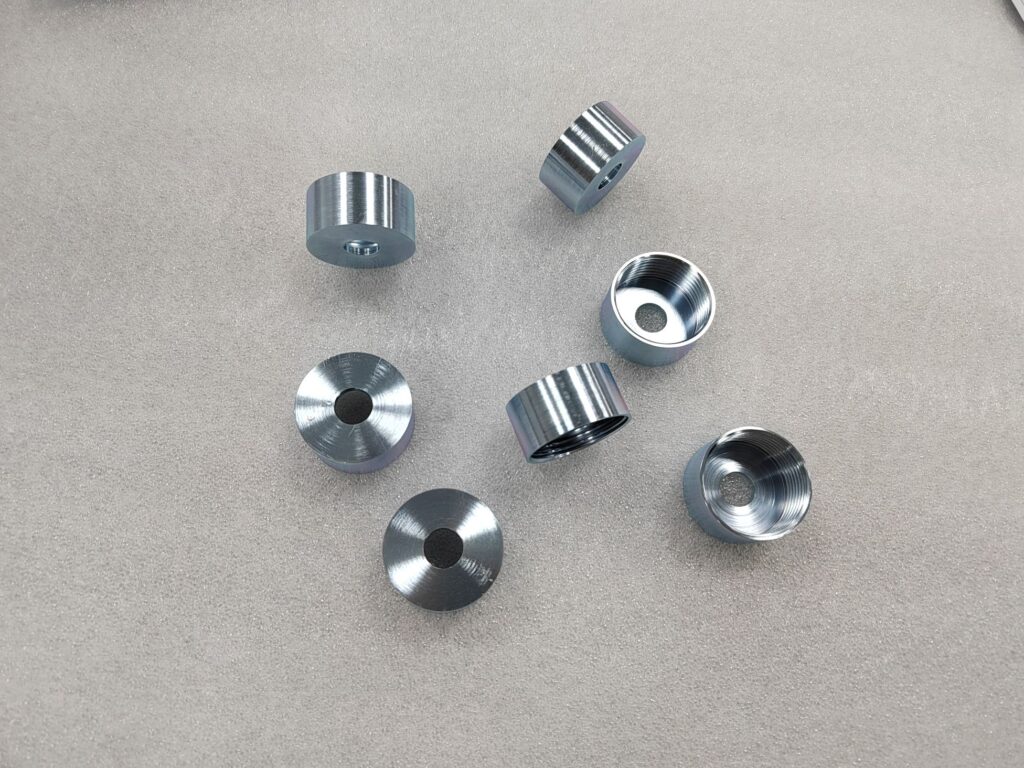
We focus on coating uniformity, adhesion, surface defects, color consistency, corrosion resistance and handling protection for plated metal parts.
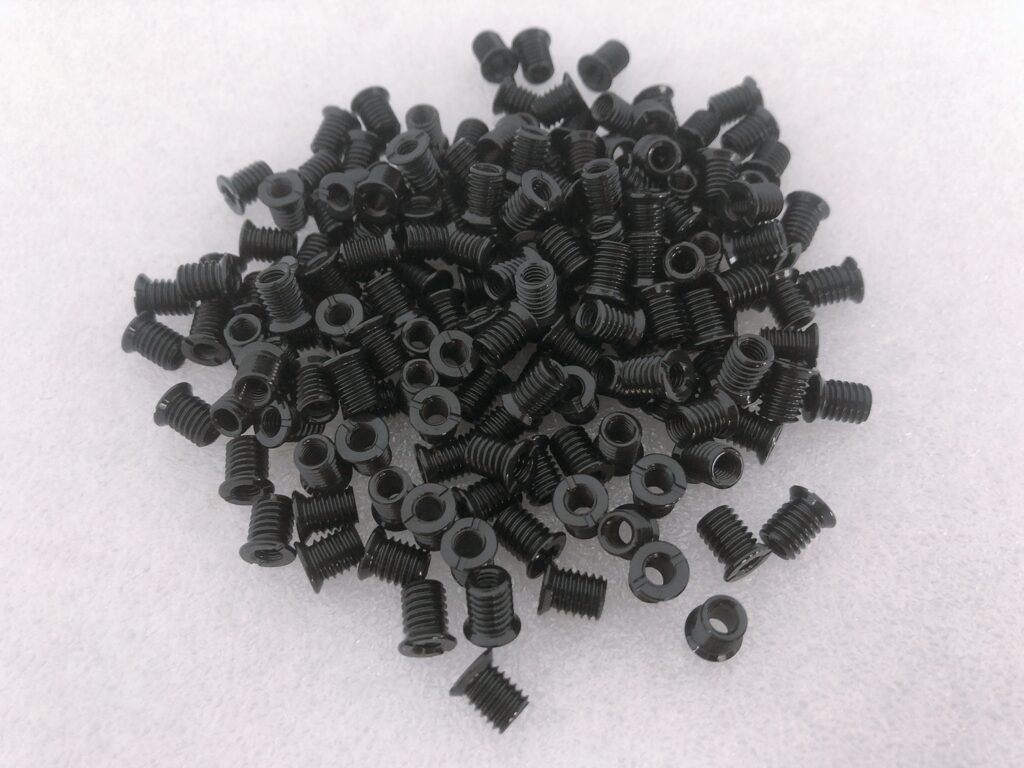
Our team provides practical suggestions for material selection, plating type, coating thickness, masking strategy and assembly requirements.
The following parameters apply to common electroplating projects for custom metal parts. Final plating type, coating thickness and surface appearance should be confirmed according to material, part geometry, tolerance requirements and end-use environment.
| Item | Details |
|---|---|
| Suitable Materials | Steel, stainless steel, brass, copper, aluminum, zinc alloy and other metals |
| Plating Types | Nickel plating, zinc plating, chrome plating, copper plating, tin plating |
| Common Finishes | Bright, matte, semi-bright, decorative, functional and corrosion-resistant finishes |
| Typical Thickness | Custom coating thickness available according to drawing and application requirements |
| Pre-Treatment Options | Cleaning, degreasing, polishing, sandblasting, brushing and activation |
| Main Benefits | Corrosion resistance, wear resistance, conductivity, solderability and improved appearance |
| Key Considerations | Coating thickness, adhesion, masking, threads, holes and mating surfaces |
| Supported Parts | CNC machined parts, sheet metal parts, stamped parts, fasteners, connectors and housings |
| Industries | Automotive, electronics, medical devices, robotics, aerospace and industrial equipment |
| File Formats | STEP, STP, IGES, X_T, SLDPRT, PDF, DWG |
We provide different electroplating solutions based on material type, part function, surface performance, appearance requirements and production volume. Choosing the correct plating process matters because one wrong finish can turn a beautiful machined part into an expensive paperweight. Humanity has built rockets, yet still forgets to mark threaded holes on drawings. Tragic, but preventable.
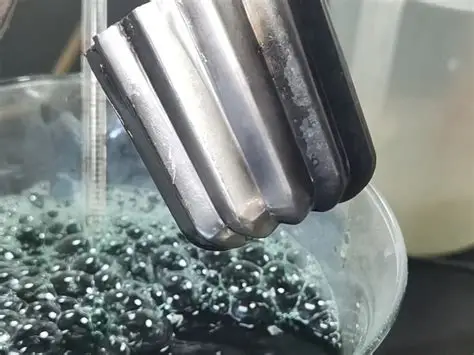
Nickel plating provides good corrosion resistance, wear resistance and a clean metallic appearance. It is commonly used for mechanical parts, housings, connectors, shafts and precision components.
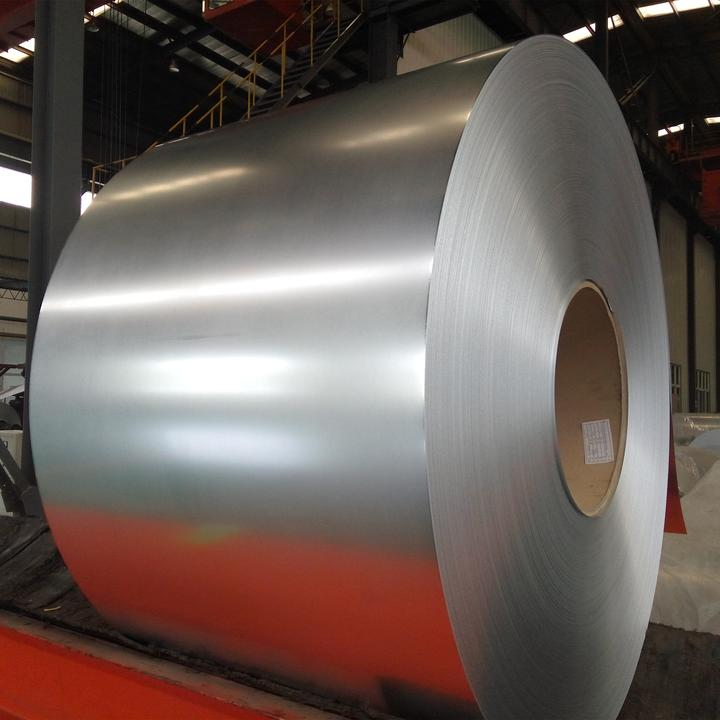
Zinc plating is widely used for steel parts that require corrosion protection. It is suitable for brackets, fasteners, hardware parts, sheet metal components and industrial equipment parts.
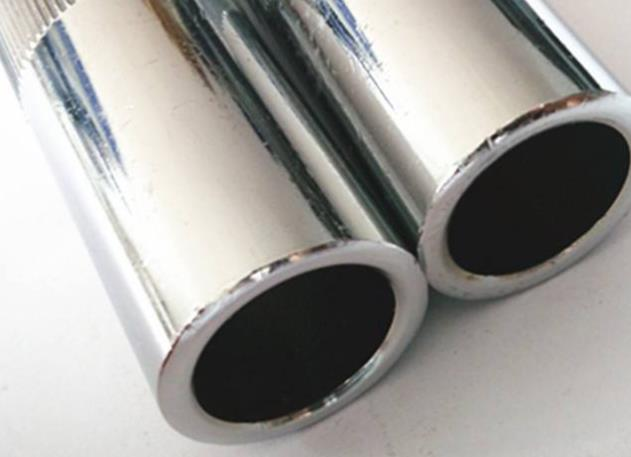
Chrome plating provides a bright appearance, surface hardness and wear resistance. It is often used for decorative parts, mechanical components and products requiring a durable metallic finish.
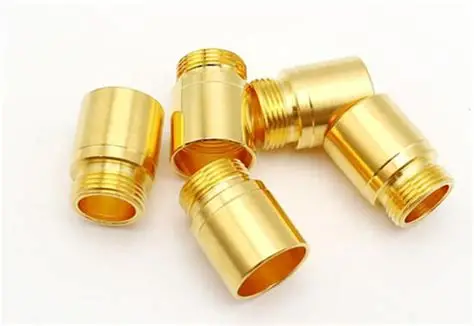
Copper plating is often used as an intermediate layer or functional coating to improve conductivity, adhesion and surface preparation for further finishing.
Our electroplating process follows a controlled workflow from drawing review to machining, surface preparation, cleaning, plating, post-treatment, inspection and packaging for custom metal parts.
We review material grade, plating type, coating thickness, appearance requirements, masking areas, threads, holes, tolerances and assembly conditions.
The metal parts are machined, deburred and cleaned. Surface preparation may include polishing, brushing, sandblasting or degreasing depending on the required finish.
Parts are cleaned and chemically activated to remove oil, oxidation and contamination before the plating process.
A controlled electrochemical process deposits the selected metal coating onto the part surface according to the required plating type and thickness.
Depending on the plating type, parts may go through rinsing, passivation, sealing, drying or other post-treatment processes.
We inspect coating appearance, surface defects, adhesion, critical dimensions, threaded areas and batch consistency before protective packaging.
In addition to electroplating, we also provide CNC machining and surface preparation support for custom metal parts. This helps customers manage quality from raw material to finished surface, instead of juggling five suppliers and pretending that chaos is a workflow.
We support precision CNC milling, CNC turning and complex machining for custom metal components.
We provide sheet metal cutting, bending and forming support for plated brackets, covers, panels and enclosures.
Stamping support is available for high-volume metal parts that require plating after forming.
Polishing helps improve surface smoothness and appearance before decorative or functional electroplating.
Surface texture can be adjusted before plating to meet visual, friction or functional requirements.
We evaluate how electroplating may affect coating thickness, tolerances, masking, assembly and final part performance.
Common questions about electroplating, plated metal parts and surface finishing requirements.
Electroplating is used to improve corrosion resistance, wear resistance, surface hardness, conductivity, solderability and appearance. It is commonly applied to CNC machined parts, sheet metal components, stamped parts, fasteners, connectors and industrial hardware.
Common materials include steel, stainless steel, brass, copper, aluminum, zinc alloy and other metal materials. The exact process depends on the base material and plating requirement.
We support nickel plating, zinc plating, chrome plating, copper plating, tin plating and other custom plating options based on part function, appearance and working environment.
Yes. Electroplating adds a metal layer to the part surface, so coating thickness may affect holes, threads, slots, mating surfaces and tight-tolerance areas. Critical dimensions should be clearly marked on the drawing.
Yes, aluminum parts can be electroplated, but they usually require special pre-treatment because aluminum naturally forms an oxide layer. The plating process should be confirmed according to the aluminum grade and final application.
Nickel plating is often used for wear resistance, corrosion resistance and decorative appearance. Zinc plating is commonly used for corrosion protection on steel parts, especially fasteners, brackets and industrial hardware.
Yes. Copper plating, tin plating and nickel plating are often used for conductive parts, terminals, connectors and electrical components that require conductivity, solderability or contact performance.
Please provide 3D CAD files, 2D drawings, material grade, quantity, plating type, coating thickness requirement, surface appearance requirement, critical dimensions and any masking areas.
Yes. We can support CNC machining, sheet metal fabrication, stamping, deburring, polishing, cleaning, electroplating and inspection as an integrated manufacturing solution.
Yes. We support prototype, low-volume and production electroplated metal parts. For appearance-critical or performance-critical parts, sample confirmation is recommended before batch production.

Upload your CAD files today. Our engineering team will review your material, part structure, plating type, coating thickness, surface finish requirements and critical dimensions, then provide DFM feedback and a fast quotation.