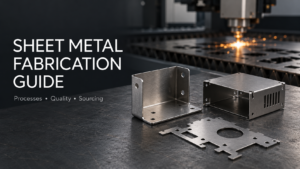
Sheet Metal Fabrication Guide: Processes, Automation, and Smarter Global Sourcing
Buying sheet metal parts looks straightforward until a shipment reaches assembly. A bracket can match its overall dimensions yet have holes that no longer align

Buying sheet metal parts looks straightforward until a shipment reaches assembly. A bracket can match its overall dimensions yet have holes that no longer align
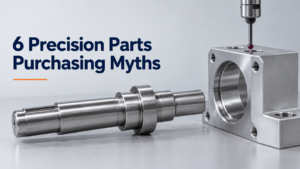
A shipment arrives with a dimensional report, an ISO 9001 certificate, and confirmation that every part was inspected. Purchasing releases the batch. Assembly then discovers
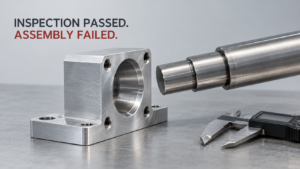
A shipment arrives with an approved dimensional report. Incoming inspection finds no obvious problem. Then production starts, and the parts bind, bolt holes fail to
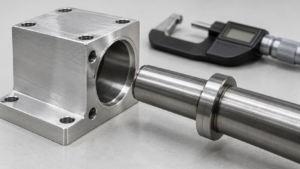
A supplier approves the first article. The shipment passes sampling inspection. The report says critical dimensions received 100% inspection. Then the parts reach assembly, and
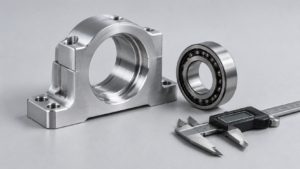
A CNC inspection report records a result under specific conditions. It does not automatically prove that the same component will fit after anodizing, remain flat
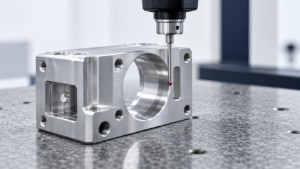
A supplier releases a batch of CNC parts with passing inspection reports. The buyer checks the same parts and rejects them. Both teams have calibrated
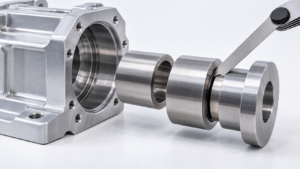
A shipment arrives with inspection reports showing every checked dimension within tolerance. During assembly, a shaft binds, a cover will not seat, or an internal
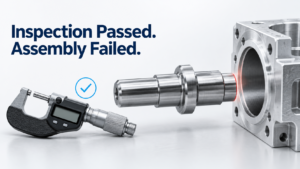
A shipment arrives with an inspection report. The recorded dimensions meet the drawing. Purchasing releases the parts, production starts assembly, and the problems appear: a