
“High-Precision Machining” Is the Most Overused Phrase in Hardware Sourcing — Here’s How to Actually Verify It
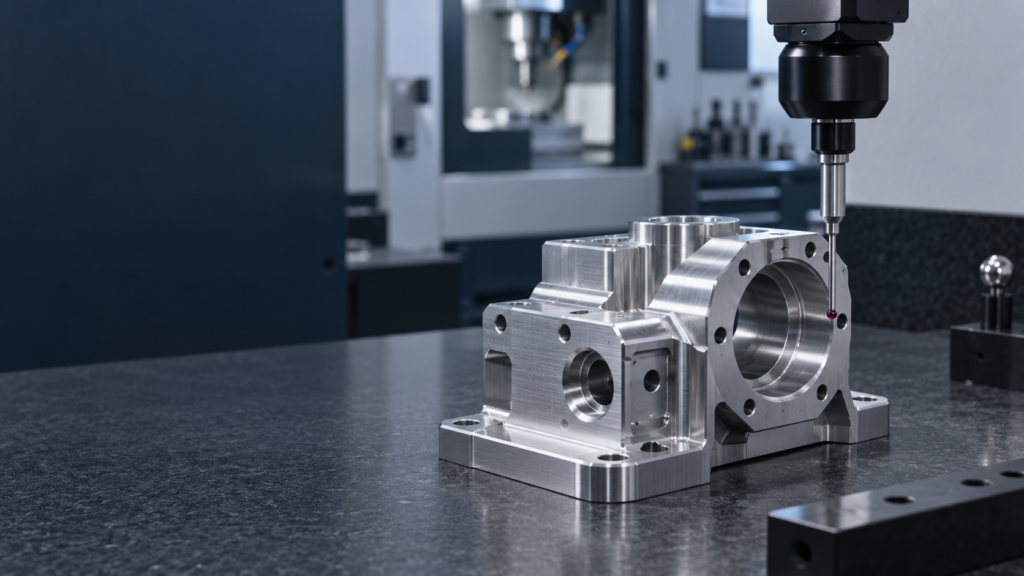
Every RFQ response says the same thing: “We do high-precision CNC machining.” Every supplier deck has a photo of a five-axis machine and a CMM. None of that tells you whether the parts you need — at your tolerance, in your material, at your volume — will actually come off the line consistent and correct. […]
Precision Machining Sourcing: Why Country Isn’t the Risk — Your Evidence Gap Is

If you buy precision-machined parts internationally, you’ve probably had this conversation with yourself: “Should I be sourcing from China, Southeast Asia, Europe, or North America?” Wrong question. The real question is whether your quote actually contains the process controls needed to hit the print — and most of the time, on tight-tolerance work, it doesn’t. […]
How to Actually Verify a Supplier’s Dimensional Inspection Report (Instead of Just Filing It)

Most hardware buyers have a folder full of CMM reports, FAI packages, and calibration certificates they’ve never really read. They check that a PDF exists, confirm the header says “PASS,” and move on. That’s not quality control — it’s paperwork collection. If you buy machined, stamped, or cast parts at any volume, the gap between […]
Why Your Plated, Anodized, or Heat-Treated Parts Keep Missing Print — And How to Fix Your Spec Before They’re Cut
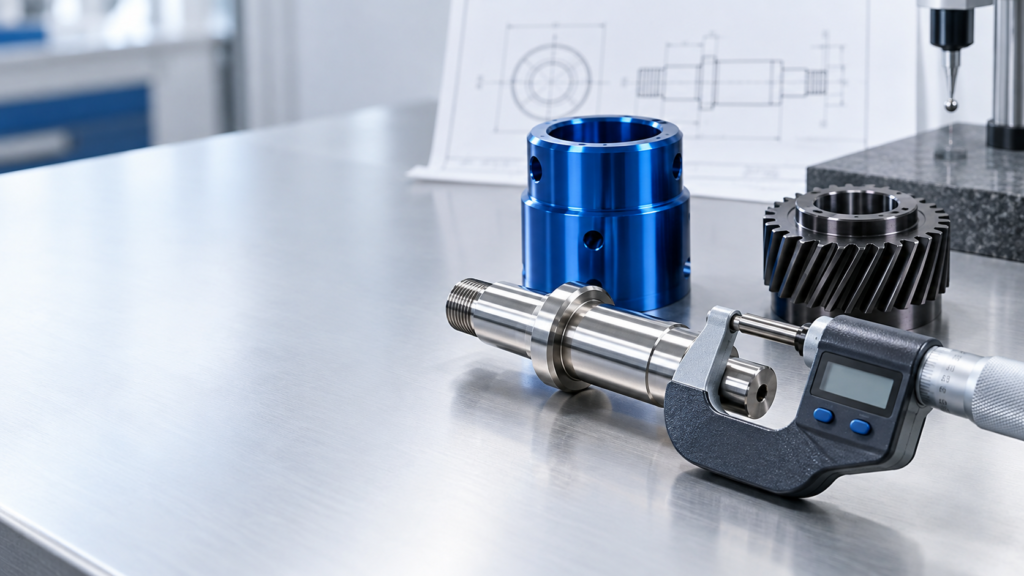
If you buy machined hardware for a living, you’ve had this conversation: the part measures perfect at goods-in, then fails final assembly after plating, anodizing, or heat treatment. Nobody lied to you. The drawing just didn’t say what “final dimension” actually meant. This article breaks down the math, the process-by-process numbers, and the drawing language […]
How to Specify Tolerances for Holes, Shafts, Threads, Bearing Seats, Press Fits, and Seals — A Buyer’s Guide
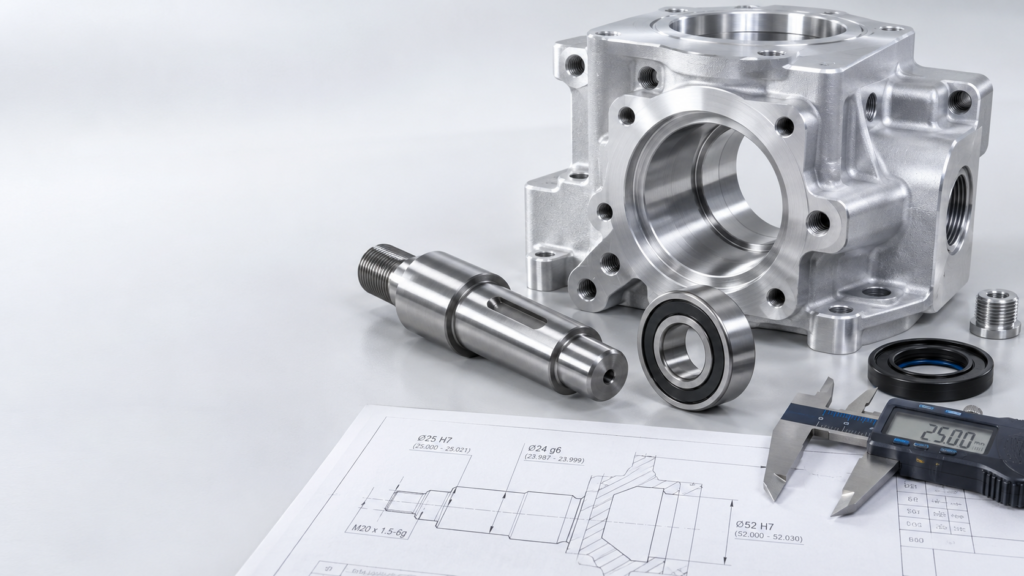
If your RFQ says “Ø25 mm” and nothing else, you haven’t specified a part. You’ve specified a target that a machine shop will hit somewhere between 24.9 and 25.1 mm, and you won’t know which end you got until the parts show up and either don’t fit or fall out. For any feature that mates, […]
Why CNC Parts Pass First Article Inspection but Still Fail in Batch Production
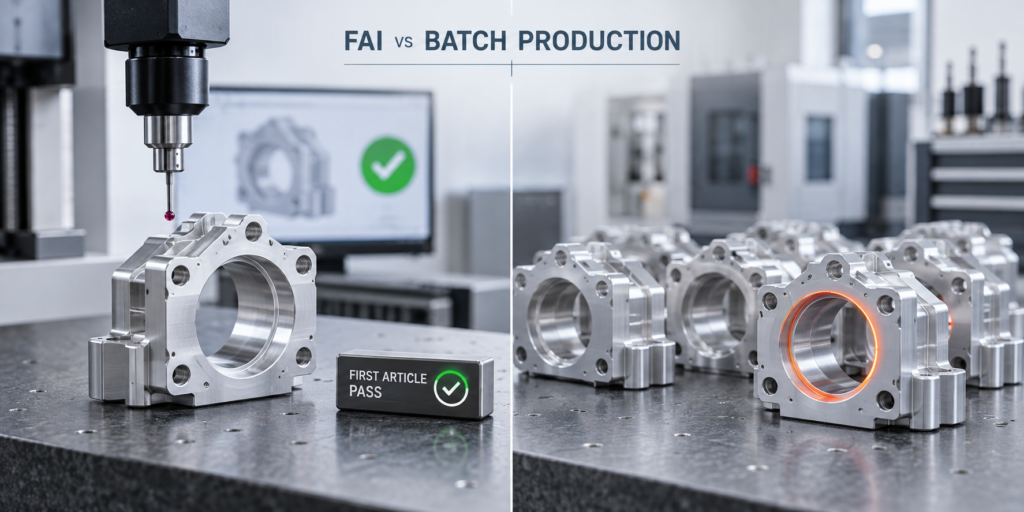
If you buy CNC parts internationally, you’ve seen this pattern: the First Article Inspection (FAI) report comes back clean, you release the PO for 5,000 units, and three weeks later 200 parts from batch four are out of tolerance on a critical bore. Nobody changed the drawing. Nobody changed the material spec. So what happened? […]
Why a Clean Ra Number on Your Inspection Report Doesn’t Mean the Part Is Good
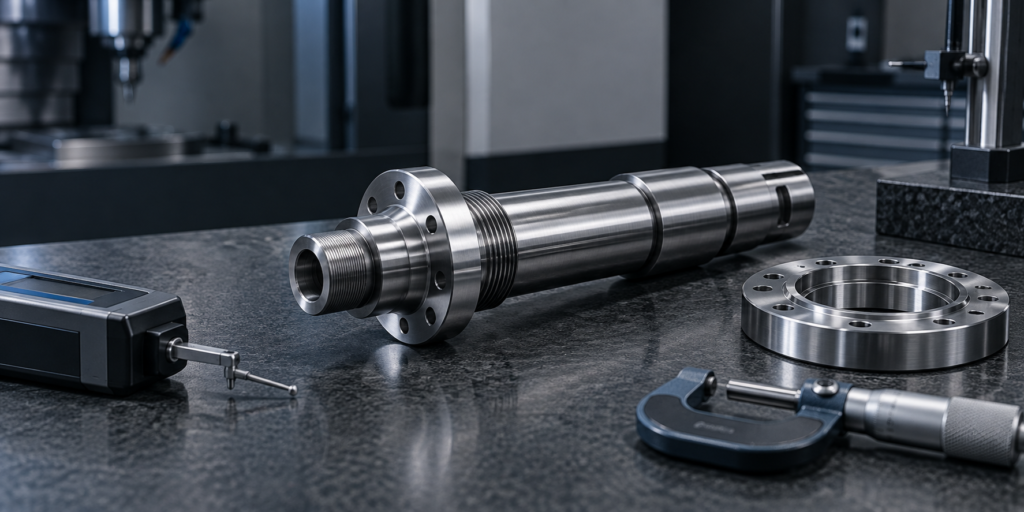
If you buy CNC machined hardware for a living, you’ve seen this scenario: the supplier sends back an inspection report with a beautiful Ra 0.4 µm reading, and the part still doesn’t fit, doesn’t seal, or doesn’t pass your incoming QC. This isn’t a fluke or a bad supplier. It’s a structural misunderstanding baked into […]
ISO 2768 vs. ASME Y14.5: What Every Hardware Buyer Needs to Know Before the Next RFQ
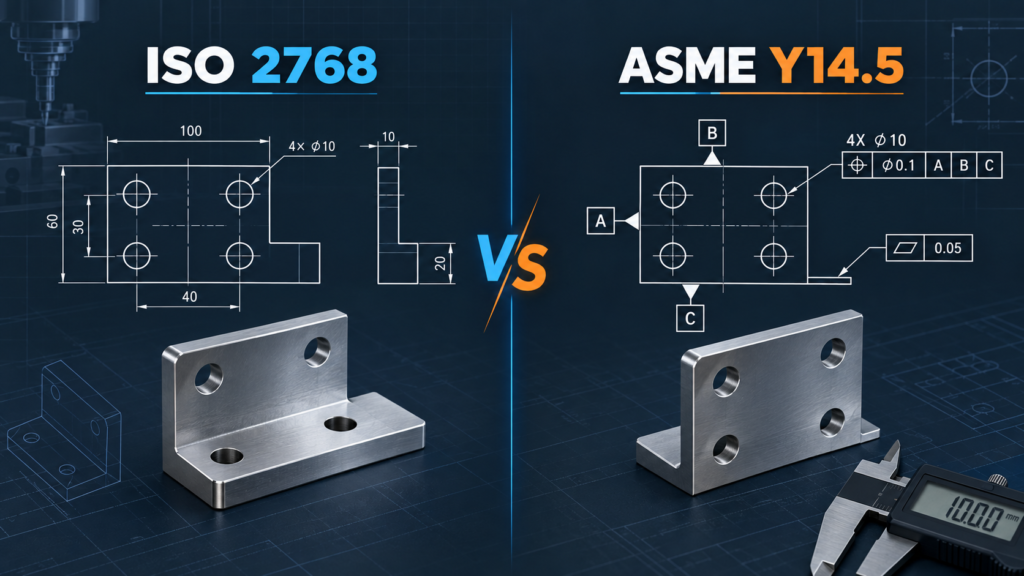
If you’ve ever gotten three quotes for the same CNC bracket and three completely different inspection reports back, this article is for you. The gap usually isn’t bad machining — it’s a tolerance standard that never got specified clearly enough to mean the same thing on three continents. What ISO 2768 and ASME Y14.5 Actually […]
The ±0.01mm Trap: Why Global Hardware Buyers Over-Tolerance Their Drawings — And What It Actually Costs You

If you buy CNC parts from suppliers in China, Vietnam, Eastern Europe, or Mexico, you’ve seen this drawing before: a part with 40 dimensions, and half of them carry ±0.01mm. Nobody asked why. Somebody just copied it from an old drawing, or an engineer defaulted to “tight = safe.” That single habit is quietly inflating […]
The ±0.001mm Trap: What Precision Machining Suppliers Really Mean When They Quote Micron Tolerances
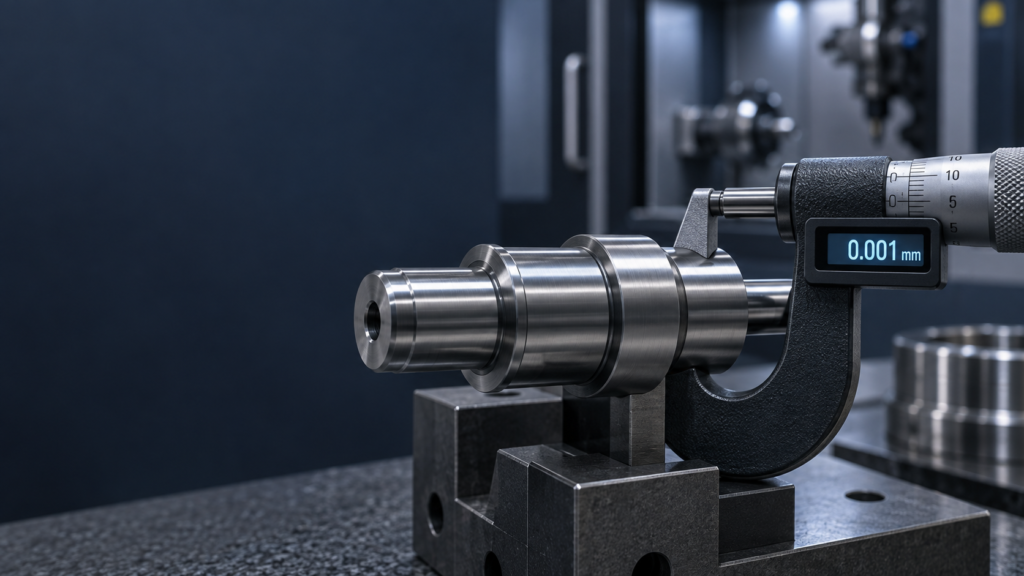
If you’ve sourced precision hardware components for more than a year, you’ve seen this line in a supplier’s capability deck: “CNC machining accuracy ±0.001mm.” It sounds impressive. It’s also, in the vast majority of cases, a marketing number rather than an engineering commitment. This article breaks down what real tolerance capability looks like across the […]